
Plants
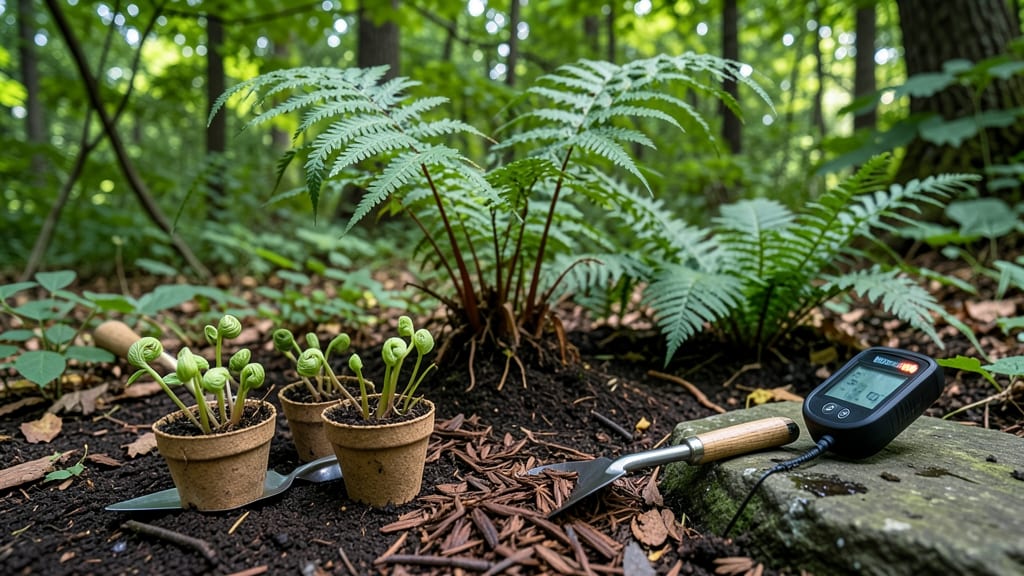
Timing your 🌿 fern planting in Michigan can make or break your garden’s lush, green success—because those delicate fronds need just the right conditions to take root.
If you plant too early, frost will nip them before they even get started, while waiting too late risks missing the ideal moisture window when soil is cool but weeds haven’t taken over.
For Michigan gardeners in zones 5a-6b, the best planting window is narrow but critical: aim for April through early May when soil temperatures hit 50°F and last frost has passed.
This gives your ferns a head start in Michigan’s short growing season, ensuring they establish strong roots before summer heat arrives.
But what if you miss spring? Don’t worry—early fall (around September) is your backup plan. The key is avoiding Michigan’s unpredictable swings between soggy springs and dry summers.
I’ll show you exactly how to time it right, whether you’re planting from divisions or spores, so your ferns thrive without competition.
Let’s dive into the most important steps to get your ferns off to a vibrant start, tailored to Michigan’s climate quirks.
You’ll learn when to plant, how to prep the soil, and which fern varieties handle our region’s shade and moisture best—so you can enjoy that jungle-like foliage all season long.
Michigan’s best planting months for ferns by climate zone
Michigan’s diverse climate—from the Upper Peninsula’s cooler temperatures to the Southern region’s warmer springs—means fern planting times vary by USDA Zones 5a-6b. Whether you're in Detroit, Traverse City, or Marquette, timing your ferns right ensures they establish before summer heat or winter frost.
Let’s break down the ideal planting windows for each region to maximize your ferns’ lush, green potential.
Ferns thrive in moist, shaded spots, but Michigan’s last-frost dates (typically mid-April in the south to late May in the UP) dictate when to plant. The best months for ferns are April-May for spring planting and early September for fall.
However, soil temperature and moisture play just as big a role as calendar dates.
For Northern Michigan (UP and Northern Lower Peninsula), where Zone 4-5 conditions linger longer, aim to plant after May 15 to avoid late frosts.
Southern Michigan (Zone 6) gardeners can start as early as mid-April, but always check soil warmth—50°F+ is ideal for root growth. Fall planting works too, but stop by September 15 to give roots time to establish before winter.
| Region | USDA Zone | Last Frost Date | Best Planting Window | Soil Temp Goal |
|---|---|---|---|---|
| Northern Michigan (UP) | 4-5 | Late May | May 15–June 15 | 50°F+ |
| Northern Lower Peninsula | 5a | Early May | April 20–May 15 | 50°F+ |
| Southern Michigan | 6a-6b | Mid-April | April 1–May 10 | 45°F+ |
| All Regions (Fall) | 5a-6b | N/A | September 1–15 | 60°F+ |
🌱 Pro Tip: Test soil moisture before planting—ferns hate soggy roots but need consistent dampness.
If you’re planting ferns from divisions (the easiest method), do it in spring or early fall when roots are active but not stressed by heat. Spores take longer to germinate, so start them indoors in late winter (February) for a head start.
Michigan’s shorter growing season means faster germination is key to beating summer’s dry spells.
For container-grown ferns, you can plant slightly earlier than the table suggests—containers warm up faster. Just ensure your pots have drainage holes and use peat-based potting mix to retain moisture. In Michigan’s clay-heavy soils, amend with compost or peat moss to improve drainage and water retention.
One common mistake is planting ferns too early in cold soil, which stunts root growth. Use a soil thermometer to confirm 50°F+ at 4 inches deep before planting.
In Northern Michigan, this might mean waiting until late May—patience pays off with healthier, hardier plants that outlast weeds and frost.
Fall planting is a hidden gem for Michigan gardeners. By planting in early September, ferns establish roots before winter, giving them a 2-week head start in spring.
Just avoid planting after September 15, as new growth won’t harden off before frost. Mulch heavily with 3–4 inches of shredded leaves to insulate roots.
Regardless of when you plant, shade is non-negotiable for ferns. Michigan’s summer sun can scorch young fronds, so choose spots under trees, shrubs, or shade cloth. If your yard lacks natural shade, 30–50% shade cloth works wonders—just remove it by late August to prevent heat stress.
Remember, Michigan’s microclimates can shift planting windows by 2–3 weeks. Observe your local gardening neighbors
Michigan’s best planting months for ferns by climate zone
Michigan’s three distinct climate zones mean your fern planting timeline should shift depending on whether you’re in the Upper Peninsula, Northern Lower Peninsula, or Southern Michigan.
The last frost dates vary dramatically—from late May in the UP to mid-April in the south—so knowing your zone is critical for timing.
For Southern Michigan (zones 5b-6a), aim to plant ferns between mid-April and early May when soil temperatures consistently reach 50°F. This gives your ferns 3-4 months of growing season before summer heat arrives.
In contrast, Northern Michigan (zones 4b-5a) gardeners should wait until late May to avoid frost damage.
The Upper Peninsula (zone 4a) has the latest frost dates, often mid-June, so plant ferns in early June or opt for fall planting in September to avoid summer drought stress. Early fall planting also lets ferns establish roots before winter dormancy.
| Zone | Last Frost | Best Planting Window | Soil Temp | Key Consideration |
|---|---|---|---|---|
| Southern Michigan (5b-6a) | Mid-April | Mid-April to early May | 50°F+ | Weed competition peaks by June |
| Northern Michigan (4b-5a) | Late May | Late May to early June | 55°F+ | Shorter growing season |
| Upper Peninsula (4a) | Mid-June | Early June or September | 60°F+ | Fall planting preferred |
If you’re planting ferns from spores, start indoors in March (under grow lights) to transplant outdoors after last frost. For divisions or nursery plants, the window is wider—just ensure soil is workable and weeds are minimal. Mulch heavily after planting to retain moisture during Michigan’s dry summers.
Pro tip: Use a soil thermometer to confirm soil temps—ferns won’t thrive if planted in cold soil. Aim for 50°F+ for spring planting and 60°F+ for fall. This small step prevents root shock and sets your ferns up for lush, year-round greenery.
For gardeners in transition zones (like Grand Rapids or Traverse City), err on the side of late spring planting—around May 15—to balance frost risk and summer heat. Monitor local weather forecasts for extended cold snaps, and protect young fronds with frost cloth if needed.