
Plants
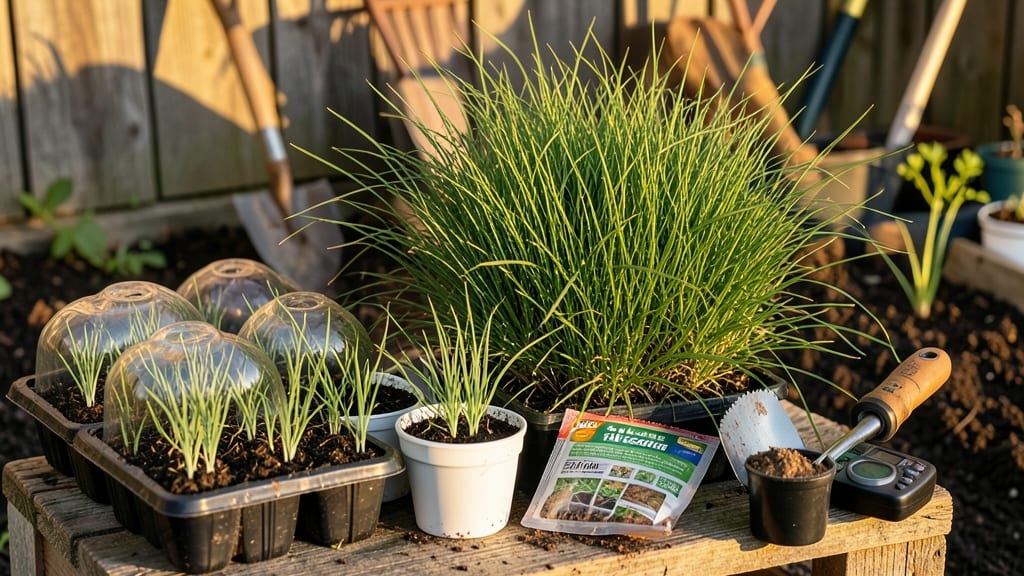
Planting fescue in South Carolina at the wrong time can mean the difference between a lush, deep-rooted lawn and one that struggles to take hold. The perfect window isn't just about months—it's about soil temperatures, humidity, and avoiding summer's brutal heat that can fry young seedlings before they even start.
If you've ever wondered why your fescue patch looks sad or patchy, timing might be the culprit. Fall planting (late August through October) gives this cool-season grass the ideal conditions to establish strong roots before winter dormancy kicks in.
We're talking 4-6 weeks before your first frost—that's when the magic happens in zones 7b-8a.
Here's what you need to know to get it right: the secret isn't just showing up with seed—it's about preparing your soil, choosing the right variety, and understanding how South Carolina's coastal vs. Piedmont climates create different micro-zones.
Let me walk you through the exact steps to time your planting for maximum success.
Whether you're a first-time gardener or a lawn veteran, these insights will help you avoid common mistakes that lead to thin, weak grass. Ready to transform your yard into a thick, resilient carpet of fescue? Let's dive into the timing secrets that make all the difference.
Optimal fall planting window for fescue in South Carolina (with exact months)
Fescue thrives in South Carolina’s USDA Zones 7b–8a, where the humid subtropical climate demands precise timing to avoid heat stress or winter dormancy risks. The ideal window is late summer through early fall—specifically September to early November—when soil temperatures hover between 60–75°F.
This range ensures strong root establishment before the first frost (typically mid-November).
Planting too early (before September 1st) exposes seeds to intense summer heat, causing shallow roots and poor germination. Conversely, waiting until after November 1st leaves insufficient time for roots to anchor before winter dormancy.
Aim for 4–6 weeks before frost—this gives fescue the 8–10 weeks it needs to develop a resilient root system.
Here’s how to adapt your timing based on South Carolina’s microclimates. Coastal areas (like Charleston) can plant slightly later—up to mid-November—thanks to milder winters. Inland regions (e.g., Greenville or Columbia) should start by early October to account for earlier frosts.
Use your local Cooperative Extension Service frost date data for precision.
Soil temperature is your best indicator. Use a soil thermometer to confirm readings between 60–75°F at a 4-inch depth. Early mornings in September often hit this sweet spot, while October evenings may dip below it—plant in the coolest part of the day to mitigate stress.
🌱 Fescue Planting Timeline for South Carolina
| Month | Soil Temp (°F) | Action | Notes |
|---|---|---|---|
| Early September | 65–75°F | Soil prep + seed | Best for inland SC |
| Mid-September | 60–70°F | Seed or sod | Ideal for coastal zones |
| Early October | 55–65°F | Overseed | Last chance for roots |
| Mid-November | Below 55°F | Avoid planting | Risk of winterkill |
🌡️ Pro Tip: Check soil temps daily—cool evenings in October can drop below 60°F, stalling germination.
For best results, pair your planting date with proper soil prep. Work in 2–3 inches of compost or aged manure to improve drainage and fertility. Fescue prefers slightly acidic soil (pH 5.5–6.5), so test your soil 2–3 weeks before planting.
If your pH is off, apply sulfur (for high pH) or lime (for low pH) according to test recommendations.
Watering is critical during the first 30 days post-planting. Keep the soil consistently moist (but not soggy) by watering early in the morning to reduce fungal risks. Aim for 1–1.5 inches of water per week, either from rainfall or irrigation.
Use a rain gauge to track accumulation—South Carolina’s humid climate can make overwatering as harmful as underwatering.
After establishment, fescue’s deep root system (up to 6 inches deep) makes it drought-tolerant, but first-year seedlings need protection. Mulch with straw or pine needles to retain moisture and suppress weeds. Avoid thick mulch layers (½ inch max) to prevent smothering young grass.
By nailing the September–early October window and following these steps, your fescue will develop a dense, resilient lawn that outpaces weeds and survives South Carolina’s hot summers and mild winters. The key? Timing + soil prep—skip either, and you’ll spend next year fixing weak spots.
🌿
Optimal fall planting window for fescue in South Carolina (with exact months)
Timing your fescue planting in South Carolina isn't just about picking a month—it's about reading the soil temperature and aligning with nature's rhythm. The ideal window spans from mid-September through early November, when daytime temperatures hover between 60–75°F.
This range gives seedlings the perfect balance: cool enough to avoid heat stress, but warm enough to spur root growth before winter dormancy sets in.
Think of this as a 6-week window leading up to your first frost (typically around November 15 in zones 7b-8a). Planting too early risks summer's heat drying out young grass, while waiting too late may leave roots struggling to establish before cold snaps.
The goal? A deep-rooted lawn that wakes up strong in spring.
Here's the breakdown you need: Coastal areas (like Charleston) can push planting slightly later into October due to milder winters, while Piedmont regions (e.g., Columbia) should aim for early September to avoid early frosts.
Even a 2-week difference can mean the difference between a thriving lawn and one that needs extra TLC.
| Zone | Best Planting Window | Soil Temp (°F) | Key Consideration |
|---|---|---|---|
| Coastal (7b) | Late September–October | 65–75°F | Milder winters allow later planting |
| Piedmont (8a) | Mid-August–September | 60–70°F | Cooler nights require earlier start |
| Upstate (7a) | Early September–October | 62–72°F | Balance heat and frost risk |
Pro tip: Use a soil thermometer to confirm temperatures before planting. Aim for 60°F+ at a 4-inch depth—this ensures seeds germinate consistently. If your soil runs cooler (common in shaded areas), consider a warm-season cover crop like ryegrass to protect the soil until fescue is ready to go in.
Don't overlook moisture levels during this window. South Carolina's fall can bring unpredictable rain—too much can drown seeds, while drought can stall germination. Water lightly daily (about ¼ inch) until seedlings reach 2–3 inches tall, then taper to 1 inch per week to encourage deep roots.
Remember, the first 30 days after planting are critical. Fescue needs time to develop a strong root system before winter dormancy. By planting in this window, you're giving your lawn the best shot at surviving South Carolina's winters and bursting back to life in spring with minimal effort. 🌱