
Plants
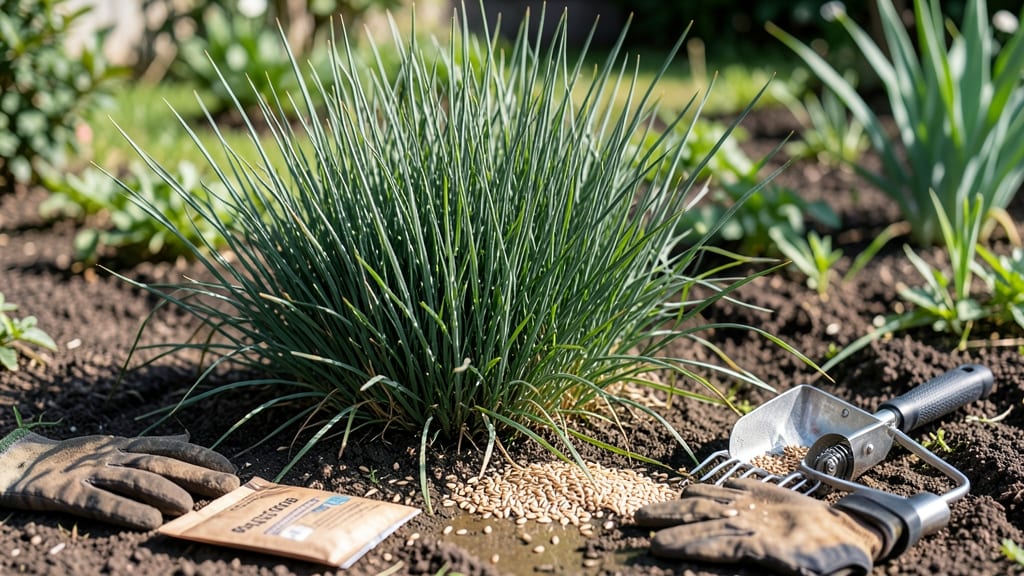
Planting fescue seed in Atlanta at the wrong time can leave you with patchy, weak grass that struggles to survive Georgia’s heat and humidity.
The key to a thick, resilient lawn isn’t just choosing the right seed—it’s planting it when your 🌱 Fescue Grass has the best chance to establish deep roots before winter sets in.
Atlanta’s USDA Zone 7b-8a climate means timing matters more than you might think. If you plant too early, your seeds could rot in the heat; too late, and your grass won’t have time to strengthen before the first frost.
The ideal window? August through October for fall planting, when soil temperatures are just right for germination.
But here’s the thing: even experienced gardeners get this wrong. Many assume spring is the best time, but Atlanta’s spring heat can stress young grass. I’ll show you exactly how to calculate your perfect planting window—so you can skip the guesswork and get a lawn that stays green year-round.
Ready to transform your yard? Let’s dive into the exact weeks before last frost that’ll give your fescue the head start it needs for a stronger, healthier lawn.
Atlanta’s exact fescue planting window: weeks before last frost for optimal germination
Atlanta’s USDA Zone 7b-8a climate creates a perfect window for fescue seed germination—when soil temperatures hover between 60°F and 75°F. This ideal range occurs in early fall (August-October) and late winter (February-March), aligning with Atlanta’s 215 frost-free days.
Planting outside these windows risks shallow roots or seed washout from heavy rains.
For deep root establishment, aim to plant 8-12 weeks before Atlanta’s first frost (typically November 15). This means seeding between mid-August and mid-October for fall plantings. Late winter plantings should start by February 15 to avoid spring heat stress.
Atlanta’s microclimates (urban heat islands vs. rural areas) can shift optimal timing by 1-2 weeks. Check NOAA’s Atlanta climate data for your specific neighborhood—urban areas may experience earlier frost due to heat retention.
Use this NOAA frost calendar as your guide:
- First frost date: November 15 (average)
- Last frost date: March 15 (average)
- Planting deadline: October 15 (fall) or February 15 (spring)
📅 Atlanta Fescue Planting Timeline
| Planting Window | Soil Temp (°F) | Rainfall Risk | Action Steps |
|---|---|---|---|
| Mid-August - Early Sept | 70-75°F | Low | Test soil pH (6.0-7.0), loosen soil |
| Late Sept - Oct 15 | 65-70°F | Moderate | Seed ¼" deep, water lightly daily |
| Feb 15 - March 1 | 55-60°F | Low | Rake existing thatch, overseed thin areas |
Atlanta’s humidity levels (50-70% in fall) help maintain consistent moisture for seed germination. However, August’s afternoon thunderstorms can wash out newly planted seeds—opt for early morning seeding to reduce erosion risks.
For urban Atlanta yards, consider planting 1-2 weeks earlier than rural areas due to heat island effect. Monitor your lawn’s soil temperature with a soil thermometer—ideal germination occurs when temps stay above 55°F for 7+ days.
If you miss the fall window, late winter (February-March) offers a secondary chance. Spring plantings should complete germination before April’s heat spikes, which can stress young seedlings.
Pro tip: Overseed existing lawns in fall for 70% thicker coverage—fescue thrives when planted over existing grass rather than bare soil, reducing weed competition.
Atlanta’s first frost date isn’t set in stone—some years it arrives 2 weeks early. Always have a backup plan like row covers for late-season plantings to protect tender new growth.
Fescue seed planting mistakes in Atlanta (and how to avoid them)
Even with the right fescue seed, Atlanta’s hot summers and humid winters can sabotage your lawn if you don’t time planting correctly. I’ve seen gardeners rush planting in late spring only to watch their seeds bake in the soil—or delay until November and end up with weak, frost-sensitive grass.
The biggest mistake? Ignoring soil temperature. Fescue seeds need soil between 60°F and 75°F to germinate. In Atlanta, that means August through early October is your sweet spot—any earlier, and the heat stresses the seeds; any later, and frost arrives before roots establish.
Callout Warning:
- Planting in June: Soil temps often exceed 80°F, causing seeds to dry out before sprouting.
- Waiting until October: Late October soil cools too quickly, delaying germination.
- Spring planting (March-April): Atlanta’s spring heat spikes can burn young grass.
🌱 Pro Tip: Use a soil thermometer ($10 at garden centers) to confirm temps before seeding.
Another common error is skipping soil prep. Atlanta’s clay-heavy soil compacts easily, smothering seeds. Before planting, loosen the top 2-3 inches of soil with a rake or aerator to improve seed-to-soil contact. I’ve seen fescue fail to germinate simply because seeds sat on top of unbroken soil.
Atlanta’s high humidity also plays a role. While moisture helps germination, too much can lead to fungal diseases like brown patch. After seeding, lightly water once daily (just enough to keep soil damp) until sprouts appear—then reduce to deep watering 2-3 times per week.
If you’re planting in late winter (February-March), watch for late frosts. Atlanta’s average last frost is March 15, but microclimates (like north-facing yards) can frost later. Plant 4-6 weeks before your area’s last frost date to give roots time to anchor.
Finally, don’t overlook seed depth. Fescue needs light to germinate—plant no deeper than ¼ inch. Press seeds lightly into soil with a lawn roller or your foot, then cover with a thin layer of compost or peat moss to retain moisture without blocking sunlight.