
Plants
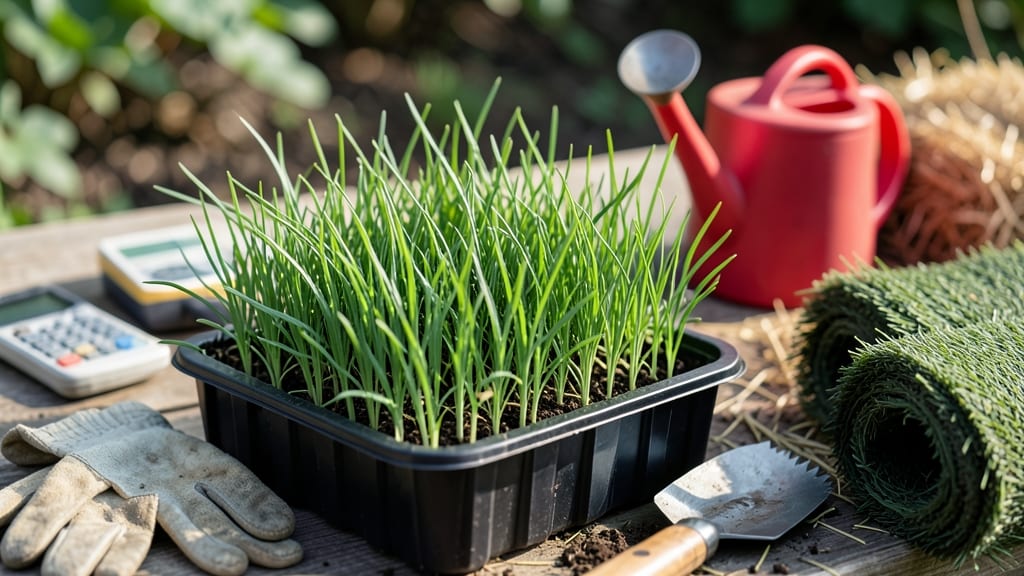
Timing your fescue grass planting in spring can make or break your lawn’s success—especially in USDA Zone 6, where cool-season grasses like fescue need just the right conditions to take root before summer heat sets in.
If you’ve ever stared at a seed packet wondering, “Is now the right time?”—you’re not alone. Planting too early risks frost damage, while waiting too long can leave your lawn struggling to establish before the heat arrives.
The key is getting it right, and for fescue, that means 4-6 weeks before your last frost date, typically in early to mid-spring.
In this guide, I’ll break down the exact weeks to plant based on your zone, plus soil prep tips to ensure your fescue grows thick, drought-resistant, and lush. Whether you’re overseeding an existing lawn or starting fresh, these steps will set you up for success—no guesswork required.
Let’s dive into the zone-specific windows and the simple prep work that makes all the difference for your 🌱 fescue lawn.
Best spring planting weeks for fescue by US hardiness zone
Fescue grass thrives in cool-season temperatures, so planting it too early or too late in spring can spell disaster. The ideal window is when soil temps hit 40-55°F—warm enough for germination but cool enough to avoid summer stress.
Most gardeners in the U.S. plant between March and early May, but your exact timing depends on your USDA hardiness zone.
In northern zones (3-5), you’ll want to plant 4-6 weeks before your last frost date—typically late March to mid-April. For southern zones (6-9), aim for early spring (February-March) to beat the heat. The key is giving fescue 6-8 weeks of growth before summer’s brutal heat sets in.
Here’s a quick reference for your zone—adjust based on your local frost dates and soil warmth:
Pro tip: Use a soil thermometer to confirm temps—fescue seeds won’t germinate well below 40°F. If your soil is too cold, wait 1-2 weeks for warmer conditions. Conversely, if temps climb above 75°F, your seeds may fail to sprout entirely.
For overseeding existing lawns, follow the same zone guidelines but add a light raking of the turf to expose soil. This helps seeds make direct contact with the earth, improving germination rates by up to 30%. Just avoid raking too aggressively—you don’t want to damage established roots.
If you’re in a transition zone (like Zone 7b), consider planting fine fescue varieties like ‘Creeping Red’ or ‘Chewing’s’—they tolerate heat slightly better than tall fescue. Pair this with morning watering to reduce stress during hot spells.
Remember: Fescue’s root system establishes slowly in summer heat. Planting too late (June or later) often leads to thin, weak grass that struggles to compete with weeds. Give your lawn the best shot by sticking to the early spring window.
🌱
Best spring planting weeks for fescue by US hardiness zone
Your USDA hardiness zone determines the perfect window to plant fescue grass in spring. Cool-season grasses like fescue need soil temperatures between 40°F and 75°F to germinate properly. Plant too early, and frost can kill young seedlings; too late, and summer heat stresses them before roots establish.
For Zone 3-7, aim for early to mid-April—about 4-6 weeks before your last frost date. In Zone 4-8, shift to late March to early April, while Zone 5-9 gardeners can plant as late as mid-April without risking summer stress.
Check your local last frost date (use the USDA Plant Hardiness Zone Map) and count backward. For example, if your last frost is May 1, plant by March 15 in Zone 6.
Adjust for early springs by planting closer to the last frost date—just ensure soil stays above 50°F.
If your spring arrives earlier than average, use a frost cloth to protect seedlings until soil warms. For late springs, prioritize soil temperature over calendar dates—wait until the ground stays above 50°F for 5+ days. This ensures fescue roots establish before summer dormancy begins.
Pro tip: Test soil moisture before planting. Dry soil delays germination, while soggy soil risks rot. Aim for moist but not waterlogged conditions. A simple soil moisture meter ($10 at garden centers) takes the guesswork out.
Once you’ve nailed the timing, the next step is soil prep—and trust me, skipping this can mean the difference between a thick, green lawn and a patchy mess. Stay tuned for my next section on prepping your seedbed like a pro.