
Trees
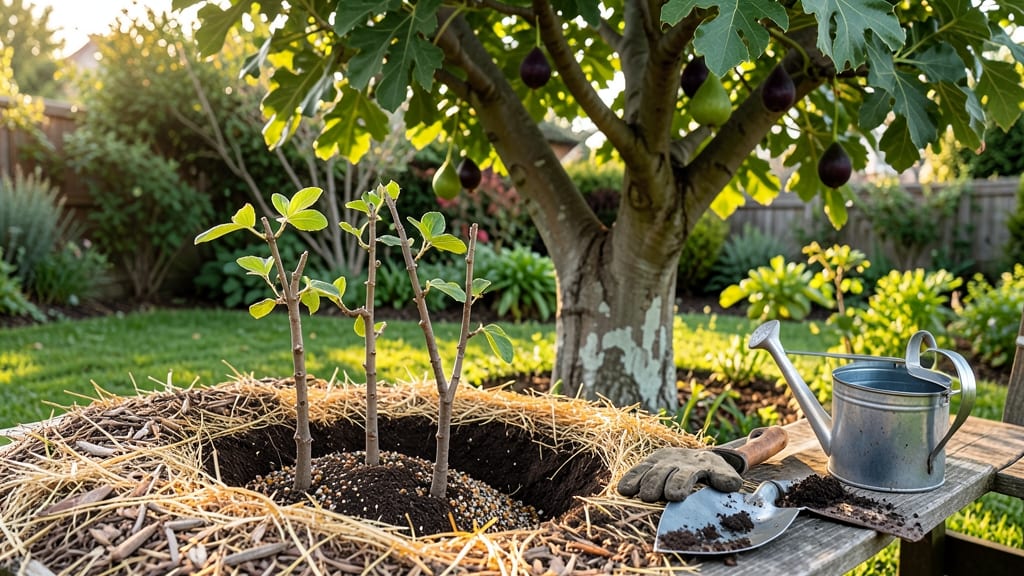
Fig trees thrive in North Carolina’s climate—but planting them at the wrong time can mean the difference between a bountiful harvest and frost-damaged branches.
The perfect window to plant your 🍈 fig tree arrives just after the last frost, typically in March or April, or during the mild shoulder seasons of September and October.
Why does timing matter so much? Fig trees are sensitive to cold snaps, and planting too early risks stunted growth, while waiting too long can leave roots struggling to establish before winter. In zones 7a-8b, understanding these seasonal cues is the key to giving your tree the best start.
Whether you're planting in-ground or in containers, we’ll break down the ideal months for your North Carolina region—plus pro tips to extend your planting season safely. Let’s get your fig tree off to the right start!
From soil prep to post-planting care, you’ll discover how to maximize success whether you’re in the coastal plains or the Piedmont. Ready to grow your own delicious figs? Let’s dive in!
NC frost-free deadlines by Zone: when to plant fig trees safely
North Carolina’s diverse climate zones (7a-8b) mean your fig tree planting window can vary by 100+ miles. In the coastal plains, last frosts arrive by mid-March, while mountain regions often wait until late April.
This timing difference is critical—planting too early risks frost damage to tender roots, while waiting too long delays root establishment before summer heat arrives.
For spring planting (the safest option), aim for 2-4 weeks after your average last frost date. This gives young roots time to acclimate before summer. In Zone 7a (western NC), this typically means mid-April, while Zone 8a (coastal areas) can start as early as late February.
Always check your local USDA frost map or ask your extension service for precise dates.
Fall planting is also viable in NC, but requires careful timing. Plant 6-8 weeks before your first frost (usually late September to early October) to allow roots to establish before dormancy.
Avoid planting in November—young trees won’t have enough time to harden off before winter chill sets in.
Container-grown fig trees offer flexibility for gardeners in transition zones. You can plant them 2-3 weeks earlier than in-ground trees because containers warm up faster in spring. However, move containers indoors or use frost cloth if nights dip below 30°F.
Soil temperature is just as important as air temperature. Figs thrive when soil is at least 60°F. Use a soil thermometer to confirm—cold soil slows root growth and increases transplant shock risk. In cooler zones, consider black plastic mulch or row covers to warm the soil 2-3 weeks earlier.
| NC Zone | Last Frost Date | Ideal Planting Window | Soil Temp Threshold | Risk Level |
|---|---|---|---|---|
| 7a (Mountains) | Mid-April | Late April - Early May | 60°F+ | High (late frosts) |
| 7b (Piedmont) | Early April | Mid-April - Late April | 60°F+ | Moderate |
| 8a (Coastal) | Late March | Late February - Early April | 55°F+ | Low (mild winters) |
| 8b (Southeast) | Early March | January - March | 55°F+ | Very Low |
Microclimates play a huge role in NC fig success. A south-facing slope can warm 5-10°F faster than a north-facing yard, creating a longer planting window. Urban areas with heat islands (like Raleigh or Charlotte) may even support earlier spring plantings than rural zones.
Observe your yard’s sun exposure patterns for 2-3 days before planting—figs need 6+ hours of direct sun daily.
Hardy fig varieties like Brown Turkey or Celeste can tolerate brief dips to 15°F, but their roots still need time to establish before winter. If you’re pushing your planting limits, choose container-grown trees (they root faster) or use root stimulator at planting to boost early growth.
Avoid planting tropical varieties (like Black Mission) in Zone 7a—they’ll need winter protection or container mobility.
One common mistake NC gardeners make is planting too late in spring. By June, summer heat arrives, and young fig trees struggle to establish roots in the dry, compacted soil common in NC.
If you miss the spring window, fall planting is your next best option, but prioritize well-draining soil and mulch heavily to insulate roots.
Pro tip: Mark your planting date on a calendar and set reminders for
Best fig tree varieties for NC: cold-hardiness and planting timing
North Carolina’s diverse climate means some fig varieties thrive while others struggle with winter chills. Cold-hardy varieties like Brown Turkey and Celeste are your best bets for in-ground planting, while Chicago Hardy can handle brief freezes.
Tropical types like Black Mission need container growing or winter protection to survive NC winters.
Your choice of variety directly impacts planting timing. Hardy figs can handle fall planting in September-October, while tropical varieties must wait until after last frost in April to avoid frost damage. Let’s break down the top picks for NC gardens and their ideal planting windows.
🌱
🌿 Hardy Varieties (Best for NC)
✅ Cold-hardy to 15°F; thrives in spring or fall planting
✅ Frost-resistant; fall planting preferred for root establishment
✅ Tolerates 20°F briefly; ideal for late spring planting
✅ Drought-tolerant; spring planting best for NC's heat
🌴 Tropical Varieties (Container-Grown Only)
⚠️ Needs container growing; plant after last frost (April)
⚠️ Spring-only planting; winter indoors required
For in-ground planting, hardy varieties like Brown Turkey or Celeste are ideal—they establish roots quickly in spring (March-April) or fall (September-October). These varieties can even handle light frosts once established, making them perfect for NC’s Zone 7a-8b climate.
If you’re growing tropical figs in containers, plant them after April 15th (when frost risk drops below 10%) and move them indoors before November 1st. Use black plastic pots to absorb heat and extend the growing season by 2-3 weeks.
Pro tip: Soil temperature matters more than air temperature. Wait until soil reaches 60°F+ before planting—use a soil thermometer to check. This ensures roots establish before summer heat arrives.
🌿