
Planting
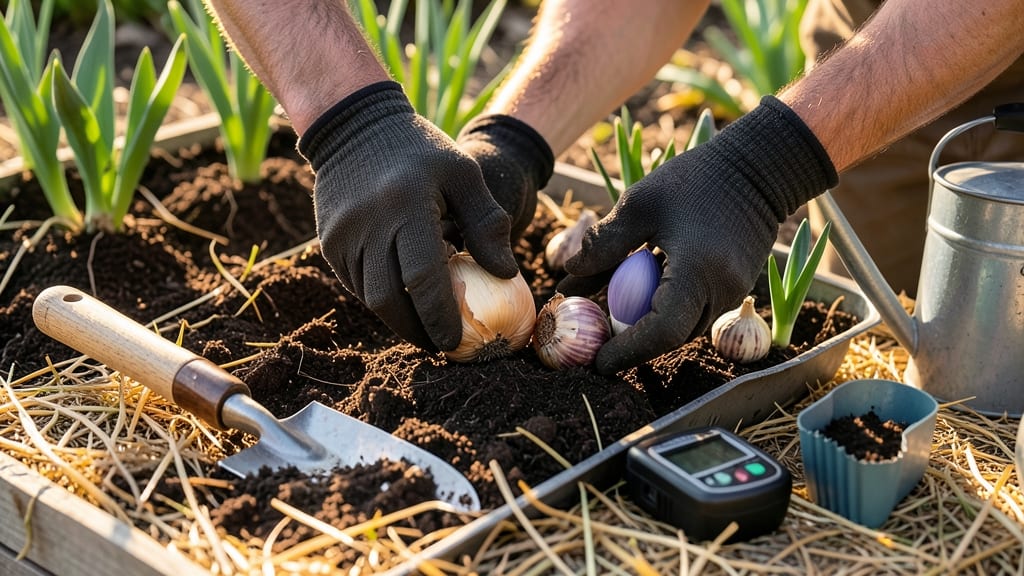
Planting flower bulbs 🌷 at the wrong time in fall could mean missing out on the vibrant spring display you’ve been dreaming of—but don’t worry, I’ve got the exact timing and chill-resistant varieties to make it foolproof.
Most gardeners know fall is the perfect window, but the 4-6 weeks before first frost rule isn’t just a suggestion—it’s the key to success. In USDA Zone 6a, that means aiming for late September to early October, depending on your local frost dates.
Why does timing matter so much? Bulbs need time to establish roots before the ground freezes, and the wrong variety could rot in cold soil. I’ll break down the best chill-resistant picks and how to adjust for early or late frosts.
Ready to transform your garden into a colorful spring masterpiece? Let’s dive into the exact deadlines, soil prep, and pro tips that’ll guarantee blooms you’ll love.
Fall planting deadlines by USDA hardiness zones: exact dates for success
Planting flower bulbs in the fall is a race against frost—you need to give roots time to establish before the ground freezes. The key is planting 4-6 weeks before your first frost date, but exact timing depends on your USDA zone.
In colder zones (like Zone 3-4), you’ll plant earlier than in milder zones (like Zone 9-10), where soil stays workable longer.
For example, if your first frost hits November 15, aim to plant by early October. But in Zone 7, where frost arrives mid-November, you’ve got until late October. Miss this window, and your bulbs may rot before winter dormancy kicks in.
Soil temperature is just as critical as air temperature. Bulbs need 40-50°F soil to start rooting—use a soil thermometer if you’re unsure. In Zone 5, this might mean planting by mid-September, while Zone 8 gardeners can wait until early November.
Here’s the golden rule: Cooler climates = earlier planting. The farther north you are, the sooner you must act. But don’t panic if your soil feels too warm—most bulbs tolerate brief delays as long as they’re planted before the ground hardens.
| USDA Zone | Ideal Planting Window | Example First Frost | Best Bulbs for Zone |
|---|---|---|---|
| Zones 3-4 | Mid-August to mid-September | October 15 | Tulips, Daffodils, Alliums |
| Zones 5-6 | Late September to early October | November 1 | Hyacinths, Crocuses, Snowdrops |
| Zones 7-8 | October to mid-November | November 15 | Late-Blooming Tulips, Fritillaries |
| Zones 9-10 | November to December | January 1 | Paperwhites, Rain Lilies |
Regional quirks matter too. In Pacific Northwest zones (like Zone 7b), wet soil can delay planting—wait until the ground drains after heavy rains. Meanwhile, Midwest gardeners in Zone 5 often face early frosts, so September planting is safest. Check your local cooperative extension service for hyper-local advice.
Pro tip: Mark your calendar based on your zone’s average first frost, but stay flexible. A sudden cold snap? Plant sooner. Unusually warm fall? You might squeeze in a late October planting in Zone 6. The goal is root establishment, not a rigid deadline.
If you’re unsure about your zone, use the USDA Plant Hardiness Zone Map to pinpoint your exact location. Even a half-zone difference (e.g., Zone 6a vs. 6b) can shift your planting window by 2-3 weeks.
For example, Zone 6a might need bulbs in by October 1, while Zone 6b could wait until October 15.
For container gardening, timing is slightly more forgiving. Potted bulbs can handle slightly later planting (up to 2 weeks after ground planting) because containers warm up faster in spring. Just ensure they’re in a protected spot before winter sets in.
Remember: Bulbs planted in fall need 6-8 weeks to root before winter. If you’re in Zone 4 and plant in late September, your roots will have time to toughen up before December’s deep freeze.
But if you’re in Zone 9 and plant in December, your bulbs might sprout too early and get fried by a January frost.
Start with daffodils and tulips—they’re the most forgiving for beginners. These chill-loving bulbs thrive when planted early, and their vibrant spring blooms reward your timing precision. Happy planting! 🌷
Fall planting deadlines by USDA hardiness zones: exact dates for success
Planting flower bulbs 🌷 in fall is all about beating the frost—but the exact timing depends on your USDA zone. In Zone 6a, like my garden, aim for late September to early October to give roots time to establish before the ground freezes.
The golden rule is 4-6 weeks before first frost, but this shifts 2-4 weeks earlier in colder zones (like Zone 3) and 2 weeks later in warmer zones (like Zone 8). Check your local last frost date—this is non-negotiable for bulb success.
| Zone | Ideal Planting Window | Key Varieties | Soil Temp Goal |
|---|---|---|---|
| 3-4 | Mid-August to early September | Daffodils, Snowdrops, Hyacinths | 50-60°F |
| 5-6 | Late September to mid-October | Tulips, Alliums, Crocuses | 55-65°F |
| 7-8 | October to early November | Dahlias, Canas, Rain Lilies | 60-70°F |
| 9-10 | November (early) | Paperwhites, Amaryllis | 65-75°F |
For Zone 6a gardeners, I recommend late September planting for daffodils and tulips—they need that 6-8 week root establishment before winter. If your soil stays warmer than 55°F, you can push it to mid-October, but don’t wait until November.
Watch for early frost warnings—if your area gets a surprise freeze, plant immediately even if it’s not your ideal window. Bulbs won’t establish roots in frozen soil, but they’ll survive if planted 2-3 weeks early with proper mulching.
Pro tip: Test your soil temperature with a thermometer—it should be between 50-60°F for most bulbs. If it’s still hotter, wait a few days or plant in shaded areas to cool the soil faster.
Once planted, mulch heavily (3-4 inches) with straw or leaves to insulate bulbs from freeze-thaw cycles—this is how I’ve kept my tulips thriving for years.