
Flowers
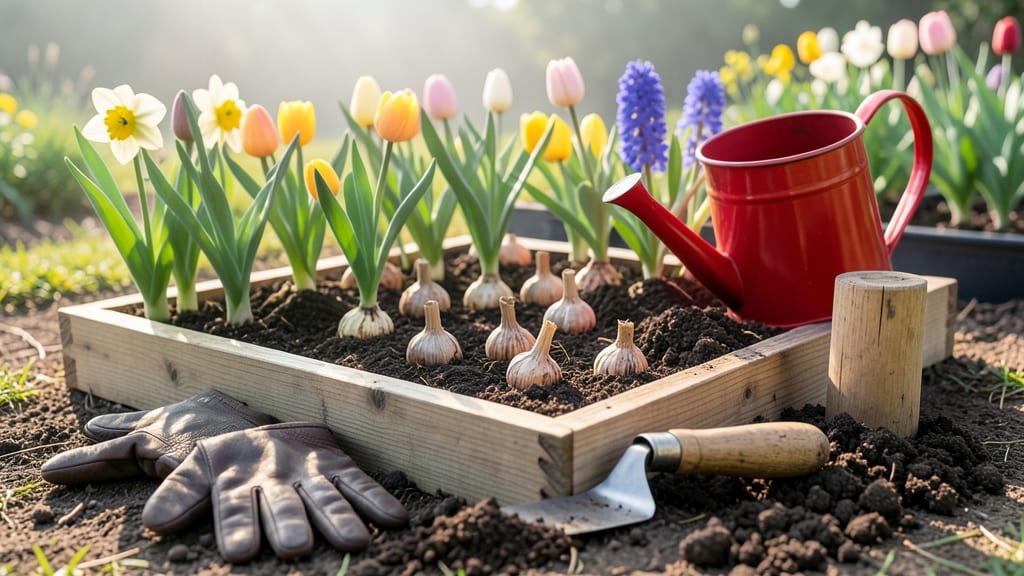
Timing your flower bulbs 🌷 planting in spring can make or break your garden's springtime show. Plant too early, and you risk soggy, rotting bulbs; too late, and you might miss the vibrant blooms entirely.
The secret to perfect results lies in understanding your local climate and the unique needs of each bulb type.
Most gardeners in USDA Zone 6a (and beyond) should aim to plant their flower bulbs in late winter, about 4-6 weeks before your last expected frost date. This window—typically January or February—gives bulbs enough time to root before the ground warms up.
But here's the catch: frost-sensitive varieties like tulips and hyacinths need even more precision.
Don't worry if you're unsure about your exact planting window. I'll walk you through how to adjust for your specific region, including soil temperature checks and microclimate factors. By the end, you'll know exactly when to dig in for perfect spring blooms that'll wow your neighbors.
Whether you're a beginner or a seasoned gardener, these tips will help you avoid common mistakes and ensure your flower bulbs thrive. Let's get started—your spring garden is waiting!
USDA Zone-by-Zone spring planting schedule for flower bulbs
Spring bulb planting isn’t a one-size-fits-all task—your USDA zone dictates the perfect window. In Zones 3-5, where winters are harsh, aim for late winter (March-April) once soil temperatures hit 40°F.
Gardeners in Zones 6-8 can plant as early as February, while Zones 9-10 may start in January due to milder climates. The rule? Plant 4-6 weeks before your last frost date—but never when soil is still frozen.
Most spring-blooming bulbs like tulips and daffodils need chill hours, so they thrive when planted in late winter. Hyacinths and crocuses, however, are hardier and can handle slightly earlier planting. Alliums and grape hyacinths are exceptions—they tolerate cooler soils and can even be planted in early spring if other bulbs rot.
Here’s the breakdown you need to avoid common mistakes:
| USDA Zone | Ideal Planting Window | Soil Temp Requirement | Best Bulbs for Zone |
|---|---|---|---|
| Zones 3-4 | Late March to early April | 40-45°F (4-7°C) | Tulips, Daffodils, Crocuses |
| Zones 5-6 | Mid-February to March | 45-50°F (7-10°C) | Hyacinths, Alliums, Snowdrops |
| Zones 7-8 | January to early February | 50-55°F (10-13°C) | Daffodils, Fritillaries, Muscari |
| Zones 9-10 | December to January | 55-60°F (13-16°C) | Rain Lilies, Cyclamen, Gladiolus |
Zone 7 gardeners often face confusion because their mild winters allow earlier planting, but late frosts can still damage tender shoots. If you’re in this zone, monitor soil temperature—plant only when it consistently stays above 50°F (10°C) for a week.
In Zone 4, where ground freezes longer, wait until you can dig 6 inches deep without hitting ice.
Pro tip: Use a soil thermometer to confirm readiness. If your soil is too cold, bulbs may rot before sprouting. For container planting, move pots to a sheltered spot if nighttime temps drop below 35°F (2°C). This protects roots while allowing daytime warmth to encourage growth.
Don’t overlook bulb size—larger bulbs (like 12+ cm tulips) need deeper planting (8 inches deep) than smaller varieties. Smaller bulbs (5 cm) can go 4-6 inches deep.
Always plant with the pointy end up—this ensures proper shoot development. Skipping this step can leave you with no blooms despite perfect timing.
For urban gardeners in heat islands (like Zone 7 cities), soil warms faster. Plant 2-3 weeks earlier than rural areas to match your local microclimate. Conversely, high-altitude zones (e.g., Zone 5 at 5,000 ft) may need a 2-week delay because cooler air delays soil warming.
Remember: Spring bulbs need 6-8 weeks of cool soil to root before shoots emerge. If you plant too late, you’ll miss the spring bloom entirely. Use this schedule as your guide, but always adjust for local conditions—your garden’s success depends on it!
How to adjust planting dates for your local microclimate
Your USDA zone gives you a great starting point, but local microclimates can shift planting dates by 2-4 weeks. High-altitude gardens, urban heat pockets, or coastal areas often experience different frost patterns than the general zone guidelines.
For example, a Zone 7 gardener in Denver might need to plant 2 weeks earlier than one in Atlanta due to cooler mountain air.
Start by checking your last frost date—not the average, but the historical late frost for your specific area. Websites like the National Oceanic and Atmospheric Administration (NOAA) or local cooperative extension offices provide this data.
Then, work backward: most spring-planted bulbs need 4-6 weeks of root development before active growth begins.
Soil temperature is another critical factor. Use a soil thermometer to monitor when the ground reaches 40-50°F. If your soil warms up faster than expected (common in urban areas with heat-absorbing concrete), you may need to plant earlier.
Conversely, cooler microclimates near lakes or forests might delay planting by 1-2 weeks.
🌱 Pro Tip: If you're unsure, conduct a simple "dig test" 2 weeks before your target planting date. Try digging 6 inches deep—if the soil is workable (not frozen or waterlogged), it's likely safe to plant.
Microclimate Warning: Don't Ignore These Red Flags
- Frost pockets: Low-lying areas or valleys can stay 5-10°F colder than surrounding zones. Plant 2 weeks later in these spots.
- Urban heat islands: Pavement and buildings trap heat, warming soil 2-3 weeks earlier than rural areas. Adjust planting dates earlier if your garden is in the city.
- Coastal winds: Ocean breezes delay frost but can also dry out soil faster. Mulch heavily and plant 1 week later if winds are strong.
- Shade variations: Bulbs planted under dense tree canopies may need 1-2 extra weeks to warm up.
Moon phases can also influence planting success, though they're less critical than frost dates. Planting during the waxing moon (when the moon is growing) is traditionally believed to encourage root growth.
For spring bulbs, aim for the first quarter moon in January or February, as this aligns with natural root development cycles.
Finally, don’t forget to account for bulb dormancy. Some varieties, like daffodils, are more forgiving if planted slightly late, while tulips and hyacinths demand precision. If you're in a warmer microclimate (e.g., Zone 9-10), consider planting in late winter rather than early spring to avoid premature sprouting.
🌿 Action