
Flowers
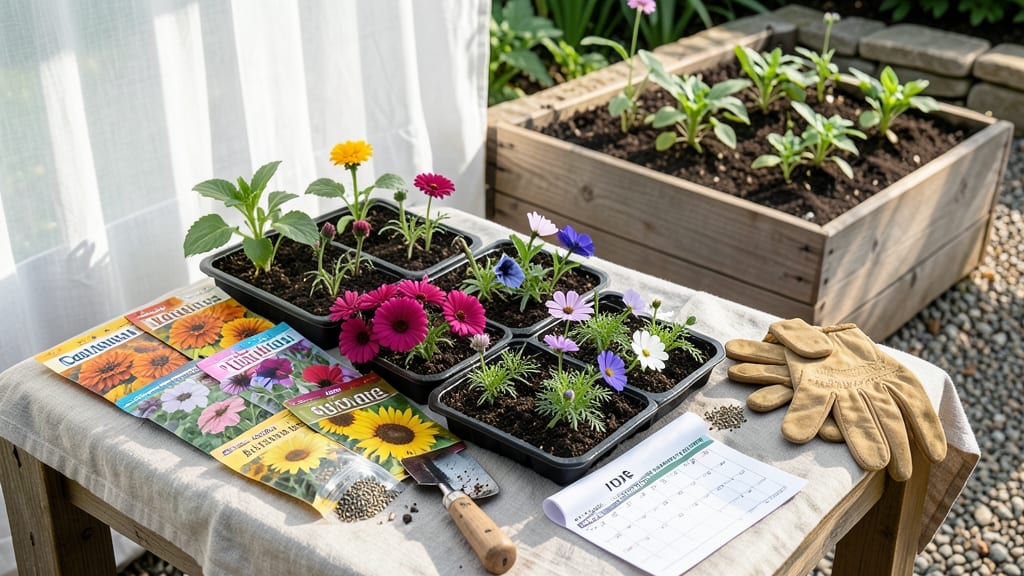
Timing when to plant flower seeds in Kansas isn’t just about following a calendar—it’s about unlocking a garden that bursts with color year after year.
Whether you’re dreaming of bold cosmos blooms by summer or hardy coneflowers that return every spring, getting those seeds in the ground at the right moment makes all the difference.
In Zone 5b-7a, where frost can still nip at petals as late as April 15, planting too early means risking lost seedlings. But wait too long, and your annuals might miss their prime blooming window.
The key is balancing soil warmth—most flower seeds need at least 50°F to germinate—with the last frost date.
I’ll show you exactly when to start seeds indoors, when to direct-sow in spring and fall, and how to adjust for Kansas’ microclimates—whether you’re in Wichita’s heat or Topeka’s cooler pockets. No more guessing: just vibrant, timed-perfect blooms that turn heads from May through October.
Ready to transform your garden into a season-long spectacle? Let’s dive into the exact planting schedule that’ll have your 🌸 flower seeds thriving—no frost-related disappointments included.
Kansas flower seed planting calendar by season: exact months for peak blooms
Kansas’ Zone 5b-7a climate demands precision when planting flower seeds. Miss the window, and you risk frost damage or bolting before blooms appear. The key? Start seeds 4-6 weeks before the last frost (typically April 15) or sow directly when soil hits 50°F.
For fall blooms, plant 8-10 weeks before first frost (usually October 15).
Cool-season flowers like pansies and snapdragons thrive when sown in March, while marigolds and cosmos wait for May warmth. Perennials like coneflowers need early spring sowing, but annuals can often wait until after Memorial Day for safer germination.
Regional tweaks matter: Wichita’s Zone 7a can push spring planting to mid-April, while Topeka’s Zone 6a may need to wait until late April. Always check Kansas State University’s frost maps for local adjustments.
🌱
| Season | Flower Type | Planting Window | Soil Temp | Notes |
|---|---|---|---|---|
| Spring | Cool-Season Annuals (Pansies, Snapdragons) | March 1–April 15 | 40–50°F | Start indoors 6–8 weeks before last frost |
| Spring | Warm-Season Annuals (Marigolds, Zinnias) | April 15–May 15 | 50–75°F | Wait until soil warms; direct sow after frost |
| Spring | Perennials (Coneflowers, Black-Eyed Susans) | March–April | 45–60°F | Sow early for established roots by summer |
| Fall | Cool-Season Annuals (Alyssum, Calendula) | August 1–September 15 | 50–65°F | Plant 8–10 weeks before first frost for blooms |
| Fall | Bulbs (Tulips, Daffodils) | September–October | 50–60°F | Chill requirements vary; check seed packets |
For indoor starts, begin warm-season flowers in February under grow lights. Use seed-starting mix and maintain 70°F soil temps. Transplant outdoors only after hardening off (acclimating to outdoor temps over 7–10 days).
Ever wondered why some flowers bolt in Kansas heat? It’s often due to skipping soil temp checks or planting too early. Use a soil thermometer—most seeds need 50–75°F to germinate reliably. For slow germinators like larkspur, soak seeds overnight or use a seed starter kit.
Pro tip: Mulch after planting to retain moisture and regulate soil temps. A 2-inch layer of straw keeps roots cool in summer and warm in spring. Just avoid piling mulch against stems to prevent rot.
🌿
Don’t overlook fall planting—it’s a Kansas gardener’s secret weapon. Alyssum and stock sown in late August will bloom until Christmas with proper care. Use row covers to extend the season if frost threatens early.
For container gardens, follow the same timeline but water daily in summer. Containers dry out faster, and potted flowers need consistent moisture to thrive. Choose dwarf varieties like petunias or marigolds for smaller pots.
🌸
How to adjust planting times for Kansas microclimates and soil conditions
Kansas’ diverse microclimates mean your neighbor’s perfectly timed cosmos might struggle in your garden. Urban heat islands in Wichita can push last frost dates 2 weeks earlier than rural areas, while Topeka’s clay-heavy soils may need amendments to prevent waterlogging.
Adjusting your planting schedule based on these factors ensures your flower seeds thrive—not just survive.
Start by checking your local frost dates—the KSRE Planting Calendar (Kansas State University Research and Extension) offers county-specific data. For example, Garden City’s last frost averages April 20, while Lawrence’s is closer to April 10.
Use these dates to fine-tune your spring planting window by 2-3 weeks earlier or later depending on your location.
- Clay soils (common in eastern KS) drain poorly—amend with compost or sand before planting.
- Sandy soils (western KS) dry out fast—mulch heavily to retain moisture.
- Urban gardens often have compacted soil—loosen with a broadfork before sowing.
For warm-season flowers like zinnias or sunflowers, wait until soil temps hit 60°F—use a soil thermometer to check. In cooler microclimates (e.g., Hays), this might mean delaying until mid-May, while Dodge City’s warmer pockets can start as early as late April.
Always plant after the last frost, but don’t wait too long—annuals planted in June may bolt prematurely.
Extend your fall planting season with row covers or cold frames to protect tender seedlings like marigolds or pansies until October 1. These tools add 4-6°F of warmth, letting you sow 4-6 weeks later than the average first frost date.
Just remove covers before first hard frost to avoid overheating.
Urban gardeners face unique challenges: limited space often means container gardening, where soil warms faster than in-ground beds. Start container seeds indoors 2-3 weeks earlier than ground planting dates. Conversely, rural Kansas may have more consistent moisture, allowing for direct sowing 1-2 weeks earlier than urban areas.
Test your soil’s pH (6.0-7.0 ideal for most flowers) and adjust with lime (to raise pH) or sulfur (to lower pH) before planting. Kansas’ alkaline soils often need organic matter—work in 3-4 inches of compost to improve drainage and fertility.
With these tweaks, your flower seeds will germinate reliably, no matter where in Kansas you garden.