
Flowers
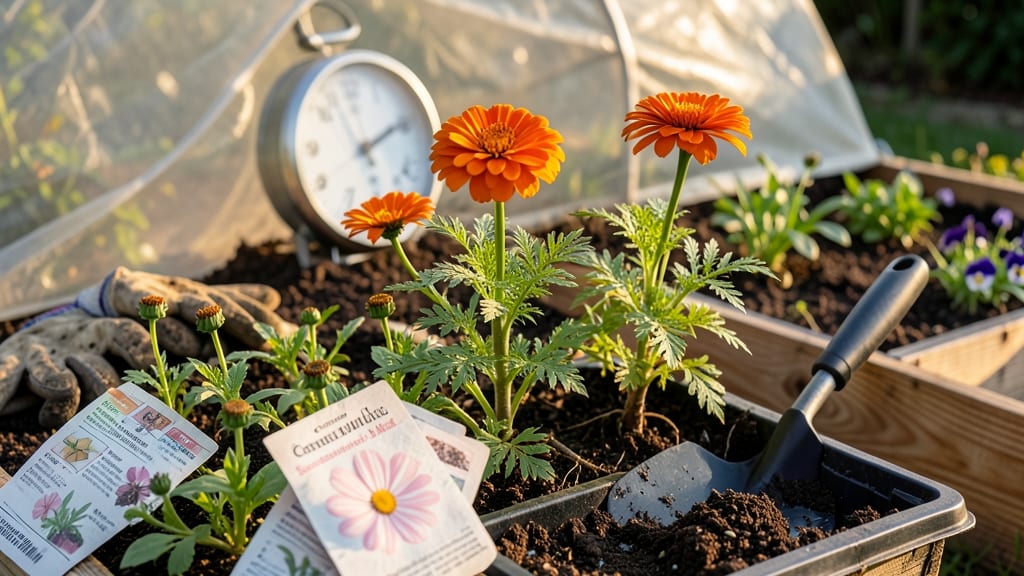
Timing when to plant flower seeds in Massachusetts isn’t just about throwing seeds into the ground—it's the difference between a vibrant garden and a sad, frost-killed disappointment. With Zone 5B frost dates that shift yearly, knowing when to plant can feel like guessing.
But here's the good news: mastering these deadlines means you'll enjoy blooms from spring through fall with minimal stress.
Most gardeners in Massachusetts start planning around late March, but that's just the beginning. Whether you're sowing directly outdoors or starting seeds indoors, the key is understanding soil temperatures and frost risks.
I'll break down the exact windows for your favorite flowers—plus how to adjust for your specific corner of the state.
From cool-loving pansies that can handle early spring to heat-loving zinnias that need warm soil, each flower has its own perfect moment. We'll cover everything you need to know about preparing soil, spacing seeds, and protecting your plants from unexpected late frosts. Let's get those 🌸 blooms growing strong!
Ready to transform your garden? I'll show you how to work with Massachusetts' unpredictable weather to create a longer, more colorful growing season. No more missed opportunities—just beautiful flowers all season long.
Massachusetts flower seed planting deadlines by season (zone 5B guide)
Massachusetts’ Zone 5B climate means your flower seeds need precise timing—too early and frost zaps your progress; too late and you miss peak blooms. The average last frost date is April 15, but microclimates (like coastal areas) can delay frost by 2 weeks.
Plan accordingly to maximize your 165 frost-free days!
Spring planting kicks off in late March for cold-hardy varieties like pansies and sweet peas, while summer annuals like marigolds and zinnias wait until soil warms to 60°F (usually mid-May). Fall offers a second chance with pansies and snapdragons sown by mid-August to bloom before frost.
🚨 🚨
| Season | Planting Window | Key Flowers | Soil Temp |
|---|---|---|---|
| Spring | Late March - May 15 | Pansies, Sweet Peas, Calendula | 40°F+ (cold-hardy) |
| Summer | May 15 - July 15 | Zinnias, Sunflowers, Cosmos | 60°F+ (warm-loving) |
| Fall | August 15 - September 15 | Pansies, Snapdragons, Aster | 50°F+ (cool-tolerant) |
For coastal Massachusetts (e.g., Cape Cod), extend spring planting by 2 weeks—warmer microclimates delay frost. Inland areas like Pittsfield face earlier frosts, so prioritize fast-growing annuals like marigolds (30 days to bloom) over slower varieties.
Perennials like coneflowers and black-eyed Susans can be sown in early spring or fall, but avoid planting after August 31—new roots won’t establish before winter. Test soil temps with a thermometer (aim for 50°F+ for most perennials).
Succession planting is key for continuous blooms. Sow fast-growing annuals like bachelor’s buttons every 2 weeks from May to July. This ensures nonstop color without gaps in your garden’s performance.
🌿 Adjust for elevation: Higher elevations (e.g., Berkshires) have 10–14 days shorter growing seasons. Start seeds indoors 2 weeks earlier or choose shorter-season varieties like cosmos (60-day bloom time).
Don’t overlook fall planting—it’s your secret weapon for early spring blooms. Sow hardy annuals like stocks and sweet alyssum in September to flower next year. These thrive with 6–8 weeks of cool weather before winter dormancy.
💧 Post-planting care: Keep seeds consistently moist (not soggy) until germination. Use mulch to retain soil warmth and moisture, especially for late-spring sowings when rains taper off.
Track your local frost dates using the National Weather Service or Massachusetts Horticultural Society resources. Even a 2-day shift in frost timing can mean the difference between healthy blooms and wilted disappointment.
Best flowers to plant in Massachusetts by seed type (direct sow vs. start indoors)
Not all flower seeds are created equal—some thrive when direct-sown outdoors, while others need a head start indoors to beat Massachusetts’ short growing season. The difference often comes down to germination speed and frost sensitivity.
For example, zinnias and cosmos sprout quickly in warm soil, making them perfect for direct sowing after your last frost. Meanwhile, petunias and snapdragons need 6–8 weeks indoors to mature before transplanting.
Direct Sow Outdoors
- ✅ Pros: Saves time/no transplant shock
- ✅ Best for: Fast growers (e.g., marigolds, sunflowers)
- ✅ Soil temp: 60°F+ (wait until mid-May)
- ✅ Examples: Zinnias, cosmos, bachelor’s buttons
Start Indoors
- ✅ Pros: Longer growing season for frost-sensitive plants
- ✅ Best for: Slow starters (e.g., petunias, snapdragons)
- ✅ Timing: 6–8 weeks before last frost (Feb–March)
- ✅ Examples: Geraniums, lobelia, coleus
For direct-sown flowers, focus on varieties that tolerate cool soil and transplanting stress. Calendula and nasturtiums are excellent choices—they germinate in 50°F soil and handle light frosts. These can be sown as early as late April in most of Massachusetts, giving them a 120-day growing season before fall frost.
When starting seeds indoors, use seed-starting trays with bottom heat mats to speed germination. Most seeds need 70–75°F soil temps to sprout consistently. Petunias, for instance, can take 10–14 days to germinate at room temperature, but only 5–7 days with bottom heat.
Harden off seedlings for 1 week before transplanting after May 15.
🌱 Soil temperature matters more than calendar dates: Use a soil thermometer to confirm readiness. 60°F+ is ideal for most annuals, but cool-season crops like pansies can handle 40°F+. In cooler inland areas (e.g., Worcester), wait until late May for warm-season flowers to avoid stunted growth.
Don’t overlook perennials—they often need fall sowing for best results. Coneflowers and black-eyed Susans can be direct-sown in early spring or September, giving roots time to establish before winter. For delphiniums, start seeds indoors in March and transplant after frost, as they’re sensitive to root disturbance.
🌿 Pro Tip: Mix fast and slow growers in your garden plan. Pair quick-blooming marigolds (30 days) with slow-starting hollyhocks (90+ days) to ensure continuous color from early summer to frost. This strategy works especially well in shorter-season areas like the Berkshires.
Always check seed packets for days to maturity—this tells you exactly how long each variety needs to bloom. For example, cosmos mature in 60 days, while sunflowers can take 80–100 days.
Plant early varieties first (e.g., bachelor’s buttons) followed by longer-season bloomers like dahlias (which need indoor starts and staking).