
Flowers
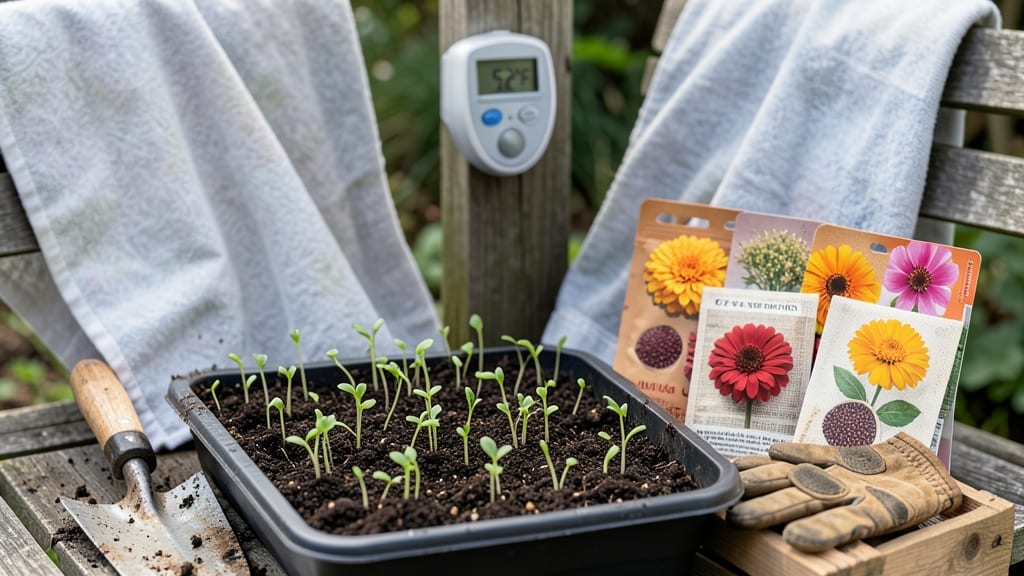
Timing your flower seeds planting in Minnesota isn’t just about luck—it’s about understanding the 120-150 frost-free days you’ve got to work with. Miss the window, and your 🌸 dreams might wilt before they even bloom.
Whether you’re a first-time gardener or a seasoned pro, knowing when to start seeds indoors or plant directly into the soil can make all the difference between a thriving garden and a sad, empty plot.
Spring planting kicks off after the last frost, typically around mid-May, but fall is your second chance—late July to early August—to get those seeds in the ground.
With Minnesota’s USDA Zones 3-5 climate, you’ve got to be strategic, especially if you’re growing cold-hardy varieties that can handle a little chill. I’ll break down the exact deadlines so you can maximize your blooms without the guesswork.
Let’s talk about the game-changer of extending your season with cold frames or row covers, because even Minnesota gardeners deserve a longer growing window.
You’ll learn which flowers thrive in your zone, how to prep your soil for success, and why some microclimates in the north might need a slightly different approach than those in the south. Ready to turn your garden into a burst of color? Let’s get started.
By the end of this guide, you’ll have a clear timeline, the best flowers for your area, and tips to protect your plants from late frosts. No more wasted seeds or missed opportunities—just a garden that pops with life, no matter how short the Minnesota summer might seem.
Let’s make this your best planting season yet.
Minnesota flower seed planting deadlines by USDA Zone 4b month
Minnesota’s USDA Zone 4b climate demands precision when planting flower seeds—miss the window, and frost can wipe out tender seedlings. The key is aligning your planting with last frost dates, which typically range from mid-May in southern Minnesota to early June in the north.
For cold-hardy varieties, you can even start in late April under protection.
Most annual flowers thrive when sown after the last frost, while perennials and biennials often tolerate earlier planting. Fall is another opportunity: plant 6–8 weeks before the first frost (usually mid-September) for a second blooming season.
Below, we break down the ideal planting months for Minnesota’s most popular flowers.
⚠️ PRO TIP: Always check your local Almanac frost dates—they can vary by 1–2 weeks depending on your exact location (e.g., Duluth vs. Rochester). Use a planting calendar or set reminders for these critical deadlines.
| Planting Window | Best Flowers | Last Frost Risk | Action Steps |
|---|---|---|---|
| Late April - Early May | Sweet Alyssum, Snapdragons, Pansies | High (use row covers) | Start indoors or use cold frames |
| Mid-May - Early June | Marigolds, Zinnias, Sunflowers | Moderate (after last frost) | Direct sow outdoors after soil warms |
| Late June - Early July | Cosmos, Black-Eyed Susans, Coneflowers | Low (summer heat risk) | Sow for late-season blooms; avoid drought stress |
| Late July - Early August | Asters, Goldenrod, Coreopsis | High (first frost risk) | Plant 6–8 weeks before frost for fall color |
For northern Minnesota (Zone 3-4), like Duluth or Brainerd, shift these deadlines 2 weeks later—frost lingers longer in these areas. If you’re in southern Minnesota (Zone 4b-5), like Rochester or Minneapolis, you can plant 1–2 weeks earlier and enjoy a longer growing season.
Perennials like black-eyed Susans and coneflowers are exceptions—they thrive when planted in early spring or fall, giving roots time to establish before winter. Annuals, however, need warm soil and consistent moisture to germinate, so wait until the soil temperature reaches at least 50°F.
Use a soil thermometer to monitor conditions—cold soil can delay germination by weeks. If your soil is still chilly, opt for cold-hardy varieties like snapdragons or pansies, which tolerate cooler temperatures better than marigolds or zinnias.
Don’t overlook fall planting—it’s a secret weapon for Minnesota gardeners. Flowers sown in late July or August will bloom until frost, extending your seasonal color. Just ensure they have 6–8 weeks to mature before the first frost hits.
Protect your early or late plantings with row covers or frost cloth to buy extra time. Even a light frost can damage tender seedlings, so always have a backup plan for unpredictable weather. With these deadlines, you’ll maximize your bloom time and minimize wasted effort.
🌱 Start with cold-hardy annuals in early spring, then transition to heat-loving varieties in summer. Fall plantings should focus on frost-tolerant perennials and biennials for next year’s garden.
Best flowers to plant as seeds in Minnesota (ranked by hardiness)
Choosing the right flowers for Minnesota’s USDA Zone 4b means picking varieties that thrive in cool temperatures and short growing seasons.
I’ve ranked these top 10 cold-hardy flowers based on their ability to handle frost, quick germination, and reliable blooms—so you can skip the guesswork and focus on enjoying your garden.
For early spring planting, prioritize frost-tolerant annuals like cosmos and marigolds, which sprout quickly even in 50°F soil. Perennials like coneflowers and black-eyed Susans are also great choices—they establish roots early and return year after year, saving you time and money.
Here’s how I’d rank them by hardiness and ease of growth:
For late-season planting (July-August), focus on cosmos and zinnias, which grow quickly and tolerate cooler temperatures. If you’re in northern Minnesota (e.g., Duluth or Brainerd), opt for coneflowers or black-eyed Susans, as they’re more resilient to late frosts.
Pro tip: If you’re starting seeds indoors, begin 6-8 weeks before your