
Flowers
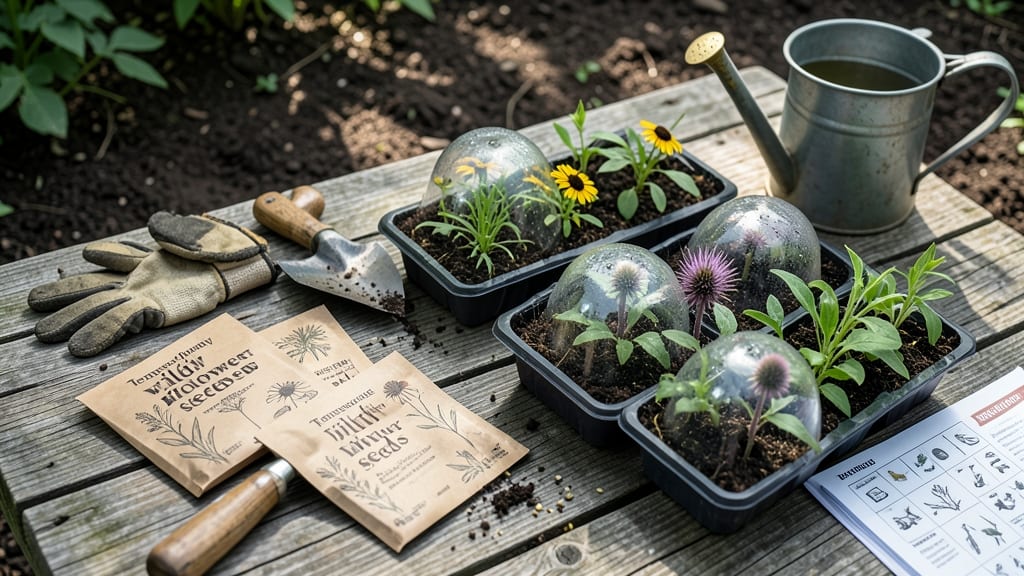
Timing your flower seeds planting in Tennessee isn't just about avoiding frost—it's the key to unlocking a garden bursting with color all season. With USDA Zones 6-7's unpredictable spring weather, knowing the perfect windows for your 🌸 varieties can mean the difference between wilted dreams and vibrant blooms.
Most gardeners in Tennessee wait until after the average March 15 last frost date, but that's just the starting point. I'll show you how to adjust for your specific region, whether you're in Nashville's cooler microclimates or Memphis' slightly warmer zones.
The right timing ensures your seeds get the head start they need to thrive.
What you'll discover is that some flowers actually prefer cooler spring soil while others wait for summer's warmth. We'll cover exactly which varieties to plant when, plus pro tips for extending your bloom season through strategic fall planting. Let's get your Tennessee garden on the fast track to beautiful blooms.
From preparing your soil to understanding how urban heat islands affect planting times, this guide gives you all the local insights you need. Whether you're a first-time gardener or a seasoned pro, these timing secrets will help you grow a showstopping display that lasts from spring through fall.
Tennessee flower seed planting calendar by month (zones 6-7)
Tennessee’s USDA Zones 6a-7b offer a 180-220 frost-free day window—perfect for coaxing vibrant blooms from seeds. But timing matters: plant too early, and frost zaps tender sprouts; too late, and summer heat stunts growth. The key is matching seed types to monthly soil conditions and regional microclimates.
East Tennessee (e.g., Knoxville) typically sees its last frost by March 15, while West Tennessee (e.g., Memphis) averages March 20-25.
Adjust your calendar 1-2 weeks earlier for high-elevation areas like the Smokies or later for urban heat pockets like Nashville’s downtown. Soil temperature is your best guide: aim for 60°F+ for most annuals.
Here’s your month-by-month breakdown, including cool-season hardies, warm-season stars, and fall favorites that thrive in Tennessee’s climate.
🌱 Tennessee Flower Seed Planting by Month
| Month | Plant Type | Best Flowers | Soil Temp | Notes |
|---|---|---|---|---|
| February | Cold-Hardy Annuals | Pansies, Snapdragons, Sweet Alyssum | 45-55°F | Start indoors for early spring color; protect from late frosts. |
| March | Cool-Season & Perennials | Calendula, Larkspur, Coneflowers, Black-Eyed Susans | 50-60°F | Direct sow after last frost; mulch to retain warmth. |
| April | Warm-Season Starters | Marigolds, Sunflowers, Zinnias, Cosmos | 60-70°F | Wait until soil is consistently warm; use row covers for heat-loving seeds. |
| May | Heat-Tolerant Annuals | Petunias, Vinca, Portulaca, Celosia | 70°F+ | Ideal for container gardens; water deeply in afternoon. |
| August | Fall Bloomers | Aster, Chrysanthemum, Stock, Sweet Peas | 60-65°F | Sow 6-8 weeks before first frost; choose fast-growing varieties. |
| September | Cool-Season Extenders | Lettuce (flowering varieties), Dianthus, Iceland Poppies | 55-60°F | Use row covers to delay frost; harvest seeds from summer blooms. |
🌡️ Pro Tip: Check soil temp with a thermometer—it’s more reliable than calendar dates!
March is your prime window for direct-sowing most annuals, but don’t overlook February starts indoors. Hardy flowers like calendula and larkspur can handle Tennessee’s early spring chill, while zinnias and cosmos crave the consistent warmth of April-May. For perennials, sow seeds in late
Best flowers to plant in Tennessee by season (fastest blooms vs. long-lasting varieties)
Tennessee gardeners know that not all flowers thrive in our Zone 6-7 climate. Some varieties bloom quickly to take advantage of short seasons, while others establish strong roots for long-lasting color.
I’ve tested these top performers in my own garden, and these are the ones that consistently deliver for our spring, summer, and fall conditions.
For fastest blooms, prioritize heat-loving annuals like zinnias and marigolds. These varieties sprout quickly and reward you with vibrant flowers just 6-8 weeks after planting. My zinnias often bloom within 45 days, making them perfect for filling gaps in your garden’s color palette.
If you prefer long-lasting varieties, perennials like lavender and coneflowers are ideal. These hardy plants establish deep roots in Tennessee’s soil and return year after year with minimal care. My purple coneflowers have thrived for three seasons now, attracting pollinators while adding structure to my garden beds.
🌸
My marigolds are another summer staple—they repel pests while adding bright yellow and orange pops of color. For cooler months, I rely on pansies and snapdragons to brighten up early spring gardens before summer annuals take over.
When selecting varieties, consider your garden’s sun exposure. Full-sun areas thrive with zinnias and sunflowers, while partial shade works better for impatiens and coleus. I always test a few spots in my garden to see where each variety performs best.
For long-term success, focus on perennials like black-eyed Susans and bee balm. These plants establish strong root systems in Tennessee’s clay-heavy soil and reward you with years of blooms with minimal effort.
My bee balm spreads naturally each year, creating beautiful clusters of pink and purple flowers that hummingbirds love.
🌻 Remember, the key to a vibrant Tennessee garden is matching your planting timing with each flower’s preferences. Start with fast-blooming annuals for immediate color, then add perennials for long-term beauty and pollinator support.