
Flowers
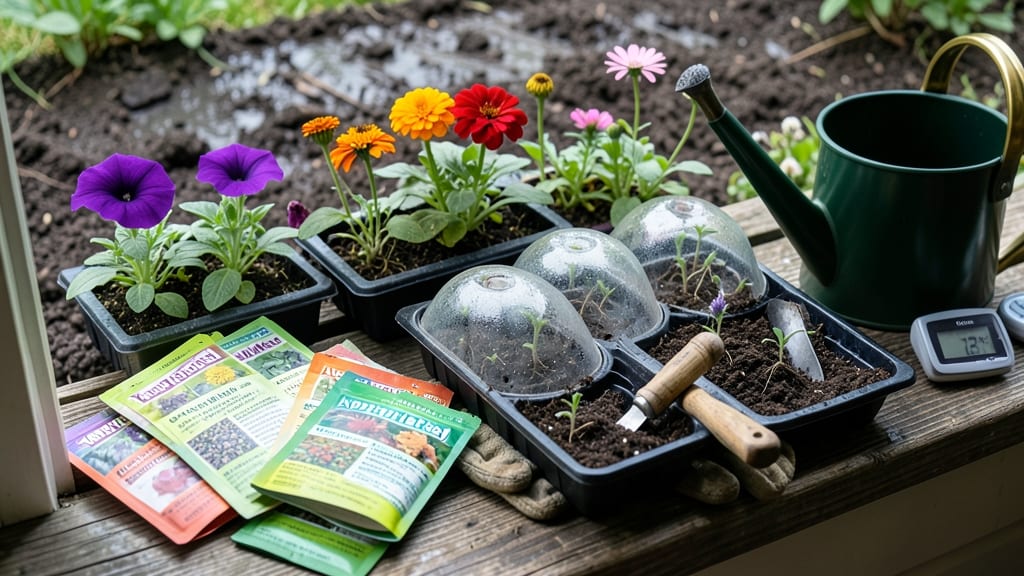
Timing your flower seeds planting in Wisconsin’s Zone 5 climate isn’t just about luck—it’s about unlocking a garden bursting with 🌸 vibrant blooms all season long. Miss the window, and you might end up with weak stems or flowers that never fully open, leaving your garden looking lackluster.
With Wisconsin’s unpredictable frost dates—ranging from mid-May in the north to early May in the south—knowing exactly when to plant can feel overwhelming. But here’s the good news: a few simple adjustments based on your region and flower type can make all the difference.
Whether you’re sowing annuals for summer color or perennials for years of beauty, the right timing sets the stage for success.
I’ll break down the exact months to plant, from early spring prep to fall blooms, so you can avoid common mistakes and get the most out of your garden.
Plus, I’ll share pro tips for handling Wisconsin’s tricky weather, like using row covers or adjusting for late frosts. Let’s dive in!
By the end, you’ll have a clear, foolproof schedule tailored to Wisconsin’s Zone 4b-5b conditions—no guesswork, just stunning results. Ready to transform your garden this year?
Wisconsin flower seed planting calendar by month: Zone 5 deadlines explained
Timing your flower seed planting in Wisconsin’s Zone 5 climate means balancing last frost dates with soil warmth. Most regions experience their average last frost between May 10-20, but northern areas like Green Bay may see frost until June 1.
For southern Wisconsin (Milwaukee/Madison), you can start direct sowing 2-3 weeks earlier.
Your planting window opens in late April for cold-hardy varieties like pansies or sweet peas, while tender annuals like marigolds or zinnias wait until after Memorial Day. Fall planting begins in early September for hardy blooms like cosmos or snapdragons, which thrive in cooler autumn temperatures.
Key deadlines to remember: May 15 for most annuals, June 1 for heat-loving flowers, and September 15 for fall crops. Always check soil temperatures—seeds need at least 60°F to germinate properly.
🌱
Wisconsin Flower Planting Timeline
| Month | Planting Window | Best Flowers | Notes |
|---|---|---|---|
| April | Indoors: Late April Outdoors: Late April (cold-hardy) |
Pansies, Sweet Peas, Snapdragons, Calendula | Start seeds indoors 4-6 weeks before last frost |
| May | After last frost (May 10-20) | Zinnias, Marigolds, Sunflowers, Cosmos | Wait until soil reaches 60°F for direct sowing |
| June | Early June (heat-tolerant) | Lantana, Petunias, Geraniums, Portulaca | Succession plant every 3 weeks for continuous blooms |
| September | Early September (fall bloomers) | Cosmos, Snapdragons, Stock, Sweet Alyssum | Plant 8-10 weeks before first frost for blooms |
| October | Mid-October (cold-hardy) | Pansies, Calendula, Sweet Peas | Use row covers for extended growing season |
For northern Wisconsin (Zone 4b), delay outdoor planting until June 1 to avoid late frosts. Southern regions can push fall planting to early October, but monitor first frost dates—typically October 15-30 depending on location. Always check Wisconsin State Climatology Office updates for real-time adjustments.
If you’re starting seeds indoors, begin 4-6 weeks before your target outdoor date. For example, March 15 for early May planting. Use grow lights to supplement 12-16 hours of light daily until seedlings are 2-3 inches tall.
Pro tip: Mark your calendar for Memorial Day weekend—this is your last safe window for planting tender annuals in most of Wisconsin. After this, focus on fall-blooming varieties or cool-season crops like pansies or violas.
Don’t forget to harden off seedlings before transplanting! Gradually expose them to outdoor conditions over 7-10 days to prevent shock. This is especially critical in Wisconsin’s windy conditions, which can stress young plants.
For container gardening, adjust timing by 1-2 weeks earlier—pots warm up faster than garden soil. Just ensure containers have drainage holes to prevent root rot from Wisconsin’s heavy spring rains.
🌼
Best flowers to plant by seed in Wisconsin (and when to start indoors)
Wisconsin’s Zone 5 climate means some flowers thrive best when started indoors for earlier blooms. Annuals like zinnias and marigolds love warmth, while cold-hardy perennials like coneflowers can handle direct sowing after frost. Let’s break down the best options and their ideal start times.
For spring blooms, start petunia and geranium seeds indoors 8-10 weeks before your last frost (typically March 15-April 1 in Wisconsin). These heat-lovers need a head start to beat late frosts. Snapdragons and hollyhocks also benefit from early starts.
For fall blooms, focus on cosmos and sunflowers. Sow these directly in late July-August for late-summer color. Sweet alyssum and pansies can also handle September sowing for winter interest.
Pro tip: Use grow lights for indoor starts to prevent weak seedlings. Keep soil 60-70°F and maintain humidity with plastic domes until germination. Once outdoors, harden off seedlings for 7-10 days before transplanting.
Wisconsin’s short growing season demands smart choices—prioritize fast growers and cold-tolerant varieties to stretch your bloom time from June through October. 🌻