
Flowers
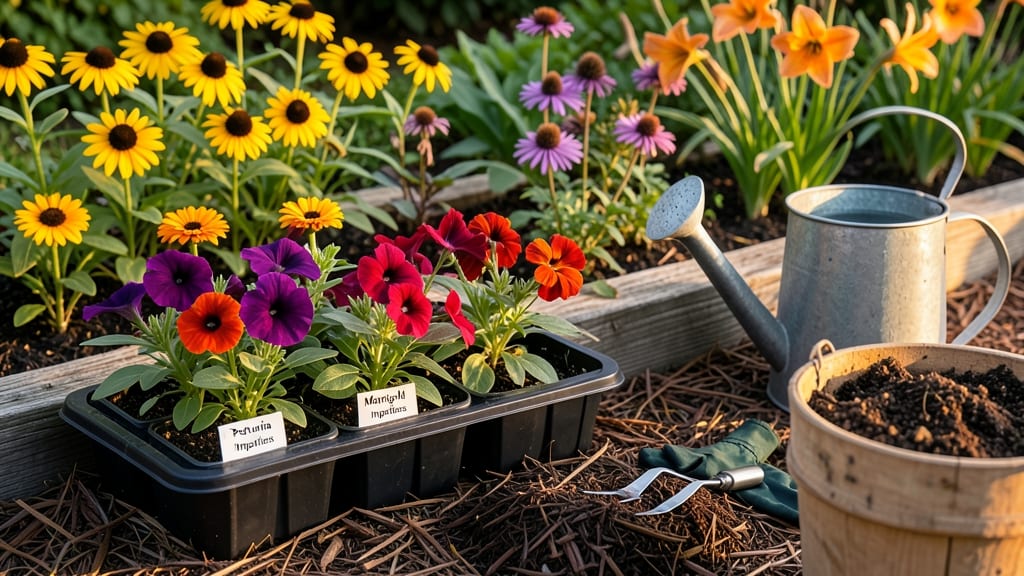
When to plant flowers in GA is the secret to a garden that blooms boldly from spring to frost—if you time it right. Georgia’s three distinct regions—coastal, Piedmont, and mountain—each have their own ideal planting windows, and getting them wrong can mean wilting blooms instead of vibrant displays.
I’ve spent years watching gardens thrive (and flop) in Georgia’s ever-changing climate, and the key isn’t just picking the right flowers—it’s planting them at the perfect moment.
Whether you’re in the humid Lowcountry or the cooler Blue Ridge, knowing when to start seeds or transplant mature plants can extend your blooming season by months.
From azaleas that love spring’s mild air to heat-resistant zinnias that take off in summer, each flower has its own rhythm. You’ll discover exactly which months work best for your region, how to beat early frosts, and even how to cheat the system with smart succession planting for nonstop color.
Let’s dive into the game-changer strategies that’ll turn your Georgia garden into a year-round showstopper—no guesswork required.
Georgia flower planting calendar by region: coastal, Piedmont, and mountain zones
Georgia’s three distinct regions—Coastal Plain, Piedmont, and Blue Ridge Mountains—have wildly different frost dates and growing seasons. Planting your annuals and perennials at the wrong time can mean wilting blooms or stunted growth. Let’s break down the ideal planting windows for each zone.
In the Coastal Plain, mild winters mean you can plant cool-season flowers like pansies as early as October, while the Blue Ridge Mountains may still have frost lingering into May. Understanding these differences ensures your garden thrives year-round.
| Region | Last Frost Date | First Frost Date | Best Planting Months | Heat-Tolerant Picks |
|---|---|---|---|---|
| Coastal Plain | Mid-February | Mid-November | October–March, August–September | Zinnias, Lantana, Hibiscus |
| Piedmont | Late February | Late November | March–April, August–September | Marigolds, Petunias, Black-Eyed Susans |
| Blue Ridge Mountains | Mid-April | Mid-October | April–May, July–August | Azaleas, Coneflowers, Bee Balm |
For annual flowers, aim to plant 6–8 weeks before your region’s last frost date. This gives them time to establish roots before summer’s heat arrives. In the Coastal Plain, that means late winter for cool-season blooms like pansies and snapdragons.
In Piedmont, where frost lingers longer, start perennials like daylilies and coreopsis in early spring (March–April). These hardy plants thrive with 6–8 hours of sun and well-draining soil, making them perfect for Georgia’s variable climate.
If you’re in the Blue Ridge Mountains, wait until after May 15 to plant heat-loving annuals like zinnias or lantana. The cooler nights and shorter growing season demand patience—plant too early, and you’ll risk fungal diseases from excess moisture.
Fall planting is another game-changer for Georgia gardeners. In the Coastal Plain, August–September is ideal for cool-season flowers like chrysanthemums and calendulas. These blooms will reward you with vibrant colors through winter and into early spring.
For bulbs, like tulips and daffodils, plant in October–November across all regions. The 60-day rooting period before winter ensures robust blooms next spring. In the Piedmont, this means late October planting for frost-free growth.
Pro tip: Use mulch after planting to retain soil moisture and regulate temperature. A 2–3 inch layer of organic mulch (like pine straw or shredded leaves) protects roots from temperature swings and weed competition.
This is especially critical in the Blue Ridge, where nights can still dip below 40°F even in summer.
Don’t forget to check your local frost dates—they can vary by 1–2 weeks even within the same region. Tools like the National Weather Service or Almanac’s Frost Calendar are invaluable for precision planting.
With the right timing, your Georgia garden can burst with color from spring to frost.
Best flowers to plant in Georgia by season: heat-tolerant vs. cool-season varieties
Georgia’s sweltering summers and mild winters create the perfect stage for flowers that thrive in extremes. The key to a year-round garden is knowing which heat-tolerant varieties shine in July and which cool-season stars bloom beautifully in spring and fall.
Let’s dive into the best picks for each season, so you can enjoy continuous color without overcrowding your beds.
For summer blooms, focus on flowers that love full sun and drought-resistant roots. Zinnias and lantana are my top recommendations—they handle Georgia’s 90°F+ heat like champions and attract pollinators all season.
Plant these after the last frost, usually in mid-April to May, once soil temperatures hit 60°F+. Their vibrant hues will keep your garden lively until first frost in October or November.
In cool seasons, prioritize flowers that tolerate light frosts and moist soil. Pansies and snapdragons are my go-tos—they bloom prolifically in spring (March-April) and fall (September-October), even when temperatures dip. These low-maintenance beauties also deter pests, making them a dual-purpose choice for any Georgia garden.
- Zinnias: Plant April-May, full sun, drought-tolerant. Bloom: June-October.
- Lantana: Thrives in heat and poor soil. Bloom: May-Frost, attracts butterflies.
- Marigolds: Pest-repellent. Plant: March-April, Bloom: June-September.
- Pansies: Cold-hardy, Bloom: March-May, shade-tolerant.
- Sweet Alyssum: Fragrant, attracts bees. Plant: February-March.
- Daffodils: Early bloomers, Plant: October-November, Bloom: February-April.
- Snapdragons: Tolerate light frost, Bloom: September-November.
- Chrysanthemums: Late-season color, Plant: August-September.
- Calendula: Edible petals, Bloom: September-Frost.
Don’t overlook native Georgia flowers like black-eyed Susans and coreopsis, which thrive in poor soil and dry conditions. These perennials bloom from summer to fall and require minimal care once established.
Plant them in early spring for year-round interest, as they’ll return every year with bold, cheerful blooms.
For container gardening, opt for petunias and geraniums—they love heat and humidity and can be planted as late as June for summer-long color. Just ensure containers have drainage holes and use well-draining potting mix to prevent root rot in Georgia’s heavy rains.
Pro tip: Mulch heavily around all flowers to retain moisture and regulate soil temperature. In summer, mulch with straw or pine needles; in winter, use shredded leaves to protect roots from freezing temperatures.
With the right seasonal mix, your Georgia garden will be a blooming paradise year-round. 🌼