
Flowers
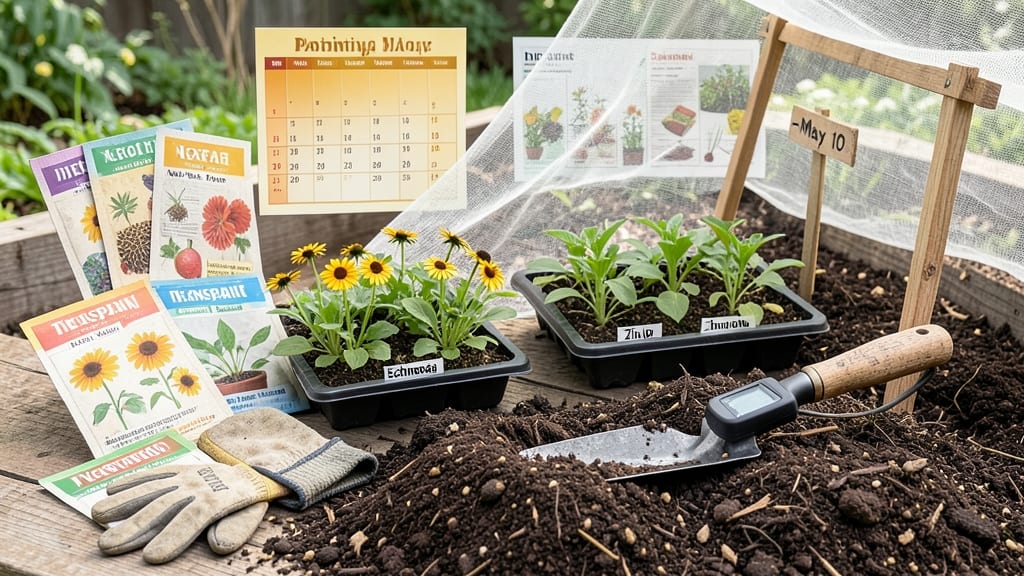
Timing when to plant flowers in Nebraska just right in the 5a-6b zones can mean the difference between a showstopping garden and a sad, frost-nipped disappointment.
Whether you're dreaming of vibrant 🌸 blooms in your Omaha backyard or lining your Lincoln sidewalk with color, getting the planting window wrong is a common mistake—one that even experienced gardeners fall for.
Most gardeners assume that late April is always safe, but Nebraska’s unpredictable frost dates—especially in Zone 5—can still catch you off guard. The key to success lies in understanding your specific microclimate, whether you're in the cooler eastern plains or the slightly warmer western regions.
By aligning your planting schedule with local frost averages and flower hardiness, you’ll give your garden the best chance to thrive from spring through fall.
In this guide, I’ll break down the exact planting windows for Nebraska’s most popular flowers, from delicate annuals to hardy perennials, and share my top strategies for beating late frosts.
You’ll learn when to start seeds indoors, how to prep your soil for maximum bloom power, and which varieties are safest to plant as early as March—without risking a frost-induced setback.
Ready to transform your garden into a year-round paradise? Let’s dive into the timing secrets that will have your flowers blooming like never before—no more guesswork, just guaranteed success for Nebraska’s unique climate.
Nebraska frost dates & best planting months by flower type
Nebraska’s USDA Zones 5a-6b mean your planting schedule depends heavily on frost dates and microclimates. Omaha and Lincoln typically see their last spring frost around April 15, while rural areas can lag 1-2 weeks later. First frosts arrive between October 1-15, so plan accordingly for fall plantings.
For annual flowers, wait until after your area’s average last frost date—usually mid-to-late April—before transplanting seedlings. Perennials and cold-hardy bulbs (like daffodils or tulips) can go in the ground as early as March in Zone 6, but wait until late March to April in Zone 5.
Here’s how to align your planting with Nebraska’s climate for maximum bloom success:
| Flower Type | Best Planting Window | Notes for Nebraska |
|---|---|---|
| Annuals (e.g., Marigolds, Petunias) | April 15–May 15 (after frost) | Start seeds indoors in March; harden off before transplanting. |
| Perennials (e.g., Coneflowers, Black-Eyed Susans) | April 1–May 10 (Zone 6) or May 1–15 (Zone 5) | Divide clumps in early spring or fall; mulch heavily. |
| Bulbs (e.g., Tulips, Daffodils) | September–October (fall) or March (spring) | Plant bulbs 6–8 weeks before first frost for spring blooms. |
| Cold-Hardy Flowers (e.g., Pansies, Violas) | March–April (Zone 6) or April–May (Zone 5) | Tolerate light frosts; ideal for early spring color. |
| Heat-Tolerant Annuals (e.g., Zinnias, Sunflowers) | May 15–June 15 (after soil warms) | Direct-sow after 60°F soil temps; avoid transplant shock. |
For late-season bloomers, focus on heat-tolerant varieties like zinnias or cosmos. These thrive when planted in mid-to-late May and continue blooming until Nebraska’s first frost. Pair them with succession plantings every 2-3 weeks to extend your garden’s life.
If you’re in Zone 6 (southern Nebraska), you can push the envelope with tender annuals like impatiens or begonias by using row covers to shield them from late frosts. In Zone 5 (northern Nebraska), opt for hardier varieties like coreopsis or Russian sage to minimize frost risk.
Always check your local Nebraska State Climate Office or UNL Extension for real-time frost alerts, as microclimates (like urban heat islands) can shift planting windows by 1-2 weeks. A frost-free window of 150–180 days is typical, so plan your garden layout to maximize this time.
Pro tip: Use mulch (2–3 inches) to insulate soil and retain moisture, especially in Nebraska’s dry springs. This gives your flowers a 2-week head start on establishing roots before summer heat arrives.
For fall-blooming flowers (like chrysanthemums or asters), plant in early September to ensure they root before winter. These varieties love Nebraska’s cool autumns and often outperform spring plantings.
🌸
How to extend Nebraska’s growing season for early & late bloomers
Nebraska’s Zone 5 and 6 climates can be tricky for gardeners—late spring frosts and early fall chills threaten tender flowers. But with the right strategies, you can extend your blooming season by weeks!
Whether you’re protecting delicate annuals or nurturing fall-blooming perennials, these proven techniques will keep your garden vibrant longer.
Start with succession planting, a gardener’s secret weapon. Instead of planting all your flowers at once, stagger your seed sowing or transplanting every 2-3 weeks.
This ensures a continuous bloom cycle from early summer through fall. For example, plant marigolds in early May, then repeat in June for late-summer color.
The #1 tool for frost protection is a lightweight row cover or frost cloth. These breathable fabrics trap heat while allowing sunlight and water through. Cover your plants in the evening before a frost and remove them midday.
For extra insurance, use a cold frame—a simple DIY box with a clear lid—to create a microclimate that stays 5-10°F warmer than outside.
🌱 5 Proven Strategies to Extend Your Nebraska Flower Season
- 🌡️ Use row covers for 30+ days of frost protection after last frost date.
- 🌿 Choose heat-tolerant varieties like zinnia or black-eyed Susan for late-season planting.
- 📅 Plant bulbs in fall (e.g., tulips, daffodils) for early spring blooms.
- 🌱 Start seeds indoors 6-8 weeks before last frost for a head start.
- 💧 Mulch heavily (3-4 inches) to insulate roots and retain moisture.
Don’t overlook heat-resistant varieties—some flowers thrive when others wilt. Lantana, portulaca, and cosmos are drought-tolerant and bloom until frost. For shade-loving options, try impatiens or begonias, which perform well in Nebraska’s hot, humid summers.
Always check the USDA Plant Hardiness Zone label to match your region’s climate.
Prepare your flower beds early by amending soil with compost and adding organic matter. Well-draining soil helps roots establish faster, giving plants a better chance to recover from temperature swings.
In Zone 6 areas (like southeastern Nebraska), you can push the envelope by planting tender annuals like petunias in late May—just be ready to cover them if a late frost hits.
For fall-blooming perennials, like chrysanthemums or asters, fertilize lightly in early September to encourage late-season growth. These plants need time to harden off before winter, so avoid heavy feeding after mid-September. Always water deeply before the first frost to hydrate roots for dormancy.
With these strategies, your Nebraska garden can bloom from May through October—or even longer! The key is planning ahead, protecting vulnerable plants, and choosing the right varieties for your microclimate. Happy gardening! 🌼