
Flowers
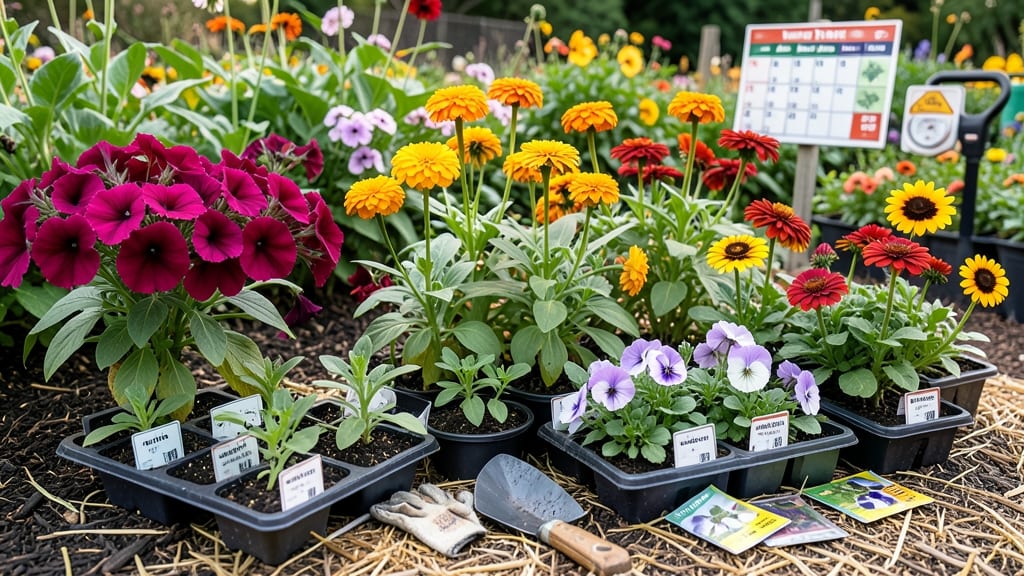
Timing your flower planting in New York can mean the difference between vibrant summer blooms and struggling seedlings—because the state’s diverse microclimates (from coastal Long Island to the Adirondack highlands) create wildly different planting windows.
If you’ve ever wondered when to plant flowers in New York without guessing, you’re not alone. The USDA zones 5-7 across the state mean frost dates shift dramatically—NYC’s 7a-7b allows earlier spring planting than Upstate’s 4b-6a regions. Miss the window, and your 🌸 could wilt before they even bloom.
Here’s the good news: with the right timing, you can enjoy continuous blooms from spring to fall. Whether you’re planting annuals for summer color or perennials to return year after year, knowing your local frost dates and microclimate is the key to success.
Let’s break down exactly when to plant—from late April’s first frost-free days to September’s fall favorites—so you can transform your garden into a year-round floral display.
New York planting zones & microclimate-specific flower planting weeks
New York’s diverse USDA zones (4-7) and microclimates—from coastal Long Island to the Adirondack highlands—mean planting windows vary by hundreds of days. Understanding your specific zone and local frost dates is key to avoiding frost damage or overly late blooms.
For example, NYC (Zone 7a-7b) has an average last frost date of April 15, while Albany (Zone 5b) typically sees frost until May 15. These differences directly impact when you should plant annuals, perennials, and bulbs.
In Zone 4 (Upstate NY), where winters are harsh, spring planting for annuals starts in late May after the soil warms to 60°F. Meanwhile, Zone 7 (NYC) gardeners can plant hardy annuals like marigolds as early as mid-April.
Fall planting for cool-season flowers like pansies or snapdragons typically occurs between September 15 and October 15 across most of the state, with earlier dates in the north and later dates in the south.
Bulbs, such as tulips and daffodils, should be planted in October to establish roots before winter.
Urban areas like New York City experience heat islands that can push planting windows 1-2 weeks earlier in spring and 1-2 weeks later in fall compared to rural areas.
For instance, Brooklyn’s warmer microclimate allows for earlier tomato planting and extends the fall bloom season for flowers like cosmos and zinnias.
Always check your local Cooperative Extension Service for hyper-local frost data, as even small differences in elevation or proximity to water can shift planting windows by weeks.
⚠️ CRITICAL: Never plant tender annuals like petunias or geraniums until after your area’s last frost date. A late frost can kill young seedlings overnight. Use frost dates as your guide, not calendar months.
| Region | USDA Zone | Last Frost Date | Spring Planting Window | Fall Planting Window |
|---|---|---|---|---|
| NYC & Long Island | 7a-7b | April 15 | Late April - Early May | September 15 - October 15 |
| Hudson Valley | 6a-6b | May 1 | Early May - Mid-May | September 1 - October 10 |
| Finger Lakes | 5a-5b | May 15 | Late May - Early June | August 20 - September 15 |
| Adirondacks | 4a-4b | May 25 | Early June | August 1 - September 1 |
| Western NY (Buffalo) | 6a-6b | May 5 | Mid-May | September 10 - October 1 |
🌱
New York’s five distinct climate regions—Long Island, Hudson Valley, Finger Lakes, Adirondacks, and NYC—each have unique planting windows. For example, coastal Long Island (USDA Zone 7a) can plant marigolds in late March, while the Adirondacks (Zone 4b) must wait until mid-May. Understanding these differences ensures your flowers thrive. Below are month-by-month recommendations for annuals, perennials, and bulbs tailored to each region. Whether you’re in urban NYC or rural Upstate, these timelines align with local frost dates and seasonal shifts. 🌸 Plant pansies, violas, and snapdragons in NYC and Long Island. These cold-hardy annuals tolerate light frosts and bloom early. Start petunias, geraniums, and cosmos after the last frost (typically mid-April in NYC, late April Upstate). Add tulip bulbs for spring blooms. Plant sunflowers, zinnias, and black-eyed Susans. Perennials like coneflowers and daylilies can go in the ground once soil warms to 60°F. Add marigolds, nasturtiums, and cosmos for late-summer color. Replace early bloomers like pansies with heat-tolerant portulaca. Plant pansies, sweet alyssum, and calendulas for winter interest. Add daffodil and crocus bulbs for early spring blooms. Focus on hardy mums and ornamental kale. In Zone 6-7, extend the season with cold frames for salad bowls. For urban gardeners in NYC, container planting lets you start 2-4 weeks earlier than in-ground gardens. Use heat-retentive fabrics to protect seedlings from late frosts, especially in Zone 5 or colder regions like the Adirondacks. 🌿 Pro tip: Succession planting—adding new flowers every 3-4 weeks—keeps your garden blooming from spring to frost. For example, plant cosmos in May, then zinnias in June, followed by marigolds in July for a seamless color transition.Best flowers to plant by month in New York’s climate regions