
Flowers
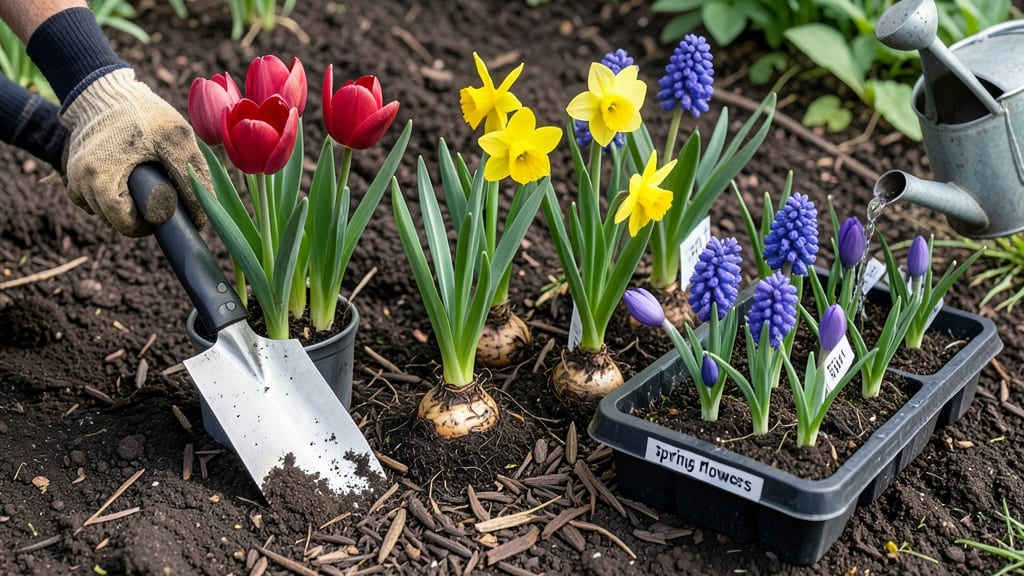
Timing your spring flower planting isn’t just about checking the calendar—it’s about giving your 🌸 blooms the strongest start possible. Whether you're in Zone 6a or another region, planting after the last frost (typically late April to early May) sets the stage for vibrant blooms all season long.
But here’s the secret most gardeners miss: aligning your planting schedule with the moon’s phases can boost root growth and flowering success. I’ll show you exactly how to use lunar cycles to your advantage, so your flowers thrive from the very first sprout.
From annuals that burst into color to perennials that return year after year, we’ll cover the best planting windows for your climate. You’ll also learn how to prep your soil and avoid common mistakes that sabotage even the most eager gardeners.
Ready to transform your garden into a blooming paradise? Let’s dive into the science—and magic—of planting flowers at the perfect time for maximum beauty and resilience.
Best spring planting dates by flower type and hardiness Zone
Spring is the perfect time to bring color to your garden, but planting too early or too late can mean the difference between vibrant blooms and lost seedlings. The key is understanding your USDA hardiness zone and the specific needs of your flower types.
Most gardeners wait until after the last frost date—typically between late March and mid-May, depending on your region—but some flowers, like cool-season annuals, can handle a light frost.
For example, in Zone 6a (like much of the Midwest), the average last frost date is around April 15.
However, if you're planting tender annuals like marigolds or petunias, you’ll want to wait until soil temperatures reach at least 60°F (15°C) to avoid stunted growth. Perennials, on the other hand, often benefit from early planting in late winter or early spring when the soil is workable.
Here’s how to align your planting schedule with your zone and flower type for maximum success:
| Flower Type | USDA Zones | Best Planting Window | Soil Temp Requirement | Notes |
|---|---|---|---|---|
| Cool-Season Annuals (e.g., pansies, snapdragons) | 3–10 | 4–6 weeks before last frost (Feb–March) | 45–55°F (7–13°C) | Tolerates light frost; direct sow or start indoors. |
| Warm-Season Annuals (e.g., zinnias, cosmos) | 3–10 | After last frost (April–May) | 60–70°F (15–21°C) | Wait for soil to warm; sensitive to cold. |
| Perennials (e.g., daylilies, coneflowers) | 3–9 | Early spring (March–April) or fall | 40–50°F (4–10°C) | Establishes strong roots; mulch after planting. |
| Bulbs (e.g., tulips, daffodils) | 3–8 | Fall (6–8 weeks before first frost) or early spring | 50–60°F (10–15°C) | Plant bulbs in fall for spring blooms; spring planting works in mild zones. |
| Tender Perennials (e.g., salvia, lavender) | 7–10 | After last frost (May–June) | 65°F+ (18°C+) | Needs warm soil; protect from late frosts. |
If you’re unsure about your last frost date, check local weather reports or use a frost calendar for your area.
For example, in Zone 3, you might plant cool-season flowers as early as March 1, while in Zone 10, you can start warm-season flowers in February.
Always err on the side of caution—better to wait a week too long than plant too soon and risk losing your investment.
Another pro tip: Hardening off seedlings before transplanting can improve their survival rate. If you started seeds indoors, gradually expose them to outdoor conditions over 7–10 days before planting. This helps them adjust to wind, sun, and temperature fluctuations in your garden.
For container gardening, timing is even more critical since pots heat up faster and dry out quicker. Plant warm-season flowers in containers 2–3 weeks after your last frost date to give them time to establish roots before summer heat sets in.
Use well-draining soil and place containers in a location that gets 6+ hours of sunlight daily.
One common mistake is ignoring soil temperature. Even if the air is warm, cold soil can stunt root growth. Use a soil thermometer to check—most flowers thrive when soil temps are consistently above 50°F (10°C).
If your soil is still chilly, consider using black plastic mulch or a cold frame to warm it up faster.
Finally, don’t forget to amend your soil before planting. Mix in compost or aged manure to improve drainage and fertility. For heavy clay soils, add sand or perlite to loosen the texture, while sandy soils benefit from organic matter like peat moss or coconut coir.
A pH test can also help—most flowers prefer a slightly acidic to neutral soil (pH 6.0–7.0).
With the right timing and prep, your spring flowers will reward you with bold colors and fragrant blooms all season long. Start planning now, and mark your calendar for the perfect planting window in your area!
How moon phases affect root growth and flowering success
Did you know the moon’s phases can dramatically impact your flower planting success? Just like the tides, the moon’s gravitational pull influences plant growth, especially root development and flowering cycles.
Planting during the right lunar phase can mean the difference between weak stems and vibrant blooms that last all season.
For root crops and leafy plants, aim to plant during the waxing moon (when the moon is growing brighter). This phase boosts root growth, giving your flowers a strong foundation.
Meanwhile, flowering plants thrive when planted during the waning moon (after the full moon), as this phase supports above-ground growth and bloom production.
The full moon is a powerful time for planting—it’s when the moon’s energy is at its peak. Many gardeners swear by planting bulbs and perennials during this phase for maximum vitality.
Even the new moon has its place, especially for seeds and cuttings, as it signals a fresh start and encourages new growth.
To make the most of lunar planting, check a moon phase calendar before you start. For example, if you’re planting tulip bulbs in early spring, aim for the waxing moon to ensure deep root penetration. Meanwhile, annuals like marigolds planted during the waning moon will produce more abundant flowers.
Don’t stress if you miss the perfect phase—most flowers are forgiving. However, aligning your planting with the moon can give you a competitive edge, especially in challenging climates or for high-value blooms. Even a small adjustment can lead to healthier plants and longer-lasting flowers.
Next time you’re prepping your garden, take a moment to glance at the moon. You might just uncover the secret to your most successful spring planting yet! 🌙