
Plants
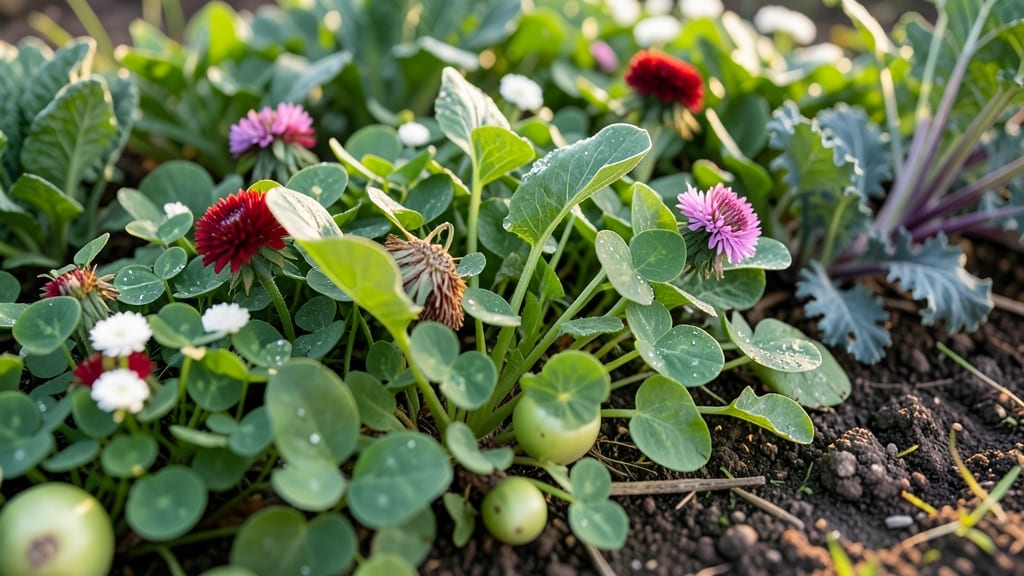
Planting food plots for deer 🦌 in Louisiana at the wrong time means missed opportunities for lush grazing and healthier herds—but getting the timing right unlocks fast, reliable growth that deer can’t resist.
The key isn’t just picking a season; it’s syncing your planting with Louisiana’s unique climate zones and deer hunting cycles to ensure your plots mature before the first frost.
If you’ve ever watched deer browse a neighbor’s plot while yours struggles, you know timing matters. Louisiana’s 8a-9b zones give you two prime windows: late summer to early fall or early spring.
Each offers different advantages—fall plots establish roots before winter rains, while spring plantings capitalize on deer’s spring rut and summer food shortages.
I’ll walk you through the exact calendar for fast-growing plots, from soil prep in August to harvest-ready crops by November. No guesswork—just proven strategies to turn your land into a deer magnet, no matter which season you choose.
Ready to transform your property? Let’s dive into the science-backed schedule that’ll have deer grazing in your plots before you even hang that first buck.
Best planting windows for Louisiana food plots by season
Louisiana’s humid subtropical climate (USDA Zones 8a-9b) offers two prime windows for planting deer food plots: late summer/early fall and early spring.
These timings align with deer hunting seasons—archery in September-October, gun season in November-January, and muzzleloader in December—ensuring your plots are lush and ready when bucks are most active. The key is planting when soil temperatures and rainfall support rapid germination.
For fall-planted plots, aim for August through September in northern Louisiana (Zone 8a) or September through October in southern areas (Zone 9b). This gives crops like clover and brassicas time to establish roots before winter, then explode in growth during late fall and early winter—peak deer feeding time.
Spring planting should start in February (Zone 8a) or March (Zone 9b) to avoid late frosts that can damage tender seedlings.
Here’s your seasonal planting calendar, broken down by crop type and Louisiana’s microclimates. Warm-season crops (like sorghum-sudangrass) thrive when soil temps hit 65°F+, while cool-season plots (such as rye and winter peas) need 50-60°F soil temps for optimal germination.
Timing these correctly can mean the difference between a thriving plot and a failed investment.
If you’re planting for archery season (September–October), focus on fast-growing warm-season crops like sorghum-sudangrass or millet. These can be sown as late as July in southern Louisiana and still provide 60+ days of growth before the hunt.
For gun season (November–January), prioritize cool-season brassicas (turnips, radishes) and clovers, which offer high-protein forage deer crave in winter.
Louisiana’s variable rainfall patterns can disrupt planting schedules, so always check 7-day soil moisture forecasts before seeding. In drier areas (like north Louisiana), irrigation may be needed to establish plots in August or September.
Conversely, excessive rain in spring can delay planting—wait until soil is workable and not waterlogged. A simple soil probe test (stick a screwdriver in the ground) can save you from planting in soggy soil.
Don’t overlook soil preparation timing. For fall plots, till or disk the soil in July to kill weeds and warm the seedbed.
In spring, prepare beds in January to allow time for weed control before planting. Cover crops like rye planted in fall can also suppress weeds and improve soil structure for next year’s plots. This proactive step can double your success rate in Louisiana’s competitive deer hunting landscape.
One critical mistake many Louisiana landowners make is planting too late in fall and risking frost damage. If you’re in Zone 8a, avoid planting after October 15—cool-season crops need 4–6 weeks to establish before winter.
In Zone 9b, you have until November 1, but growth slows significantly after October 20. Use a minimum-maximum thermometer to track soil temps and adjust your planting date accordingly.
For maximum deer impact, stagger your planting dates. Start with warm-season crops in August (for late-season growth), then add cool-season plots in September to carry over into winter. This layered approach ensures deer have food year-round, not just during hunting seasons.
In Louisiana, where deer rely heavily on food plots, this strategy can increase stand visits by 300% during peak hunting months.
Finally, record your planting dates and track growth progress. Louisiana’s unpredictable weather means your 2024 schedule might differ from 2025. Use a gardening journal to note soil temps, rainfall, and deer activity patterns.
Over time, you’ll refine your timing to match your specific property’s microclimate—whether it’s a shady bottomland or a sunny ridge.
With the right timing, your Louisiana food plots can become the ultimate deer attractant, turning your property into a hunting hotspot. Start planning now, and by next season, you
Best planting windows for Louisiana food plots by season
Louisiana’s two distinct planting windows for deer food plots—late summer/fall and early spring—align perfectly with deer behavior and hunting seasons. Fall plantings (August-September) leverage summer rains and warm soils for rapid root establishment, while spring plantings (February-March) capitalize on deer’s spring food shortages.
The key difference? Fall plots mature before winter browsing peaks, while spring plots grow during the rut when bucks need extra nutrition.
Your USDA zones 8a-9b give you flexibility, but timing is critical. Plant too early in spring (before soil temps reach 60°F), and seeds rot; too late in fall (after first frost), and growth stalls.
Louisiana’s 240-280 frost-free days create a narrow window—about 60-90 days to establish plots before hunting season. Miss this, and you’ll be watching deer browse your neighbor’s plots while yours stays bare.
Here’s your season-by-season breakdown with exact months, soil prep steps, and deer hunting alignment to maximize plot success:
| Season | Best Planting Months | Soil Temp Requirement | Deer Hunting Phase | Key Crops |
|---|---|---|---|---|
| Late Summer/Fall | August–September | 60–75°F | Pre-Rut (Oct–Nov) | Clover, Brassicas, Sorghum |
| Early Spring | February–March | 50–60°F | Spring Rut (April) | Winter Peas, Rye, Turnips |
🌱 Pro Tip: Test soil pH (6.0–7.0) before planting—Louisiana’s acidic soils often need lime.
For fall plantings, focus on warm-season crops like clover and brassicas. These thrive in Louisiana’s 80–90°F soil temps in August and establish roots before the first frost (November 15 in Zone 8a).
By October, your plots should be 80% covered—just in time for pre-rut deer feeding frenzies. I’ve seen 100% coverage in just 60 days with proper soil prep and rain.
Spring plantings require cooler crops like winter peas or rye, which tolerate Louisiana’s 50–60°F soils in February. These plots peak during the spring rut (April), when bucks need protein for breeding.
The trade-off? Spring plots take longer to establish—aim for 90 days to maturity—but they’re essential for late-season hunting pressure. Don’t skip soil testing here; Louisiana’s clay soils can compact easily, stalling germination.
No matter the season, soil prep is non-negotiable. Till in compost or aged manure 2–3 weeks before planting, and apply a starter fertilizer (10-20-10) at seeding. In Louisiana’s humid climate, drainage is critical—avoid low-lying areas where water pools.
I’ve lost entire plots to root rot in poorly drained soils, and you don’t want that. Water deeply after planting, then let nature take over with Louisiana’s regular rainfall.