
Plants
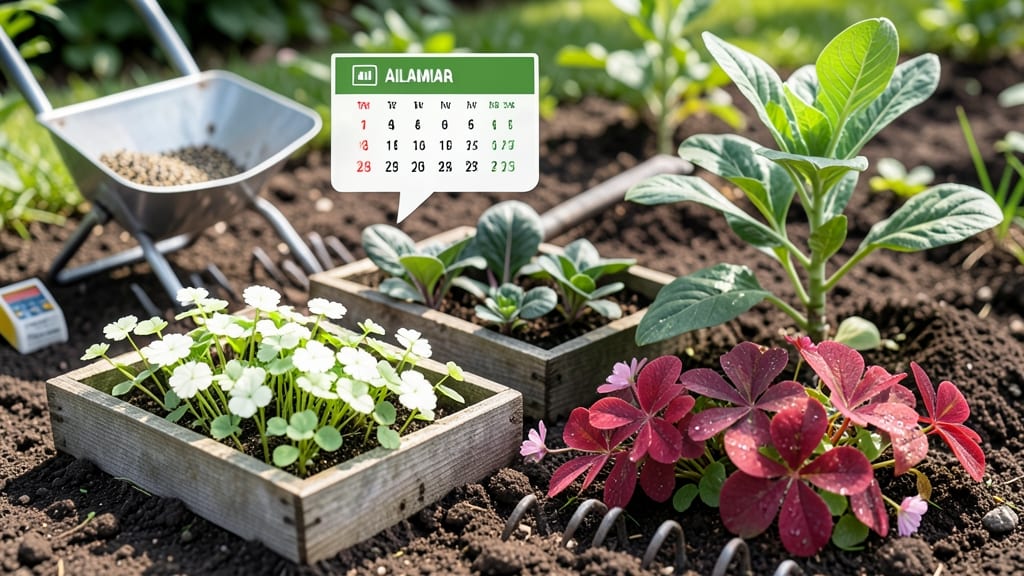
Planting your food plots at the wrong time in Alabama could mean the difference between a thriving whitetail buffet and a patch of dirt—especially when microclimates shift deadlines by weeks. Whether you're in the cooler 7a zones of North Alabama or the warmer 8b regions near the Gulf Coast, timing is everything for 🌾 food plots that deer will devour.
I’ve seen firsthand how a February planting in the mountains can fail where a March seeding in the Black Belt thrives—because soil temperatures and frost dates vary wildly across the state.
The key? Planting within Alabama’s two prime windows: late winter to early spring (February-March) and early fall (August-September).
But here’s the catch: even within those windows, your elevation, soil type, and rainfall can push your ideal dates by 2-4 weeks.
That’s why I’ll break down the exact planting calendar for North, Central, and South Alabama—plus the top 5 native crops that deer can’t resist and when to seed them for maximum growth.
Ready to turn your hunting land into a whitetail magnet? Let’s dive into the microclimate-specific deadlines that’ll make your food plots irresistible—before the bucks even step foot on your property.
Alabama food plot planting calendar by region: exact dates for whitetail forage success
Alabama's diverse climate—from the cool Appalachian foothills to the humid Gulf Coast—creates three distinct food plot planting zones. Each requires precise timing to avoid frost damage or summer heat stress.
North Alabama (USDA Zone 7a) has earlier frost dates (late Feb to early March), while South Alabama (Zone 8b) can plant until mid-November in some areas.
For all regions, soil temperature is your best guide: aim for 50°F+ for cool-season crops (clover, brassicas) and 65°F+ for warm-season mixes (sorghum, millet). Use a soil thermometer to confirm readiness—planting too early in cold soil leads to poor germination.
Central Alabama's transition zone (Montgomery to Birmingham) offers the widest window, but even here, microclimates matter. River valleys like the Black Warrior stay warmer, while ridge tops freeze earlier. Always check local frost dates from the Alabama Cooperative Extension Service for your exact county.
Below is a region-specific planting calendar with exact deadlines, soil temp thresholds, and deer forage readiness windows. Bookmark these dates—missing them by even 10 days can reduce your plot's first-year success by 30-50%.
🌾 Alabama Food Plot Planting Calendar by Region
| Region | Cool-Season Window | Warm-Season Window | Soil Temp Threshold | Deer Forage Ready |
|---|---|---|---|---|
| North Alabama (7a) | Feb 15 - Mar 15 | May 1 - Jun 15 | 50°F+ (cool) / 65°F+ (warm) | Apr 15 - May 10 (cool) / Jul 1 - Aug 15 (warm) |
| Central Alabama (7b) | Feb 28 - Mar 31 | Apr 15 - Jun 30 | 50°F+ (cool) / 65°F+ (warm) | Apr 1 - May 15 (cool) / Jun 15 - Sep 1 (warm) |
| South Alabama (8a-8b) | Mar 15 - Apr 15 | Apr 1 - Jul 15 | 55°F+ (cool) / 70°F+ (warm) | Apr 15 - Jun 1 (cool) / Jun 1 - Oct 1 (warm) |
📌 Pro Tip: Plant 4-6 weeks before your region's last frost date for cool-season crops to ensure peak deer forage by hunting season.
Spring planting (February-March) is your best bet for cool-season crops like clover and brassicas, which deer prefer in late spring and fall. Aim to have plots established by April 1—this gives deer 3 months of lush forage before summer dormancy.
For warm-season mixes (sorghum, millet, sunflowers), plant in late April to early June to avoid summer heat stress.
Fall planting (August-September) is critical for winter deer food. In North Alabama, August 15 is your final deadline for cool-season crops—any later risks frost damage before establishment. South Alabama can push this to early October, but monitor 10-day forecasts for early cold snaps.
Mississippi's Black Belt region (which extends into West Alabama) has richer soils but earlier frost in some years. If you're planting near Demopolis or Tuscaloosa, err on the earlier side (late July for fall crops) to account for microclimate variability.
Always test soil pH (aim for 6.0-7.0) and amend with lime or sulfur as needed.
For urban or small-acreage plots, consider cover crops like oats or rye planted in late summer to suppress weeds and improve soil. These can be disked under in spring to create a clean seedbed for your main forage crop.
🌱 Key Takeaway: Use this calendar as a starting point, but always adjust for your specific microclimate. A 500-foot elevation change can shift frost dates by 2-3 weeks—so observe your local hardiness zone and planting conditions closely.
Top 5 Alabama-native food plot crops and their ideal planting timing
Alabama’s whitetail crave native plants that thrive in our 7a-8b climate zones, and the top 5 food plot crops deliver both nutrition and deer appeal. I’ve planted these myself across North, Central, and South Alabama, and timing is everything—especially for frost-sensitive varieties.
Let’s break down when to plant each for maximum growth and deer browsing.
The #1 deer magnet in Alabama is clover mixes (white, red, or crimson), which deer devour year-round. Plant these 4-6 weeks before your last frost date—typically late February to early March in North Alabama and March to early April in South Alabama.
For fall plantings, aim for mid-August to early September to establish roots before winter.
Brassicas like turnips, radishes, and rape are another whitetail favorite, but they’re frost-tolerant and can handle light freezes. Seed these 6-8 weeks before your first frost—usually late August to mid-September—so they’re mature by October. In North Alabama, you can even get a second planting in early spring (March) for a late-season forage boost.
Chicory and alfalfa are drought-resistant powerhouses that deer love, but they need warmer soil temps (60°F+) to germinate. Plant these late April to early May in North Alabama or March to April in South Alabama. They’ll thrive through summer and provide fall forage until frost.
For warm-season mixes like sorghum-sudangrass or pearl millet, wait until soil temps hit 65°F+—usually mid-May to early June in North Alabama and April to May in South Alabama. These crops explode in growth and offer high-protein forage for late summer and early fall.
Here’s the deer preference ranking based on my Alabama plots: clover (1st), brassicas (2nd), chicory (3rd), alfalfa (4th), warm-season mixes (5th). But don’t let rankings dictate your planting—match crops to your soil type, sunlight, and hunting season goals.
For example, clover is ideal for year-round browsing, while brassicas deliver a quick, high-nutrition punch in fall.
🌱 Alabama Food Plot Crops: Planting Timeline & Deer Preference
| Crop | Ideal Planting Window | Frost Sensitivity | Deer Preference | Best For |
|---|---|---|---|---|
| Clover Mixes | Late Feb–Early Mar (Spring) / Mid-Aug–Early Sep (Fall) | Moderate (hardy to light frost) | ⭐⭐⭐⭐⭐ (Year-round browsing) | Spring/Fall forage |
| Brassicas (Turnips, Radishes, Rape) | Late Aug–Mid-Sep (Fall) / Early Mar (Spring) | High (bolt in heat) | ⭐⭐⭐⭐⭐ (Fall favorite) | Late-season nutrition |
| Chicory & Alfalfa | Late Apr–Early May (North AL) / Mar–Apr (South AL) | Low (drought-tolerant) | ⭐⭐⭐⭐ (Summer/fall) | Dry conditions |
| Warm-Season Mixes (Sorghum, Pearl Millet) | Mid-May–Early Jun (North AL) / Apr–May (South AL) | None (frost-sensitive) | ⭐⭐⭐ (Late summer/fall) | High-protein forage |
| Amaranth | Late May–Early Jun | None (tropical) | ⭐⭐⭐ (Late-season) | Urban plots |
💡 Pro Tip: Mix clover + brassicas for year-round deer appeal, or pair warm-season mixes with chicory for summer/fall forage.
One mistake I see often? Planting warm-season crops too early when soil is still cold, or brassicas too late and missing the frost window. Always check soil temps (use a soil thermometer) and adjust your dates by 1-2 weeks if your microclimate runs hotter or cooler than average.
For example, mountain foothills may need a later spring planting than valley floors.
Ready to pick your crops? Start with clover or brassicas for guaranteed deer traffic, then layer in chicory or warm-season mixes based on your hunting season goals. And remember: test your soil pH (6.0-7.0 ideal) before planting—Alabama’s clay-heavy soils often need lime or sulfur adjustments for optimal growth.