
Plants
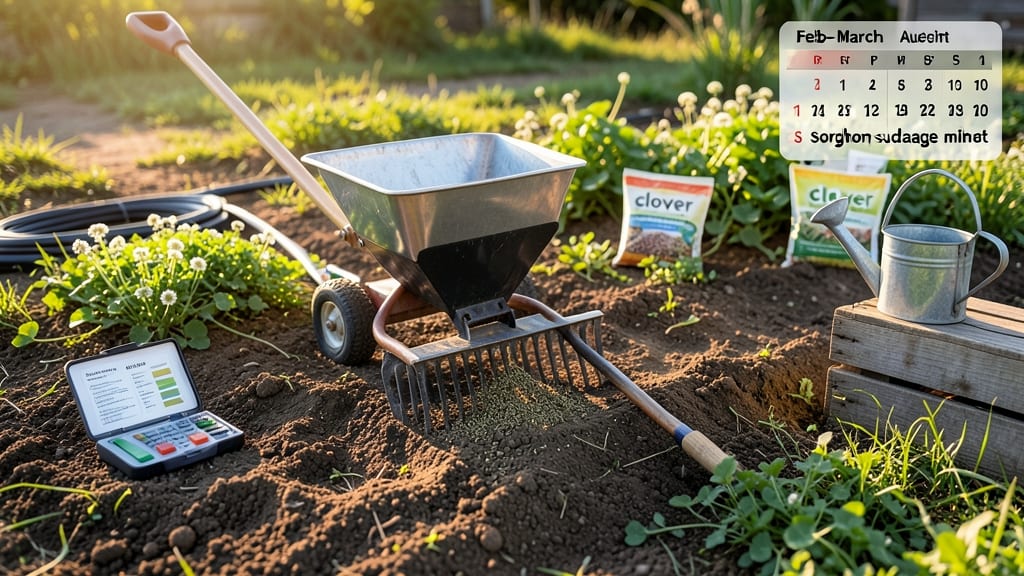
Timing your food plot planting in Florida wrong could mean the difference between a lush deer magnet and a wasted investment—especially with the state's chaotic mix of humidity, hurricanes, and sudden cold snaps.
I’ve watched too many hunters scratch their heads after planting at the wrong time, only to see their plots fail before the first frost warning even arrives. The key isn’t just following a generic calendar—it’s reading Florida’s three distinct microclimates and adjusting your strategy for fast, reliable growth.
Whether you’re planting clover for winter browsing or brassicas to beat the summer heat, I’ll break down the exact windows that work in North, Central, and South Florida—plus how to tweak your timing for unpredictable weather. Let’s get those plots thriving before the deer even know what hit them.
No more guessing games. Just proven deadlines, soil tricks, and backup plans to keep your food plots green and growing when it counts most.
Florida’s 3 microclimates & their ideal food plot planting windows
Florida’s food plot success starts with understanding its three distinct microclimates—each with unique frost risks, soil temperatures, and rainfall patterns. North Florida’s cooler winters demand earlier plantings, while South Florida’s mild climate allows year-round growth.
Central Florida sits in the middle, requiring careful timing to avoid late freezes.
I’ve planted food plots across all three regions, and the difference in establishment rates is staggering. For example, white clover thrives in North Florida’s fall windows but bolts in South Florida’s heat if planted too early.
Let’s break down the ideal planting windows for each microclimate to ensure your food plot becomes a deer magnet, not a failed experiment.
Here’s how Florida’s microclimates compare for food plot establishment, with key deadlines you can’t afford to miss:
| Microclimate | Frost-Free Period | Ideal Planting Windows | Key Crop Types | Soil Temp Threshold |
|---|---|---|---|---|
| North Florida | Nov–Mar (higher frost risk) | Aug–Sept (warm-season) / Oct–Nov (cool-season) | Sorghum, Rye, Clover | 60°F+ for warm-season |
| Central Florida | Dec–Feb (light frost risk) | Sept–Oct (warm-season) / Nov–Dec (cool-season) | Brassicas, Turnips, Clover | 55°F+ for cool-season |
| South Florida | Year-round (frost-free) | Aug–Sept (warm-season) / Dec–Jan (cool-season) | Sorghum, Millet, Brassicas | 65°F+ year-round |
North Florida’s cooler winters create a shorter window for cool-season crops like rye and clover. Plant too late, and you’ll miss the frost window entirely. In contrast, South Florida’s mild winters allow brassicas to grow year-round, but summer heat can stress plants if not irrigated properly.
Central Florida’s transition zone is where most hunters struggle—late freezes can wipe out early plantings. I recommend using fast-establishing blends like brassica mixes that mature in 30–45 days to outpace unpredictable weather. For example, turnips planted in November often survive Central Florida’s occasional December frost.
Rainfall patterns also dictate success. North Florida’s dry springs mean pre-plant irrigation is critical, while South Florida’s summer downpours can drown seeds if not planted in raised beds. Always check your local NOAA climate data for the past 5 years to spot trends in your specific area.
Pro tip: Use a soil thermometer to confirm planting readiness. Warm-season crops like sorghum need soil temps above 60°F, while cool-season clovers thrive at 55–65°F. Planting too early in cold soil leads to poor germination and slow growth.
For hunters chasing peak deer activity, align your planting with food scarcity. North Florida’s November–January food plot peak coincides with rutting season, while South Florida’s summer plantings attract deer during dry spells when natural forage is scarce.
Remember: Florida’s microclimates aren’t just about latitude—they’re shaped by elevation, proximity to water, and even urban heat islands. If you’re near the coast, account for higher humidity and salt spray that can stress young seedlings.
Critical planting deadlines by crop type for Florida hunters
Florida’s three distinct regions demand different planting strategies for your food plots. In North Florida, where frost can sneak in as early as November, timing is everything.
For brassicas like turnips and radishes, aim to plant between late August and early September to ensure they establish before cold weather hits. This gives you a 60-75 day window for deer to browse before winter sets in.
In Central Florida, your frost-free window extends slightly longer, allowing for two key planting windows: early spring (March) for brassicas and late summer (August) for warm-season mixes like sorghum.
These crops thrive in the 75-85°F soil temperatures that Central Florida offers during these months, ensuring rapid germination and growth.
South Florida’s frost-free climate lets you plant year-round, but focus on fall (October-November) for clover mixes and early spring (February-March) for brassicas. The key here is avoiding the peak summer heat, which can stress young plants. South Florida’s longer growing season means you can even double-crop some plots if managed correctly.
🌱
Brassicas (Turnips, Radishes, Kale)
Plant in North Florida: August-September or Central/South Florida: March or August for fall/winter browse. Aim for 60-75 day maturity before frost.
Clover Mixes (White Clover, Crimson Clover)
Best planted in fall (September-October) for winter establishment. In South Florida, spring (February-March) works too. Avoid planting in peak summer heat.
Warm-Season Mixes (Sorghum, Sudangrass, Millet)
Plant in April-May for summer browse. In South Florida, March-April is ideal. These crops hate frost, so avoid late plantings.
Avoid These Mistakes
Don’t plant brassicas in summer—they’ll bolt. Skip clover in peak heat—it struggles to germinate. Always check soil temps (use a soil thermometer) before planting.
For maximum deer activity, align your planting with peak browsing seasons. In Florida, deer rely heavily on fall (October-November) and early winter food sources, so prioritize clover and brassicas during these months.
Warm-season mixes like sorghum are perfect for summer when other forage is scarce, but they must be planted early to avoid heat stress.
Pro tip: Use a seed blend with fast germination rates (like 5-7 days) to beat Florida’s unpredictable weather. This gives you a buffer if rain delays planting or a sudden cold front moves in.
I’ve seen plots fail because the seeds took too long to sprout—don’t let that happen to you.
🌿