
Plants
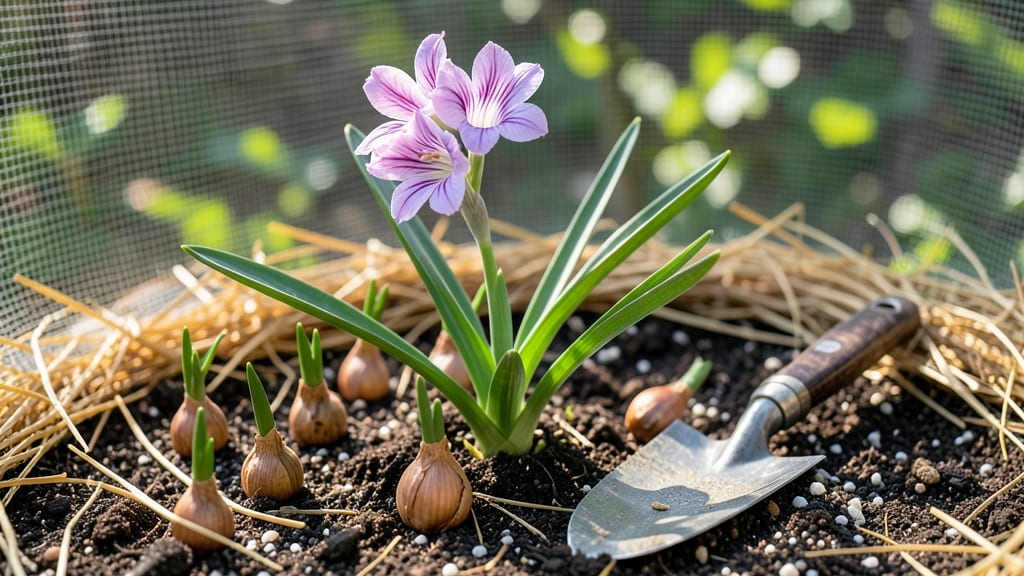
Most gardeners in USDA Zone 9a swear by planting between August and September, when soil temperatures are just right and frost risks fade.
But here’s the catch: Melbourne’s coastal areas and inland zones behave differently, meaning your perfect timing might vary by just a few weeks depending on where you live.
I’ve grown freesias in both Melbourne’s sunny suburbs and cooler microclimates, and I’ll show you exactly how to read your local conditions—whether it’s soil warmth, rainfall patterns, or even the last frost date—to nail your planting window. Skip the guesswork and get blooms that last from October through November.
Ready to transform your garden into a fragrant paradise? Let’s dive into the cool-season strategies that’ll have your freesias thriving when most other flowers are struggling to keep up.
Best planting times for freesias in Melbourne’s climate zones
Melbourne’s cool maritime climate creates unique challenges for freesia growers, with microclimates varying dramatically between coastal areas like St Kilda and inland suburbs like Sunbury.
The key to success lies in understanding soil temperature triggers and frost risk periods—both of which dictate whether you’ll get those fragrant spring blooms you’re dreaming of.
Freesias thrive in cool-season planting, but Melbourne’s last frost date (typically mid-June) and first frost date (around mid-August) create a narrow window for optimal results.
Unlike tropical regions, freesias won’t tolerate summer heat, so timing your planting to avoid peak Melbourne summers (December-February) is critical for bulb survival.
Here’s the golden rule: Aim to plant freesia bulbs when soil temperatures are between 10°C and 15°C. In Melbourne, this usually translates to late winter (August) or early spring (September).
Coastal areas like Mornington Peninsula can plant 1-2 weeks earlier due to milder microclimates, while inland areas like Bendigo should wait until mid-September to avoid unexpected frosts.
For year-round blooms, many Melbourne gardeners use a two-pronged approach: planting one batch in late winter for spring flowers and another in early autumn (April-May) for late-summer blooms. This staggered method works particularly well in protected microclimates like courtyards with afternoon shade or under deciduous trees.
| Zone | Ideal Planting Window | Soil Temp | Key Consideration |
|---|---|---|---|
| Coastal (e.g., St Kilda, Brighton) | Late August - Early September | 12-14°C | Milder frosts; can plant 1-2 weeks earlier |
| Northern Suburbs (e.g., Heidelberg, Preston) | Mid-August - Late August | 10-12°C | Warmer nights; avoid early planting |
| Inland (e.g., Sunbury, Bendigo) | Mid-September - Early October | 14-16°C | Later frosts; wait for stable temps |
| Eastern Ranges (e.g., Dandenongs) | Late August - Early September | 11-13°C | Cooler nights; protect from late frosts |
A common mistake among Melbourne gardeners is planting freesias too early in July—this often leads to dormant bulbs that rot before spring. To test if your soil is ready, push a thermometer 5cm deep; if it reads below 10°C, wait another 2-3 weeks.
For container gardening on balconies, use a heat mat to maintain optimal soil temps if planting early.
Another pro tip: Pre-chill bulbs for 6-8 weeks before planting if your Melbourne winter is particularly mild. Simply place them in a paper bag in the vegetable crisper of your fridge—this mimics natural winter conditions and boosts bloom quality.
I’ve found this makes a noticeable difference in freesia height and fragrance, especially in warmer inland suburbs.
For autumn planting (April-May), focus on shade protection as Melbourne’s summers intensify. Use 30% shade cloth if growing in full sun, and water deeply 2-3 times per week to prevent bulb dehydration. This second planting will reward you with late-summer blooms when many other flowers have faded.
Remember: Freesias are not frost-tolerant, so always plant after your last expected frost date. Check the Bureau of Meteorology’s frost forecasts for your suburb, and consider frost blankets if planting in high-risk areas like the Dandenong Ranges.
With the right timing, your freesias will outshine Melbourne’s best floral displays—and fill your garden with that unmistakable lemony fragrance.
Best planting times for freesias in Melbourne’s climate zones
Melbourne’s climate throws curveballs with its cool coastal breezes and warmer inland pockets, making freesia planting a game of precision. The ideal window spans August to September, but your exact timing depends on whether you’re near the bay or inland.
Coastal areas like St Kilda can plant slightly earlier, while Melton or Bendigo may need to wait until late August.
Freesias need soil temperatures between 10-15°C to sprout reliably. Use a soil thermometer to check—if it’s colder, wait. The last frost date (around August 15) is your cutoff for spring planting, but coastal zones often escape frost entirely, giving them a head start.
For autumn planting (less common but possible), aim for late March to early April when soil cools post-summer. This extends blooms into December, but requires shade protection in hot spells. Most gardeners skip this method due to Melbourne’s unpredictable heatwaves.
| Zone | Best Planting Window | Soil Temp | Frost Risk |
|---|---|---|---|
| Coastal (e.g., St Kilda) | Mid-August to early Sept | 12-15°C | Low (rare) |
| Inland (e.g., Bendigo) | Late Aug to mid-Sept | 10-13°C | Moderate |
| Balcony/Containers | Sept (warmer soil) | 13-16°C | None |
Pro tip: Test your soil’s moisture before planting—Melbourne’s winter rains can make ground soggy. Freesias hate waterlogged roots, so amend clay soils with coarse sand or perlite to improve drainage. In sandy soils (common inland), mix in compost to retain moisture.
Watch for bud formation in late September—this confirms your timing was spot-on. Coastal gardeners often see blooms by October 10, while inland plantings may take 2-3 weeks longer. The earlier you plant, the longer your vase life, but don’t rush—cold snaps can stunt growth.
For year-round blooms, stagger plantings every 2 weeks from August to October. This creates a continuous display until November, when freesias naturally fade. Just remember: shade cloth is your best friend in Melbourne’s 30°C+ summers—it prevents buds from dropping before opening.