
Plants
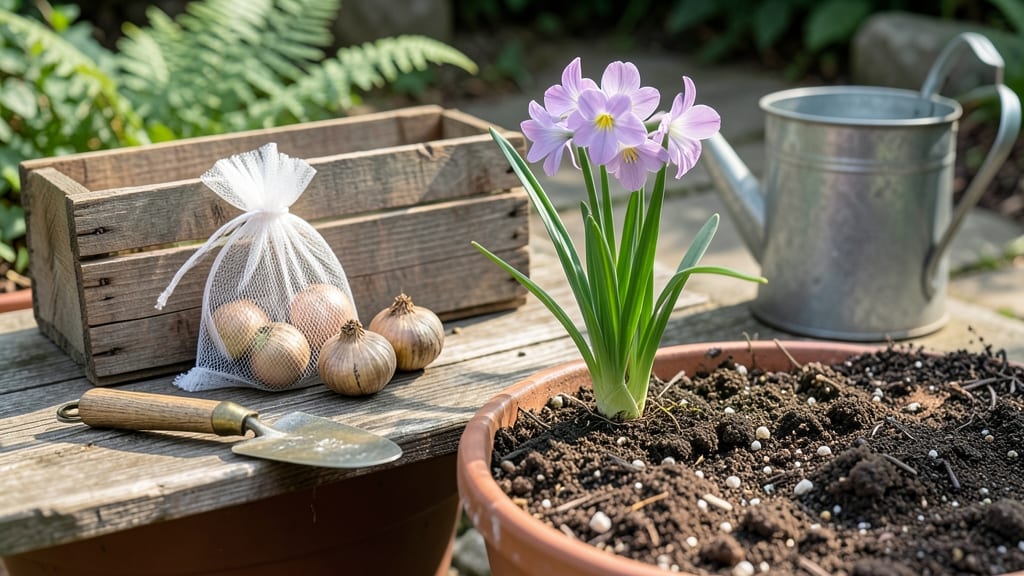
If you're dreaming of a garden bursting with fragrant freesias 🌸 this summer, timing your planting is the secret weapon you can't afford to miss.
The UK's unpredictable climate means getting those bulbs in the ground at just the right moment—whether it's autumn for spring blooms or spring for summer flowers—can make all the difference between a showstopping display and a disappointing flop.
Most UK gardeners swear by autumn planting, but is it the best choice for your region? From London's milder 8a zone to Cornwall's warmer 9b climate, the ideal window shifts depending on where you live.
I'll break down exactly when to plant for maximum blooms, so you can avoid common mistakes like planting too early and risking frost damage—or too late and missing the prime growing season.
What if you're growing freesias indoors instead? The rules change slightly, and I'll cover those adjustments too. We'll also dive into soil prep, spacing, and post-planting care to ensure your bulbs thrive.
With the right timing and a little know-how, you could be cutting fresh freesias for summer bouquets in just a few months.
Ready to transform your garden? Let's get those freesias planted at the perfect moment—because in the UK, getting it right means the difference between a few sad stems and a bountiful, fragrant explosion of color that'll have your neighbors asking for tips.
Optimal UK planting seasons for freesias: spring vs autumn timing explained
Freesias thrive in the UK’s mild climate, but their planting season depends entirely on when you want those fragrant blooms. Unlike some bulbs, freesias offer flexibility—you can plant for spring blooms or summer displays, but timing is critical to avoid frost damage or weak growth.
The UK’s regional climate variations mean gardeners in Cornwall can plant later than those in Scotland. For most areas, autumn planting (September-October) is ideal for spring blooms, while spring planting (March-April) targets summer flowers. Let’s break down the pros, cons, and key considerations for each approach.
🌱
Autumn planting gives freesias time to establish strong root systems before winter, ensuring robust growth when spring arrives. However, planting too late risks frost damage to emerging shoots.
For summer blooms, spring planting avoids winter risks but requires careful monitoring of soil temperatures—bulbs need to be in the ground before last frost dates (late April in London, early May in Cornwall).
In cooler regions like Scotland, aim for earlier autumn planting (August-September) to allow roots to develop before winter. Conversely, southern England gardeners can plant as late as October for spring blooms.
The key is ensuring bulbs are planted when soil temperatures drop below 20°C (68°F)—this triggers root growth without exposing them to frost.
🌡️
For container growing, timing shifts slightly. Plant in late winter (February-March) for summer blooms, as containers warm up faster than garden soil. Use well-draining compost and place pots in a sheltered, sunny spot to mimic ideal conditions.
Containers also let you move freesias indoors if frost threatens, giving you more flexibility with timing.
One common mistake is planting freesias too early in autumn—they’ll sprout prematurely and get damaged by frost. Conversely, planting too late in spring means bulbs may not establish before summer heat arrives.
The sweet spot is planting when soil is cool but workable—press your finger into the ground; if it feels damp but not soggy, it’s ready.
🌿
Pro tip: For a longer blooming season, stagger your planting. Divide your bulbs into two batches—plant half in autumn for spring blooms and half in early spring for summer flowers. This ensures fragrant freesias grace your garden from April through August, with minimal gaps between displays.
Optimal UK planting seasons for freesias: spring vs autumn timing explained
Most UK gardeners opt for autumn planting to produce stunning spring blooms 🌸, but spring planting can also yield gorgeous summer flowers. The key difference lies in the UK's frost risk and soil temperature—both critical for bulb establishment.
For spring blooms, plant freesias in September-October when soil temperatures drop below 20°C (68°F). This gives bulbs time to root before winter dormancy, ensuring robust growth when temperatures rise. Conversely, spring planting (March-April) targets summer blooms but requires careful monitoring for late frosts.
Here’s how the two approaches compare:
| Factor | Autumn Planting (Spring Blooms) | Spring Planting (Summer Blooms) |
|---|---|---|
| Planting Window | September-October | March-April |
| Soil Temp Requirement | Below 20°C (68°F) | Above 10°C (50°F) |
| Bloom Time | April-May | July-August |
| Frost Risk | Low (bulbs dormant) | High (late frosts) |
| Best For | Earlier garden color | Summer displays |
Regional climate plays a huge role. In Scotland and northern England, aim for earlier autumn planting (August-September) to avoid early frosts, while southern England and Wales can plant slightly later (September-October).
For spring planting, wait until after the last frost date—typically late April in London but early May in Scotland.
Indoor growers can plant freesias year-round, but timing still matters. Start bulbs indoors in late winter (February) for summer blooms, ensuring they receive 6+ hours of sunlight daily to mimic outdoor conditions. Use grow lights if natural light is limited.
Pro tip: If you want a continuous display, stagger your planting—some bulbs in autumn for spring blooms and others in spring for summer flowers. This ensures your garden stays fragrant from April through August!