
Trees
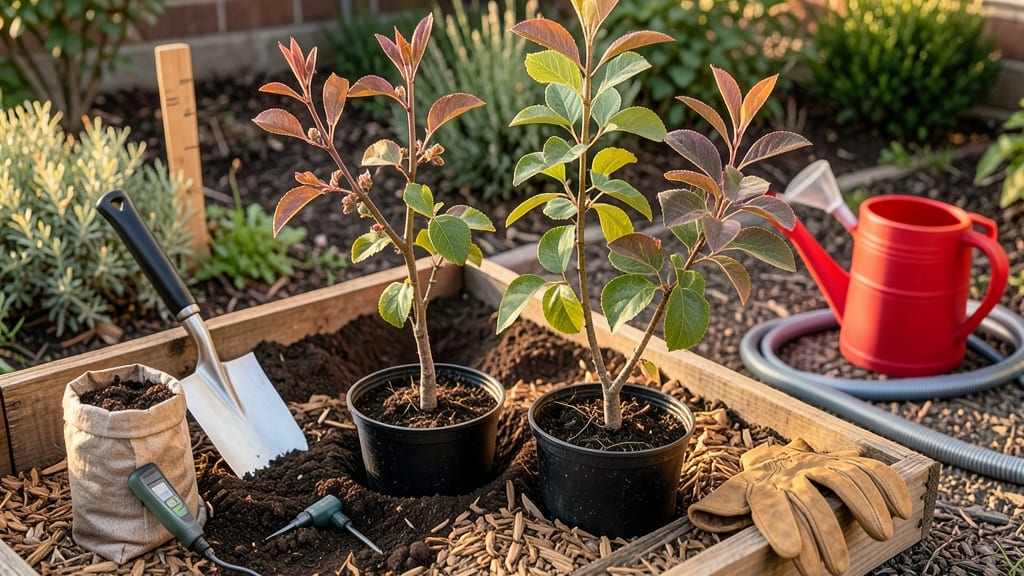
Timing your fruit trees 🍎 planting in South Australia can make or break their long-term success. Plant too early, and frost might damage tender roots; too late, and summer heat will stress young trees before they establish.
The best window—late autumn to early spring—aligns with cooler temperatures and ideal soil moisture, giving your trees the head start they need.
But here’s the catch: not all regions in South Australia play by the same rules. The Adelaide Hills and cooler zones like 8a-9b can handle earlier plantings, while the Riverland’s warmer microclimate demands a more precise schedule.
Whether you’re growing citrus, stone fruits, or pome trees, knowing the exact months to plant ensures your fruit trees thrive from day one.
I’ve dug into the data—frost dates, soil temps, and regional variations—to break down the optimal planting calendar for your area. You’ll learn how to adjust for fast-growing varieties like peaches versus slower growers like apples, and why March and April are the sweet spot for most gardeners.
Let’s get your fruit trees off to the strongest start possible.
Ready to avoid common pitfalls like heat stress or poor root growth? I’ll show you how to prep your soil, choose the right rootstock, and time your planting for maximum success—so you can enjoy homegrown fruit for years to come.
South Australia fruit tree planting calendar by region: best months for root establishment
South Australia’s diverse climate means your fruit tree planting window varies dramatically between regions. In the Adelaide Hills, cooler temperatures allow planting from March to May, while the Riverland’s warmer microclimate extends the ideal window until June.
The Fleurieu Peninsula and Eyre Peninsula fall somewhere in between, with frost risks dictating precise timing.
For most stone fruits like peaches and plums, aim to plant in late autumn (March-April) when soil temperatures are cool but frost-free. Pome fruits (apples, pears) thrive when planted in early spring (May) to avoid winter dormancy stress. Citrus trees, which prefer subtropical conditions, should go into the ground in late winter (August-September) for optimal root establishment.
Here’s how to match your region’s frost-free dates with the best planting months for your favorite fruit varieties:
In the Adelaide Hills, where frosts can linger until June, prioritize dwarf rootstock varieties for peaches and plums—they establish roots faster and recover better from cold snaps.
For the Riverland, where summer heat arrives early, deep watering before planting is critical to prevent shock during the first growing season.
If you’re in a coastal area like the Fleurieu Peninsula, take advantage of the milder winters by planting citrus trees in late winter (August). These trees benefit from the cooler soil temperatures before the heat of summer sets in.
In contrast, Eyre Peninsula gardeners should wait until April to plant stone fruits, as earlier planting risks dry soil conditions and poor root development.
Pro tip: Check your local Bureau of Meteorology frost alerts before planting. Even within a region, microclimates can shift planting windows by 2–4 weeks. For example, a north-facing slope in the Adelaide Hills may be
How to adjust planting time for different fruit trees: fast-growing vs. slow-growing varieties
Not all fruit trees follow the same planting schedule in South Australia—some thrive with early starts, while others need cooler conditions to establish. For fast-growing varieties like peaches and plums, aim for late autumn (March-April) when soil temps are ideal but frost risk is low.
These trees grow aggressively and need to establish roots quickly before summer heat sets in.
In contrast, slow-growing pome fruits such as apples and pears can handle slightly earlier plantings in cooler regions (Adelaide Hills, 8a-9b zones). Their deep root systems benefit from the extra time to settle, so February to early March works well.
Citrus and subtropical trees like figs and macadamias prefer late winter (August-September) to avoid heat stress.
The key is matching your tree’s growth rate to your region’s last frost date. For example, stone fruits in the Riverland (warmer zone) can go in as late as May, while apples in the Adelaide Hills need to be planted by April to avoid frost damage.
Always check your local frost-free window—this is your golden planting period.
| Fruit Tree Type | Best Planting Months | Growth Rate | Rootstock Tip |
|---|---|---|---|
| Stone Fruits (Peaches, Plums) | March-April | Fast | Use semi-dwarf rootstock for quicker harvests |
| Pome Fruits (Apples, Pears) | February-April | Moderate | Dwarf rootstock for small spaces |
| Citrus (Oranges, Lemons) | August-September | Slow | Container-friendly rootstock for flexibility |
| Subtropical (Figs, Macadamias) | September-October | Very Slow | Heat-tolerant rootstock for Riverland |
Rootstock choice can also extend your planting window. For example, dwarf rootstock helps trees establish faster, so you can plant stone fruits in May without risk. Meanwhile, standard rootstock gives you more time for root development, making February plantings safer for apples.
Always check your tree’s label for rootstock details—it’s your secret weapon for success.
One more pro tip: Citrus trees in South Australia’s cooler zones (Adelaide Hills, Fleurieu Peninsula) can be planted as late as October if you use microclimate protection like windbreaks or mulch.
This gives them time to root before winter chills set in. For peaches and nectarines, avoid planting after May—their roots need cool weather to establish before summer’s heat.
Remember, the soil temperature matters just as much as the calendar. Use a soil thermometer to check for 10-15°C (50-59°F)—this is ideal for most fruit trees. If your soil is too cold (below 10°C), wait a week or two. Patience now means stronger roots and bigger harvests later.