
Trees
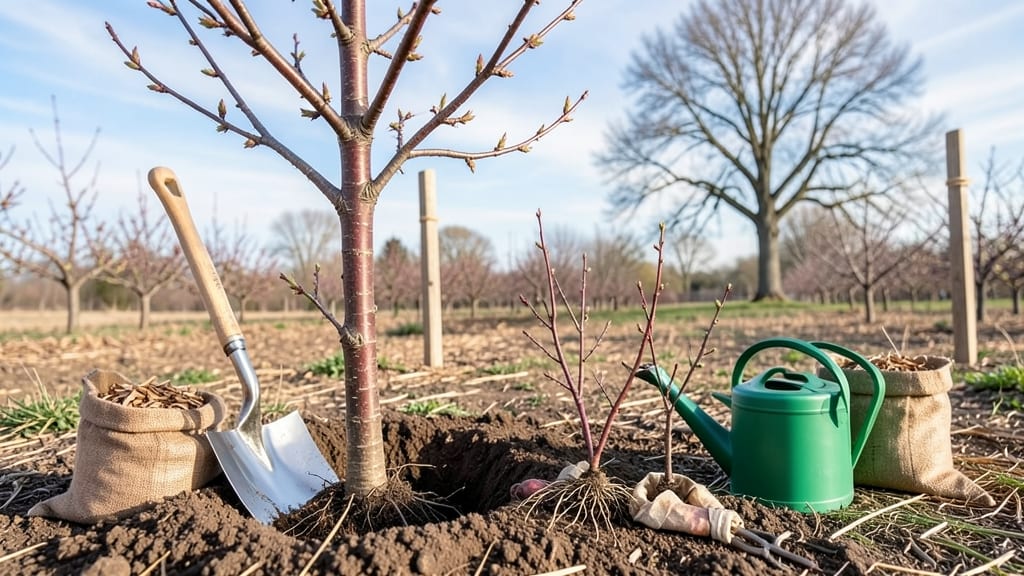
Timing your fruit tree 🍎 planting in Washington wrong could mean years of sparse harvests—or worse, dead trees. The perfect window isn’t just about spring, but matching your variety to the state’s chill-hour zones (like 5b-9a) to ensure fruit sets properly.
Let’s cut through the guesswork: Planting too early risks frost damage, while waiting too long means missed root growth before summer heat.
I’ll show you exactly when to dig in—whether you’re in the Puget Sound’s milder climate or Eastern WA’s colder stretches—plus how to prep soil and avoid costly mistakes that derail new trees.
You’ll discover the ideal February-April timeline for apples, cherries, and pears, plus how to tell when your tree’s ready to thrive. No more second-guessing—just a foolproof guide tailored to Washington’s unique growing seasons.
Ready to plant with confidence? Let’s get your orchard off to the right start—because the best time to plant a fruit tree was last year, but the second-best time is now.
Washington’s chill-hour zones: how to match fruit trees to your location
Washington’s diverse climate creates unique challenges—and opportunities—for fruit tree growers. The state spans USDA zones 5b to 9a, but the real game-changer is chill hours. These hours of winter temperatures between 32°F and 45°F determine which fruit trees will thrive in your yard.
Planting the wrong variety can mean no fruit production or poor yields, even with perfect care.
Western Washington (Puget Sound region) typically gets 800-1,200 chill hours, while Eastern Washington (like the Yakima Valley) often sees 300-600 chill hours.
This divide explains why apples and pears flourish in the west but struggle in the east—unless you choose low-chill varieties like ‘Honeycrisp’ apples or ‘Sugar Pearl’ pears.
To find your exact chill-hour zone, check the Washington State University Extension chill-hour map or use local weather data. For example, Seattle averages 1,000+ chill hours, while Pullman sees just 400-500. Matching your tree to these numbers is the first step to a fruit-filled future.
Once you’ve identified your chill-hour zone, soil type becomes the next critical factor. Western Washington’s soils are often acidic (pH 5.0-6.0), while Eastern WA soils tend to be alkaline (pH 7.0-8.0).
Most fruit trees prefer acidic soil (pH 4.5-6.5), so you may need to amend Eastern WA soil with sulfur or peat moss to lower the pH. Test your soil before planting—it’s a small step that prevents years of frustration.
Timing your plant purchase is just as important as timing the actual planting. Order bare-root trees in late winter (February-March) for Western WA or early spring (March-April) for Eastern WA.
Bare-root trees establish faster because their roots aren’t bound by soil. If you buy container-grown trees, plant them as soon as possible after purchase to minimize root stress.
Pro tip: Dormant planting (when trees are still bare) gives roots time to establish before spring growth begins. This is why late winter to early spring is the gold standard for Washington fruit tree planting.
In warmer microclimates (like the San Juan Islands), you can push planting to early April, but avoid summer planting—heat stress can kill young trees.
Don’t overlook wind protection, especially in exposed sites. Eastern Washington’s dry winds can desiccate young leaves, while Puget Sound’s coastal winds can stunt growth. Plant near a fence, hedge, or windbreak to shield delicate foliage during the critical first growing season.
Finally, remember that pollination matters—especially for apples, pears, and cherries. Plant at least two compatible varieties (e.g., ‘Honeycrisp’ and ‘Fuji’ apples) unless you choose self-pollinating types like ‘Sugar Pearl’ pears. Cross-pollination boosts fruit set, so plan your orchard layout with this in mind.
With the right chill-hour match and careful timing, your Washington fruit trees will reward you with bountiful harvests for decades. Start by testing your soil, ordering the right varieties, and planting in the dormant season—your future self (and your taste buds) will thank you.
Best planting months for Washington fruit trees by variety
Washington’s diverse climate means the best planting months for fruit trees vary by region and variety. In Western WA (Zone 7-8), like the Puget Sound area, late winter to early spring (February–April) is ideal.
Meanwhile, Eastern WA (Zone 5-6), with later frosts, benefits from planting in March–April to avoid spring freezes.
For apples and pears, which need 500–1,000 chill hours, aim for February–March planting. Cherries and plums, requiring 800–1,200+ chill hours, thrive when planted in March–April to sync with dormancy cycles. Peaches and nectarines, with lower chill needs (300–500 hours), can tolerate April–May planting in warmer inland areas.
Timing matters because young trees need 4–6 weeks to establish roots before last frost dates. In Western WA, last frosts hit March 15, while Eastern WA waits until April 15. Planting too early risks frost damage; too late delays root growth.
Soil preparation is just as critical as timing. Amend your soil with compost or aged manure to reach the ideal pH of 5.5–6.5.
In clay-heavy areas (common in Eastern WA), mix in sand or peat moss to improve drainage. Western WA’s loamy soils often need less amendment but benefit from mulch to retain moisture.
After planting, stake young trees if needed and apply 2–3 inches of mulch to protect roots. Water deeply (15–20 gallons) immediately, then weekly for the first month. This ensures your fruit trees start strong, whether you’re in rainy Seattle or drier Yakima.
Pro tip: Check your local frost dates (via Washington State University Extension) and adjust planting by 2–3 weeks if your microclimate runs cooler. For example, Mount Rainier’s foothills may need earlier planting than Spokane’s inland valleys.