
Planting
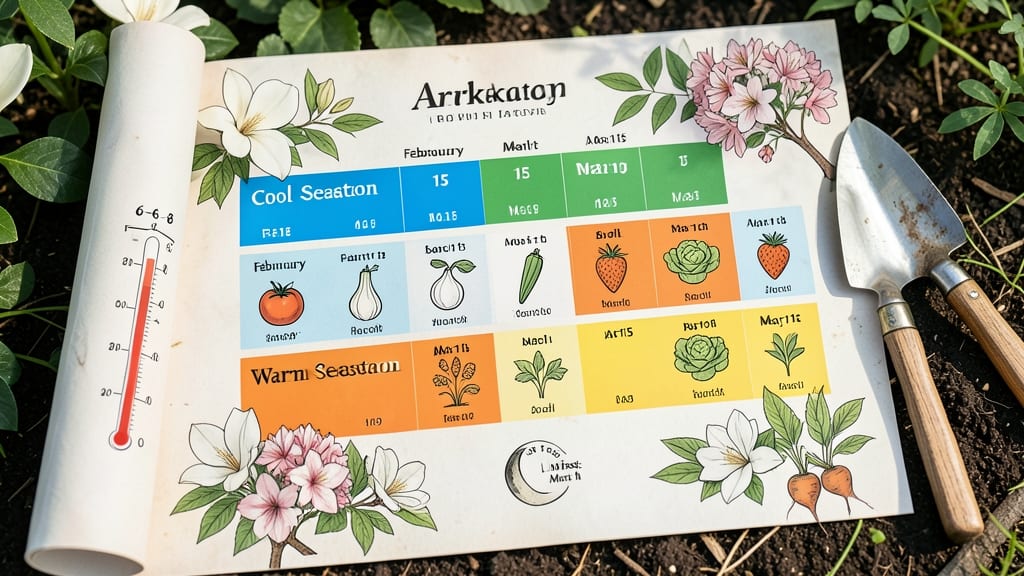
Figuring out when to plant garden in Arkansas can feel like guessing the weather—because, let’s be honest, Arkansas weather has a mind of its own. Whether you're dreaming of juicy tomatoes or fragrant azaleas, planting at the wrong time means frost damage or stunted growth.
For Zone 7a gardeners, timing is everything, especially with last frost dates hovering around March 15 to April 15. But here’s the kicker: even within Arkansas, microclimates like the Ozarks and Delta can shift those deadlines by weeks.
I’ll break down the exact windows for cool-season crops, warm-season favorites, and how to adjust for your specific corner of the state.
You’ll also discover how to stretch your growing season with simple tricks like row covers or succession planting—because nobody wants to miss out on a single harvest. Let’s get your 🌱 General Arkansas Garden off to the best possible start.
From soil prep to frost-proofing, this guide covers everything you need to know to avoid common mistakes and maximize your garden’s potential. Ready to dig in?
Arkansas Zone 7a planting deadlines by crop type (last frost dates)
Arkansas’ Zone 7a offers a 180-day growing season, but timing is everything. The average last frost date hovers around April 15, while the first frost typically arrives October 15.
However, microclimates like the Ozark Mountains can push these dates earlier by 2-3 weeks, while the Delta region may extend them slightly later.
Cool-season crops like lettuce and peas thrive when planted 4-6 weeks before the last frost. Warm-season favorites such as tomatoes and sweet potatoes need to wait until after the last frost—usually mid-April—to avoid stunted growth. Understanding these windows ensures your garden flourishes, not flops.
🌱
| Crop Type | Planting Window | Notes |
|---|---|---|
| Cool-Season Vegetables | Feb 15 - Mar 15 | Lettuce, spinach, peas, broccoli |
| Warm-Season Vegetables | Apr 15 - May 1 | Tomatoes, peppers, cucumbers, beans |
| Flowers (Annuals) | Mar 1 - Apr 15 | Marigolds, zinnias, petunias |
| Herbs | Mar 1 - Apr 30 | Basil, cilantro, parsley (cool) or rosemary, thyme (warm) |
| Fall Crops | Aug 1 - Sep 15 | Kale, carrots, radishes, turnips |
| Perennials (Bulbs) | Oct 1 - Nov 15 | Azaleas, daylilies, tulips |
For Zone 7a gardeners, soil temperature is just as critical as air temperature. Most warm-season crops need soil at 60°F or warmer, while cool-season crops prefer 40-50°F. Use a soil thermometer to avoid planting too early—especially for tomatoes and peppers, which wilt in cold soil.
In the Ozarks, where nights stay cooler, opt for heat-tolerant varieties like ‘Celebrity’ tomatoes or ‘Arkansas Traveler’ peppers. Meanwhile, the Delta’s warmer microclimate allows for earlier plantings of okra and sweet potatoes, which thrive in 90°F+ temperatures.
Don’t forget succession planting! For lettuce and radishes, sow seeds every 2 weeks from February to September to ensure a continuous harvest. This strategy maximizes your 180 frost-free days and minimizes wasted space.
If you’re planting azaleas or camellias, aim for fall planting (September-October) when roots can establish before winter. These acid-loving plants thrive in Arkansas’ humid climate but need well-draining, slightly acidic soil (pH 5.0-6.0).
For sweet potatoes, a Delta favorite, wait until after May 15—their long growing season (120+ days) means they need Arkansas’ hottest months to mature. Start slips indoors in April for a head start.
Pro tip: Use frost cloth to protect tender seedlings if an unexpected late frost threatens. Even in Zone 7a, April frosts can sneak in, especially in elevated Ozark areas.
🌿
How to extend Arkansas’ growing season for earlier or later plantings
Arkansas’ Zone 7a growing season is short—just about 180 frost-free days—but with the right strategies, you can push your harvests earlier or later. I’ve tested these methods in my own garden, and they’ve added 3-4 weeks to both ends of my planting calendar.
The key is protecting young plants from late spring frosts and extending warmth into fall harvests.
Start with cold frames or low tunnels for early spring plantings. These simple structures raise soil temperatures by 5-10°F, letting you plant lettuce, spinach, and peas as early as February in most of Arkansas.
I’ve even seen gardeners in the Ozarks start broccoli in January under these setups. Just remember: remove covers during the day to prevent overheating.
Row covers (floating fabric) are my go-to for protecting tomatoes, peppers, and eggplants after the last frost. They block 2-4°F of heat loss and shield plants from wind and pests. I use them until plants outgrow the cover, usually by late May. For fall extensions, these covers can keep kale and carrots growing until November.
Cold Frames vs. Row Covers
Cold Frames
- Pros: Extends season 4-6 weeks, warms soil, protects from wind
- Cons: Requires daily monitoring (ventilation), higher upfront cost
- Best for: Early spring plantings (lettuce, peas), fall harvests (spinach, radishes)
Row Covers
- Pros: Lightweight and portable, blocks pests, easy to remove
- Cons: Less heat retention than cold frames, must be secured
- Best for: Late frost protection (tomatoes, peppers), fall crops (broccoli, cabbage)
For heat-loving crops like okra, sweet potatoes, and southern peas, focus on succession planting. In Arkansas’ hot summers, these plants bolt quickly, so I plant new seeds every 2 weeks from May through July.
This ensures a steady harvest instead of one big fail. Pair this with shade cloth (30-50% coverage) to protect seedlings from intense midday sun.
Don’t overlook mulching—it’s one of the simplest ways to regulate soil temperature. A 3-inch layer of straw or leaves keeps roots cool in summer and warm in spring.
I’ve seen 2-3°F warmer soil in mulched beds, which helps warm-season crops like eggplants establish faster. Plus, it suppresses weeds, saving me hours of weeding each season.
Finally, choose heat- and cold-tolerant varieties bred for Arkansas’ extremes. For example, ‘Cherokee Purple’ tomatoes handle our 90°F+ summers better than standard varieties, while ‘Winterbor’ kale stays crisp through light frosts.
Seed packets often list days to maturity, so pick varieties that fit your extended season. My ‘Black Beauty’ sweet potatoes now thrive in fall plantings thanks to this strategy.
With these techniques, I’ve turned Arkansas’ short season into a year-round gardening opportunity. Start small—try one method this year—and watch your harvests stretch longer than ever before. Happy planting! 🌱🌿