
Plants
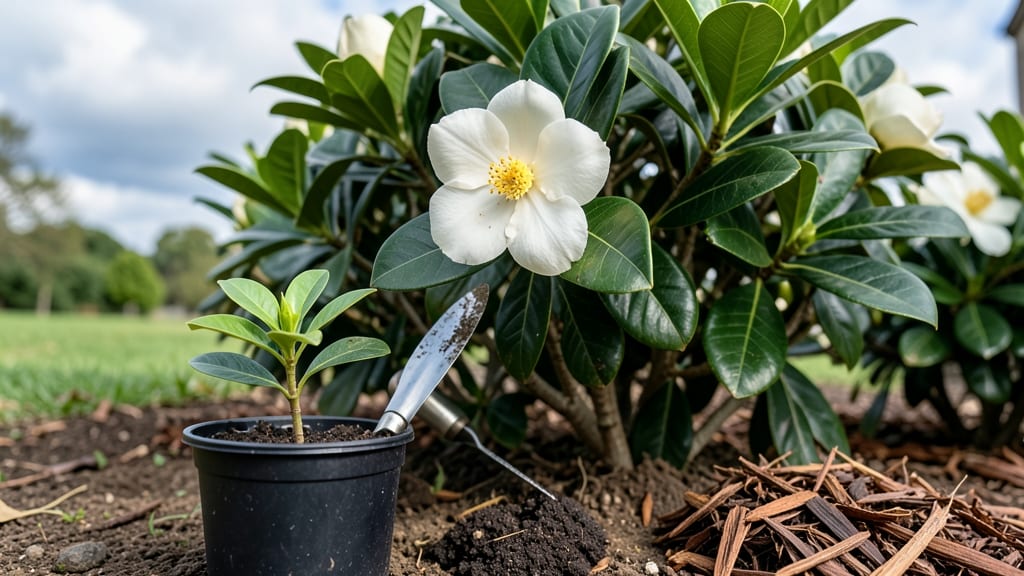
Planting gardenias in North Carolina at the wrong time can turn your dream shrub into a sad, frost-nipped statistic. The perfect window for these fragrant 🌸 beauties is after your last frost—typically March to April—but getting it wrong means waiting years for blooms (or worse, losing them entirely).
I’ve watched gardeners in Zones 7B and 8A make the same mistake: rushing plants into the ground too early, only to have a late cold snap wipe out their progress. The key isn’t just the calendar—it’s understanding your microclimate, soil prep, and even the type of gardenia you’re growing.
Here’s what you need to know: the right timing ensures your gardenias establish roots before summer heat sets in, and it’s all about avoiding those sneaky late-March frosts that can still linger in the Piedmont.
Whether you’re planting in-ground or containers, we’ll break down the exact steps to give your gardenias the best start.
Let’s cut to the chase—because in NC, waiting too long means missing the prime blooming season, and nobody wants that. Ready to plant with confidence?
Best planting windows for gardenias in NC zones 7B & 8A
North Carolina’s mild winters and humid summers create perfect conditions for gardenias—but timing your planting is critical. In Zone 7B, where last frosts can linger until mid-April, and Zone 8A, with slightly earlier warm-ups, your gardenias need frost-free soil to thrive.
Planting too early risks frost damage, while waiting too long may stunt root development before summer heat arrives.
My recommended planting window spans from late February (for Zone 8A) to mid-April (for Zone 7B), aligning with soil temperatures above 60°F. This ensures roots establish before summer’s heat peaks. For container-grown gardenias, you can push the window slightly earlier, as pots warm faster than in-ground soil.
Here’s the frost-free timeline you need to know for NC:
| Zone | Last Frost Date | Ideal Planting Window | Soil Temp Requirement | Risk Level |
|---|---|---|---|---|
| 7B (Piedmont) | Mid-April | Late March–Mid-April | 60°F+ | High (late frosts) |
| 8A (Coastal) | Early April | Late February–Early April | 55°F+ | Low (warmer microclimates) |
| Both Zones | N/A | May (backup window) | 65°F+ | Moderate (slower establishment) |
For Zone 7B gardeners, I recommend waiting until after April 15th to plant, as late frosts can still dip below 32°F. Use a frost watch from the NC State Climate Office to track local conditions.
In Zone 8A, you can start as early as late February, but monitor for unseasonable cold snaps, especially in inland areas.
If you’re planting bare-root gardenias, soak the roots for 2-3 hours before transplanting to reduce shock. For container-grown plants, avoid disturbing the root ball—gently remove the pot and place it in the hole to minimize stress.
Amend the soil with peat moss or sulfur to maintain the acidic pH (5.0–6.0) gardenias crave.
One common mistake is planting too deep, which can suffocate the roots. The root flare (where roots meet the stem) should sit just above soil level.
After planting, water deeply to settle the soil and encourage root spread. Mulch with 3–4 inches of pine bark to retain moisture and regulate temperature.
For container gardenias, the timing is more flexible. You can plant anytime after the last frost, but move pots indoors if nighttime temperatures drop below 50°F.
Containers dry out faster, so check soil moisture daily in summer and every 3–4 days in spring/fall. A self-watering pot can help maintain consistent moisture.
Pro tip: If you’re in Zone 7B and miss the spring window, don’t despair. Gardenias can handle light fall planting (until early October), but they’ll need extra winter protection, like a breathable frost blanket or mulch mound to insulate roots.
Finally, avoid planting in summer unless you’re in Zone 8A. The intense heat and humidity can stress young plants, leading to transplant shock or fungal diseases. If you must plant in summer, choose early June for the best chance of success.
Best planting windows for gardenias in NC zones 7B & 8A
North Carolina’s last frost dates are your gardenia’s lifeline—plant too early, and a surprise freeze will kill tender roots. In Zone 7B (Piedmont), aim for mid-April after the average last frost (around March 15), while Zone 8A (Coastal) gardeners can start as early as late February.
The key is soil temperature: roots won’t establish below 60°F.
For container-grown gardenias, you have more flexibility—transplant them 2-3 weeks after your local frost date. This gives roots time to adjust before summer’s heat. I’ve seen gardeners in Raleigh rush their plants in March, only to watch them struggle when April’s cold snap hits.
Here’s the golden window broken down by region:
| Zone & Region | Ideal Planting Window | Soil Temp Requirement | Key Risk |
|---|---|---|---|
| Zone 7B (Piedmont: Raleigh, Greensboro) | Mid-April to early May | 60°F+ (consistent) | Late frost (March 20s) |
| Zone 8A (Coastal: Wilmington, Fayetteville) | Late February to March | 55°F+ (minimum) | Humidity + fungal stress |
| Both Zones (Containers) | 2-3 weeks after last frost | 58°F+ (potted soil warms faster) | Root-bound stress |
If you’re in Zone 7B, wait until after April 15—this is when 90% of late frosts occur in the Piedmont. For Coastal gardeners, late February works if you’re using hardy varieties like ‘Kleim’s Hardy,’ but always check your local NC State Extension frost map.
Pro tip: Test your soil temperature with a thermometer before planting. If it’s below 60°F, wait another week. I’ve had gardeners in Asheville plant too early and lose their entire batch—don’t let that be you.
For fall planting, the window closes by September 15 in Zone 7B and October 15 in Zone 8A. Young gardenias need 6-8 weeks to root before winter, so don’t push it.
Remember: Gardenias hate soggy roots. Amend your soil with peat moss or pine bark to improve drainage, and mulch heavily to protect roots from temperature swings. With the right timing, you’ll have blooms by summer’s end—and that’s worth the wait. 🌸