
Plants
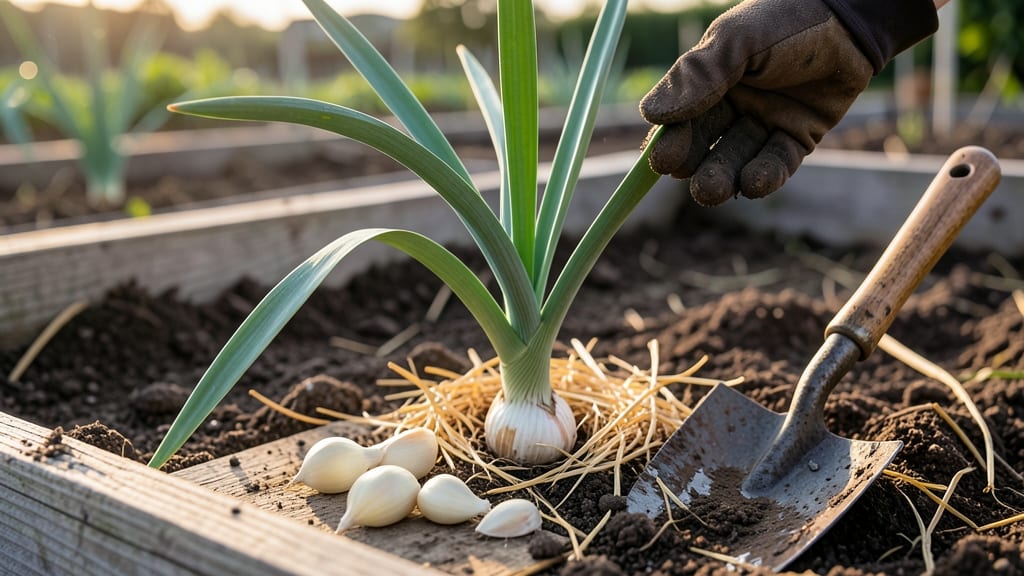
Timing your 🧄 garlic planting in Pennsylvania can make or break your harvest—get it wrong, and you might end up with weak bulbs or no harvest at all.
Unlike many plants, garlic needs a cold period to develop properly, which means fall planting is the golden rule for Pennsylvania’s USDA Zones 5b-7a.
Whether you’re growing hardneck varieties for braiding or softneck for long-term storage, knowing the exact window (October to November) ensures your cloves grow into plump, flavorful bulbs by next summer.
I’ve learned the hard way that planting too early or too late throws off the entire growing cycle. The key is to get those cloves in the ground 4-6 weeks before the first frost, giving them time to establish roots before winter sets in.
Pennsylvania’s climate varies by region—Erie’s cooler temps might shift your timeline slightly compared to warmer areas like Pittsburgh—but the principle stays the same: cold stratification is non-negotiable for bulb formation.
But here’s the good news: even if you miss the fall window, you can still plant in early spring (March), though the results may not be as robust.
I’ll walk you through the exact steps to prepare your soil, choose the right variety for your zone, and avoid common mistakes that waste seeds.
By the end, you’ll know exactly when to plant for a successful harvest in July or August, whether you’re a beginner or a seasoned gardener.
Let’s dive into the specifics—so you can skip the guesswork and start growing garlic like a pro. From soil prep to frost timing, I’ve got the insider tips to help your garden thrive in Pennsylvania’s unpredictable climate.
Pennsylvania garlic planting calendar: hardneck vs softneck months by Zone
Pennsylvania’s USDA Zones 5-7 create unique challenges for garlic growers, where timing is everything. Hardneck varieties like ‘Purple Stripe’ and ‘German White’ need cold stratification to form bulbs, while softnecks like ‘Silverskin’ tolerate slightly later planting.
Missing the window by even a few weeks can result in small, weak bulbs—or no harvest at all. Let’s break down the exact months and soil conditions for each variety across PA’s diverse microclimates.
Most Pennsylvania gardeners should aim to plant garlic 6-8 weeks before the ground freezes, typically between mid-October and mid-November. However, Zone 5b (e.g., Erie) has a shorter growing season, while Zone 7a (e.g., Harrisburg) can accommodate later plantings.
The key is ensuring garlic experiences 40-60 days below 40°F—critical for bulb formation. In Zone 6 (Pittsburgh area), this usually means planting by November 1.
🌱 Pennsylvania Garlic Planting Comparison
| Variety Type | Recommended Planting Window | Soil Temp Requirement | Days to Harvest | Best For |
|---|---|---|---|---|
| Hardneck (e.g., 'Purple Stripe', 'Music') | Zone 5b: Oct 15-Nov 1 Zone 6: Oct 15-Nov 15 Zone 7a: Nov 1-Nov 30 |
40-60°F for 40-60 days | 240-270 days | Bold flavor, scapes, Zone 5-6 |
| Softneck (e.g., 'Silverskin', 'Artichoke') | Zone 5b: Nov 1-Nov 15 Zone 6: Nov 1-Dec 1 Zone 7a: Nov 15-Dec 15 |
35-50°F for 30-45 days | 270-300 days | Storage life, braiding, Zone 6-7 |
⚠️ Critical Deadline: Plant hardnecks by November 15 in Zone 6 or risk poor bulb formation. Softnecks can handle later dates but may produce smaller bulbs.
For gardeners in Zone 5b (Erie, State College), where winters are colder, focus on hardneck varieties planted by October 31. These areas benefit from early planting to ensure sufficient cold exposure.
Meanwhile, Zone 7a (Harrisburg, Lancaster) gardeners have more flexibility, with softnecks like ‘California Early’ tolerating December plantings in mild winters. Always check your local frost dates—PA’s microclimates can vary by 2-3 weeks even within 50 miles.
One common mistake is planting garlic too early, which can lead to premature sprouting and weak bulbs. If you’re unsure about your frost date, use a soil thermometer to confirm temperatures stay below 50°F for 6 weeks.
For container gardening in PA, plant in October and move pots to a protected location if early frosts threaten. Containers warm up faster in spring, giving you a slight edge for earlier harvests.
Hardneck garlic planted in late November may still produce bulbs, but they’ll be smaller and less flavorful. Softnecks, however, can handle later plantings because they don’t require as much cold stratification. If you’re growing ‘Artichoke’ for long-term storage, aim for a December 1 planting date in Zone 6.
Remember: Soil temperature matters more than air temperature—use a moisture meter with a soil thermometer for accuracy.
Pro tip: If you miss the fall window, you can try spring planting in March, but bulbs will be smaller and less robust. For best results, store cloves in the fridge (not freezer) until planting.
This mimics the cold stratification garlic needs naturally. Whether you’re a hardneck purist or a softneck storage enthusiast, Pennsylvania’s climate rewards precise timing—so mark your calendar now!
🌱
5 Critical factors that determine garlic planting success in PA
Planting garlic in Pennsylvania isn’t just about timing—it’s also about creating the perfect growing conditions. I’ve found that soil pH, planting depth, sunlight exposure, and winter protection can make or break your harvest. Let’s break down these five critical factors to ensure your garlic thrives from clove to bulb.
First, your soil pH must be between 6.0 and 7.0 for optimal growth. Garlic hates alkaline soil, so if your garden bed tests higher, amend it with compost or peat moss before planting.
I once planted garlic in soil with a pH of 7.5, and the bulbs were half the size they should have been—don’t make that mistake!
Planting depth and spacing are often overlooked but crucial. Plant each clove 2 inches deep, with the pointed end facing up, and space them 6-8 inches apart. Crowding leads to competition for nutrients, while planting too shallow risks frost damage. Pro tip: Use a stick or dibber to create even holes for consistency.
⚠️ Critical Planting Depth Check
Too Shallow: Cloves freeze or heave out of soil in winter. Too Deep: Slows root growth and reduces bulb size. Aim for 2 inches deep—no exceptions!
Next, sunlight requirements can’t be compromised. Garlic needs full sun (6+ hours daily) to develop properly. In Pennsylvania’s partial-shade gardens, bulbs may form but will be smaller and less flavorful.
If your yard is shady, consider growing garlic in containers near a sunny wall or prioritize the sunniest spot in your garden.
Finally, overwintering protection is a game-changer. After planting, cover the bed with 4-6 inches of straw or leaves to insulate the soil. This mulch layer prevents heaving (cloves pushing out of the ground) and protects roots from freezing.
I’ve seen garlic beds without mulch produce 50% fewer bulbs—so don’t skip this step!
By mastering these five factors, you’ll transform your Pennsylvania garlic patch from hit-or-miss to consistently bountiful. The difference between a mediocre harvest and a showstopper crop often comes down to these details—so pay attention to the soil, depth, sun, and winter prep.
Your future garlic braids will thank you! 🧄