
Plants
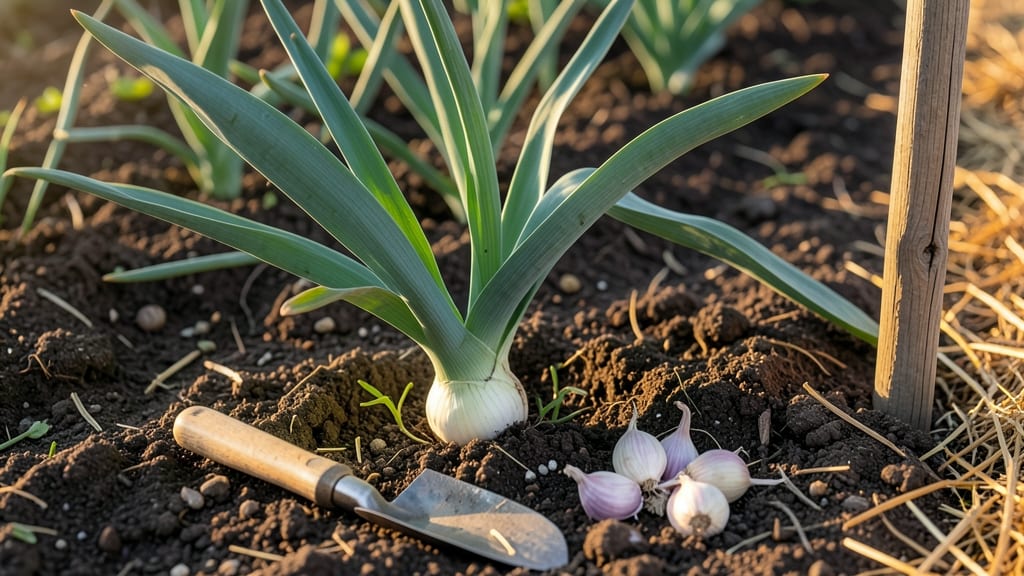
Planting garlic at the wrong time in Portland, Oregon can turn your 🧄 dreams into a soggy mess—especially in Zone 8A where mild winters and unpredictable frost dates play tricks on gardeners.
The secret to plump, flavorful bulbs lies in timing it just right, between October and November, when soil cools but hasn’t frozen solid.
But here’s the catch: Portland’s microclimates—from downtown’s urban heat islands to the cooler Willamette Valley—can shift your ideal window by 2-4 weeks. Plant too early, and your garlic might bolt; too late, and you’ll end up with puny cloves.
I’ll show you exactly how to read your local frost patterns and adjust for success, whether you’re in a city garden or rural farmland.
You’ll also discover why soil prep matters more than most guides admit, plus the 3 biggest mistakes Portland gardeners make (and how to avoid them). By the end, you’ll know not just when to plant, but how to set your garlic up for a harvest that’ll make your neighbors jealous.
Ready to grow garlic that’s bigger, bolder, and more reliable than ever? Let’s get those cloves in the ground the smart way.
Optimal planting windows for Portland garlic in zone 8A
Portland’s Zone 8A climate creates a unique challenge for garlic growers—plant too early, and you risk rot from winter rains; too late, and your bulbs stay small. The ideal window is mid-October to early November, when soil temps drop to 50–60°F but before hard frosts hit.
This timing gives garlic roots time to establish before dormancy, ensuring larger, flavorful bulbs by next summer.
Hardneck varieties like ‘German White’ or ‘Music’ thrive in Portland’s climate, while softneck types (‘Artichoke’) can handle slightly later plantings. The key is planting 4–6 weeks before ground freezes—typically by November 1st in most areas.
Use a soil thermometer to confirm temps are below 60°F but not frozen.
For maximum bulb size, aim to plant by October 15th. Garlic needs 10–12 weeks of cold (below 40°F) to form bulbs properly. If you miss this window, don’t panic—December plantings can still work but may yield smaller harvests. Just adjust expectations and care accordingly.
Urban gardeners in downtown Portland (warmer microclimates) may push planting to late October, while suburban areas like Beaverton or cooler zones like Hillsboro can plant as early as mid-September.
Always check your local frost dates—Portland’s average first frost is November 15th, but coastal areas like Sauvie Island can frost earlier.
| Planting Window | Best Varieties | Soil Temp | Bulb Size Potential | Microclimate Notes |
|---|---|---|---|---|
| Mid-October | Hardneck (German White, Music) | 50–60°F | Large (2–3 oz) | Best for inland areas |
| Early November | Softneck (Artichoke, Silverskin) | 40–50°F | Medium (1–2 oz) | Urban heat islands |
| Late November | Hardneck (Rockville, Chesnok Red) | 35–45°F | Small (0.5–1 oz) | Coastal areas (higher frost risk) |
🌱 Adjust dates 1–2 weeks earlier for high-altitude areas (e.g., Mount Hood foothills).
If you’re new to garlic growing, start with hardneck varieties—they’re more forgiving and better suited to Portland’s cool, wet winters. Plant individual cloves (not whole bulbs) 2 inches deep, pointed end up, and 4–6 inches apart in rows 12 inches apart.
This spacing prevents disease and makes harvesting easier.
Pro tip: Mulch heavily with straw or leaves after planting to protect cloves from freeze-thaw cycles and keep soil temps stable. In Portland’s wet winters, mulch also prevents cloves from rotting. Remove mulch in early spring (March) to let soil warm for regrowth.
For late starters, don’t despair—you can still plant garlic in December, but expect smaller bulbs. Focus on soil prep first: amend with compost and aged manure to improve drainage. Avoid planting after December 20th, as garlic needs at least 60 days of cold to form properly.
Remember, Portland’s microclimates vary wildly. Check with Oregon State University Extension for localized advice, or use a home weather station to track your specific frost dates. With the right timing, you’ll harvest plump, flavorful garlic by July or August—worth the effort!
How Portland’s microclimates affect garlic planting dates
Portland’s microclimates can shift your garlic planting window by 2–4 weeks, turning a "perfect" November date into a disaster if you’re in the wrong neighborhood. The city’s urban heat islands (like downtown) stay warmer longer, while cooler zones near the Willamette River or Mount Hood foothills frost earlier.
Even a 5-degree difference in soil temperature can mean the difference between large bulbs and tiny cloves.
For example, gardeners in downtown Portland (where pavement holds heat) might plant garlic as late as November 15th, while those in Hillsboro or Beaverton should aim for mid-October.
Coastal areas like Sauvie Island or Cannon Beach experience earlier frosts, so adjust your timeline 1–2 weeks earlier than inland zones. Use the Oregon State University Extension’s frost maps to pinpoint your local risk.
| Microclimate | Ideal Planting Window | Adjustment | Key Factor |
|---|---|---|---|
| Downtown Portland | Late Oct–Nov 15 | +2 weeks | Urban heat island |
| Suburban (Beaverton) | Mid-Oct–Nov 1 | Standard | Moderate climate |
| Coastal (Sauvie Island) | Early Oct–Oct 31 | –2 weeks | Earlier frost risk |
| Mount Hood Foothills | Late Sept–Oct 15 | –3 weeks | Higher elevation |
🌡️ Use a soil thermometer to confirm temps before planting.
To assess your microclimate, observe your garden’s frost patterns for 2–3 years. Note when neighborhood trees (like maples or cherries) lose leaves—this signals frost risk. Alternatively, place a frost-sensitive plant (like basil) in your garden in late summer to test frost dates.
If it dies by November 1st, you’re in a cooler zone.
Another trick: Check Portland’s historical frost data via the NOAA Climate Database. Enter your exact ZIP code to see average frost dates—this is more accurate than relying on citywide averages. For example, 97214 (North Portland) frosts 2 weeks earlier than 97205 (Pearl District). Adjust your planting date accordingly.
If you’re unsure, plant a test row 2 weeks earlier than your target date. If the cloves rot or sprout too early, you’ve planted too soon.
If they stay dormant, push your next planting 1 week later. This trial-and-error method helps you calibrate your microclimate without risking your entire harvest.
Pro tip: Elevate beds in cooler microclimates to delay frost. A raised bed warms up faster in spring and holds heat longer in fall, giving garlic extra growing time.
Just ensure it’s well-draining—Portland’s clay soil can suffocate garlic roots if waterlogged. Add compost and sand to improve drainage before planting.