
Plants
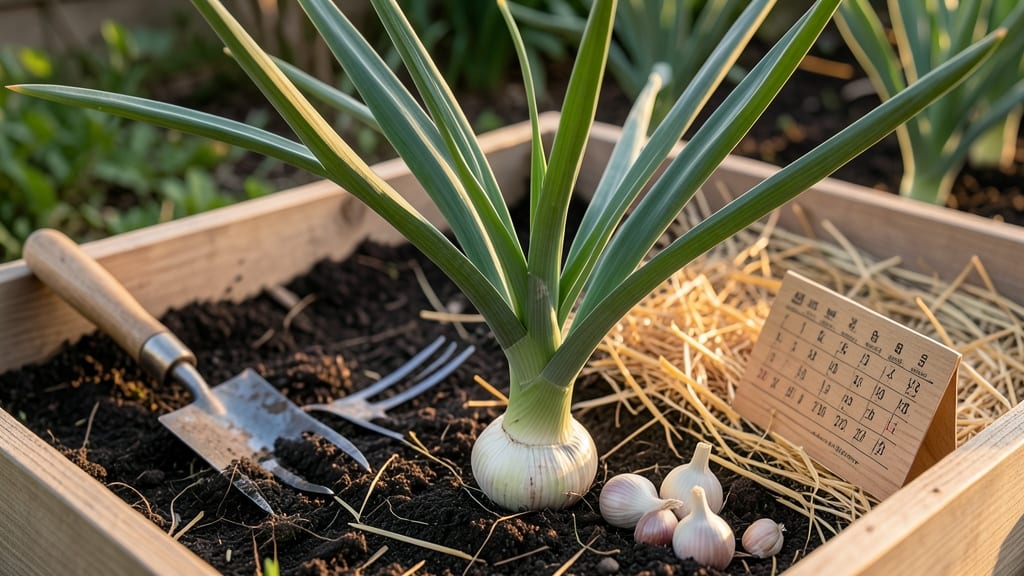
If you're growing 🧄 garlic in South Dakota, timing your fall planting could make or break your harvest—especially for hardneck varieties that thrive in your 4a-5b climate. Plant too early, and your cloves might rot; too late, and they won’t establish strong roots before winter.
The sweet spot? A window between September and mid-October, when soil temps drop but frost hasn’t yet set in.
Here’s the kicker: South Dakota’s unpredictable weather—think early snow or late-season warmth—means flexibility is key. Unlike spring-planted garlic, which struggles in your cold winters, fall-planted bulbs need time to root before the ground freezes.
We’ll break down exactly when to dig in, how to prep your soil for harsh winters, and which hardy varieties perform best in your region.
You’ll also discover how to adjust for unexpected frost or drought, ensuring your garlic survives until harvest season. Whether you’re a first-time gardener or a seasoned pro, these tips will help you grow bigger, healthier bulbs—without the guesswork. Let’s get your garlic off to the right start.
Ready to plant? Stick around for soil prep secrets, spacing tricks, and a month-by-month timeline tailored to South Dakota’s climate. Your future harvest depends on it!
Best fall planting dates for hardneck garlic in South Dakota’s climate zones
South Dakota’s USDA Zones 4a-5a create unique challenges for garlic growers. Unlike milder climates, hardneck varieties like 'German White' or 'Music' need cold stratification to form bulbs. Planting too early means cloves rot; too late, and they won’t establish roots before winter.
The key? 4-6 weeks before the first hard frost, typically by mid-October in most regions.
Western South Dakota (e.g., Rapid City) often experiences earlier frosts due to higher elevations. Aim to plant by September 20th to avoid winter heaving. Eastern areas (e.g., Sioux Falls) can push planting to October 15th, while the Black Hills may need adjustments for Zone 4a’s harsh winters.
Always check your local frost dates—they vary yearly!
Soil temperature is just as critical as air temperature. Garlic cloves need 40-50°F soil to sprout but won’t survive if planted in frozen ground. Use a soil thermometer to confirm readiness.
In dry years, wait until rains moisten the soil to 6 inches deep—this prevents cloves from drying out before roots form.
Here’s how South Dakota’s three main regions differ in ideal planting windows:
| Region | USDA Zone | Ideal Planting Window | Soil Temp Goal | Key Risk |
|---|---|---|---|---|
| Western SD (Rapid City) | 4a | Sept 15–Oct 5 | 40–50°F | Early frosts |
| Eastern SD (Sioux Falls) | 5a | Sept 25–Oct 15 | 45–55°F | Late frosts |
| Black Hills | 4a | Sept 1–Sept 25 | 40–48°F | Harsh winters |
Pro tip: Use hardneck varieties for South Dakota—they thrive in cold winters and produce scape shoots (edible flower stems) in summer. Avoid softneck garlic; it struggles with Zone 4a’s cold and won’t bulb properly. Popular choices include 'German White' (mild flavor) and 'Chesnok Red' (spicy, great for braiding).
If you’re in Zone 5a (southeastern SD), you can plant as late as October 20th, but prioritize soil warmth over calendar dates. Stick a thermometer in the ground—50°F is the magic number for root growth.
In drought-prone areas, water lightly after planting to help cloves settle into the soil without washing away.
Missed the fall window? Don’t panic! While spring planting is risky, you can try it in March if soil temps stay above 40°F. However, bulbs will be smaller and less flavorful.
For best results, mark your calendar now: aim for mid-September to early October in most of South Dakota. This gives cloves enough time to root before winter sets in.
One final tip: Plant in full sun (6+ hours daily) and choose a spot with well-draining soil. South Dakota’s clay-heavy soils in some areas can cause rot—amend with compost or sand if needed.
Test your soil’s pH (6.0–7.0 is ideal) before planting to avoid nutrient deficiencies that stunt bulb growth.
With the right timing and prep, your hardneck garlic will overwinter beautifully and reward you with bold, flavorful bulbs by next summer. Happy planting! 🌱
Critical pre-planting steps to ensure strong garlic bulbs in South Dakota
Before you even think about planting your garlic cloves, South Dakota’s cold winters and dry winds demand special prep work. The key is giving your garlic a strong foundation so it can withstand freezing temperatures and still produce those plump bulbs we all love.
Start by testing your soil pH—garlic thrives in slightly acidic soil between 6.0 and 7.0.
If your soil is heavy clay (common in eastern SD), mix in 2-3 inches of compost or well-rotted manure to improve drainage. For sandy soils (common in western regions), add organic matter like peat moss to help retain moisture. Remember, garlic hates soggy roots, so well-draining soil is non-negotiable.
Now for the cloves themselves—size matters! Choose large, plump cloves from hardneck varieties like 'German White' or 'Music', which perform best in your climate. Break apart any bulbs you’ve saved from previous harvests, but only use the largest cloves—they’ll produce the biggest bulbs.
Smaller cloves mean smaller harvests, so don’t skimp here!
South Dakota-Specific Warning
Don’t plant garlic too deep—2 inches max—or it’ll rot before spring. In Zone 4a areas (like the Black Hills), use straw mulch (not leaves) to insulate bulbs. Heavy snow cover helps too, but if your garden gets little snow, add an extra 4-6 inches of straw after planting.
Spacing is another game-changer. Plant cloves 4-6 inches apart in rows that are 12 inches apart. This gives your garlic room to grow without competing for nutrients, which is especially important in South Dakota’s nutrient-poor soils.
If you’re planting in raised beds, keep rows 6 inches apart to maximize space.
One final pro tip: Plant in full sun—garlic needs at least 6 hours of sunlight daily. In South Dakota, this means choosing a south-facing spot where your garlic gets unobstructed light from early morning to mid-afternoon.
Shade from nearby trees or fences can stunt growth, especially in short summer days.
After planting, cover the bed with straw mulch (not hay, which can harbor weeds). This protects against temperature swings and prevents soil heaving during freeze-thaw cycles. In western SD, where winds are fierce, a windbreak like corn stalks or bramble fencing can also help your garlic establish before winter.