
Plants
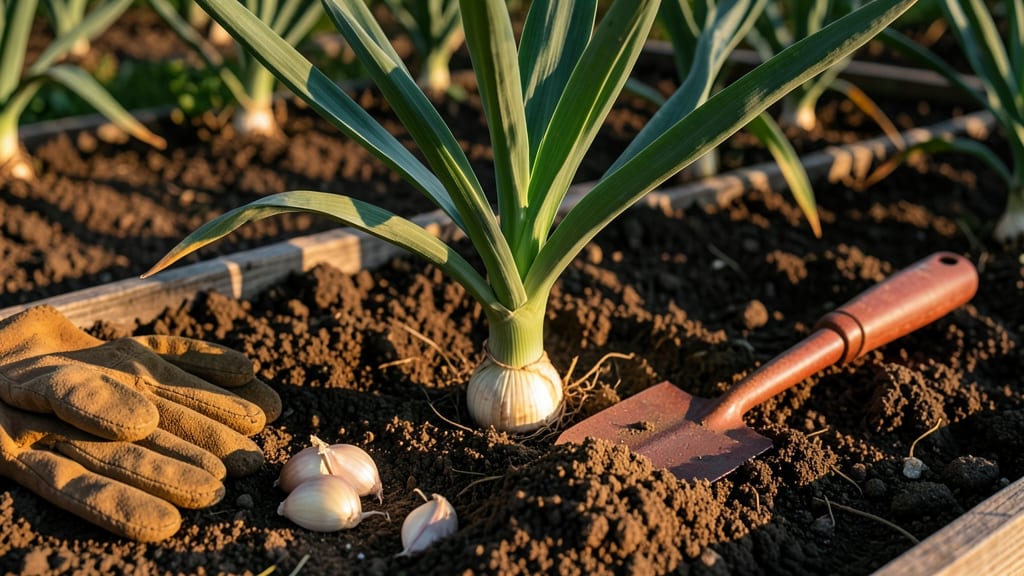
Timing your garlic planting in Tucson isn’t just about the calendar—it’s about beating the desert’s unpredictable swings from 100°F days to sudden freezes. Miss the 6-week window before your last frost, and you’ll end up with stunted cloves or worse, no harvest at all.
Here’s the hard truth: most gardeners in USDA Zone 9b plant too late, assuming cooler temps mean safety. But Tucson’s microclimates—especially at higher elevations—demand precision. The sweet spot? Mid-October to early November, when soil temps dip below 70°F but frost still looms.
Why does this matter? Because garlic needs cold exposure to form bulbs, but too much heat or a surprise freeze will kill your crop before it starts.
I’ll show you exactly how to read Tucson’s weather patterns like a pro, adjusting for elevation and variety, so you can plant with confidence.
Skip the guesswork and learn the 3 microclimate tweaks that separate a 5-clove bulb from a 20-clove monster—starting with the one thing most Tucson gardeners overlook.
Best planting weeks for garlic in Tucson’s low-desert microclimates
Tucson’s three distinct microclimates—low desert, mid-desert, and high desert—each demand different planting windows for garlic success. The low desert (1100’ elevation), where most home gardens thrive, has the narrowest window due to heat stress and frost risk.
Planting too early exposes cloves to scorching summer heat, while waiting too late risks early winter freezes that stunt root development.
For the low desert, aim to plant garlic cloves between mid-October and mid-November.
This 6-week window aligns with soil temperatures dropping to 60-65°F, ideal for root establishment before winter. Hardneck varieties like ‘Inchelium Red’ handle Tucson’s cold snaps better than softneck types, but all benefit from mulching to insulate roots.
Mid-desert gardens (2000’ elevation) can plant slightly later—late October to early December—thanks to cooler nights and lower frost risk. Here, German White excels, maturing faster in the shorter growing season. High-desert areas (4000’+) follow mountain garlic traditions, planting as late as December for a summer harvest.
Use this comparison table to pinpoint your elevation-specific planting window, soil prep needs, and frost protection strategies:
| Microclimate | Elevation | Best Planting Window | Soil Temp Goal | Frost Risk | Top Variety |
|---|---|---|---|---|---|
| Low Desert | 1100’ | Mid-October – Mid-November | 60–65°F | High (Jan 15) | Inchelium Red |
| Mid-Desert | 2000’ | Late October – Early December | 55–60°F | Moderate (Dec 1) | German White |
| High Desert | 4000’+ | December – Early January | 50–55°F | Low (Feb 1) | California Early |
Pro tip: Test soil temperature with a soil thermometer before planting. Cloves won’t sprout until soil hits 50°F, but roots grow best between 60-65°F. In low-desert areas, wait until afternoon highs drop below 80°F to avoid heat stress during germination.
If you’re in the low desert and miss the October-November window, don’t despair—December planting can still work for softneck varieties like ‘Silverskin’. These types mature faster and tolerate warmer soils, but expect smaller bulbs compared to fall-planted garlic.
For hardnecks, December planting risks bolting (premature flowering) due to Tucson’s unpredictable spring warmth.
Elevation matters more than calendar dates in Tucson. A 1000’ difference can shift your frost window by 2-3 weeks. Use your local CoCoRaHS weather station data to fine-tune timing.
For example, Sahuarita (1500’) gardens often plant 2 weeks later than Tucson’s downtown core (2400’) due to urban heat island effects.
After planting, mulch heavily with straw or wood chips to maintain consistent soil temps. In low-desert areas, mulch should be 4-6 inches deep to protect cloves from temperature swings between day and night. Remove mulch in late winter to prevent rot as soils warm.
Remember: Tucson’s garlic success hinges on one rule—plant when soil temps stabilize below 70°F and daytime highs drop below 85°F. This usually lands in late October, but always adjust for your microclimate.
With the right timing, you’ll harvest plump, flavorful bulbs by April or May—just in time for farmers’ market season! 🌱
Best planting weeks for garlic in Tucson’s low-desert microclimates
Tucson’s three distinct microclimates—low-desert, mid-desert, and high-desert—each demand different garlic planting windows. The low-desert (1100’ elevation), where most Tucsonans live, has the narrowest window: late October to early November.
This zone typically sees its last frost around January 15, so planting too early risks heat stress, while late planting may not provide enough cold for bulb formation.
For mid-desert (2000’ elevation), like the Catalina Foothills, push planting back to early November. Cooler nights here allow a slightly later start, but don’t delay past November 15—frost risk increases sharply after that.
At high-desert elevations (4000’+), such as Mount Lemmon, garlic thrives when planted in September, taking advantage of cooler temps year-round.
Here’s the critical rule: Soil temperature must drop below 70°F before planting. Use a soil thermometer to confirm—garlic won’t sprout in heat. In Tucson’s low-desert, soil temps hit this threshold around mid-October, but monitor weekly for accuracy.
| Microclimate | Elevation | Ideal Planting Window | Soil Temp Threshold | Frost Risk |
|---|---|---|---|---|
| Low-Desert | 1100’ | Late Oct - Early Nov | Below 70°F | Low (Jan 15) |
| Mid-Desert | 2000’ | Early Nov | Below 65°F | Moderate (Dec 1) |
| High-Desert | 4000’+ | September | Below 60°F | High (Nov 15) |
Pro tip: Hardneck varieties like ‘German White’ need 40-60 days below 40°F to form bulbs, while softneck types like ‘Silverskin’ tolerate milder winters. In Tucson’s low-desert, hardnecks planted in late October will get enough cold, but softnecks can stretch to early November safely.
One common mistake? Planting garlic in September for a summer harvest. Tucson’s heat will sterilize the soil before bulbs form. Instead, focus on fall planting—this ensures garlic spends winter growing roots and spring forming bulbs when temps cool.
For maximum bulb size, aim to harvest by late May. After that, bulbs split and lose quality. In Tucson’s climate, this means planting garlic 6-8 weeks before your first frost date—a tight window that rewards precision.