
Plants
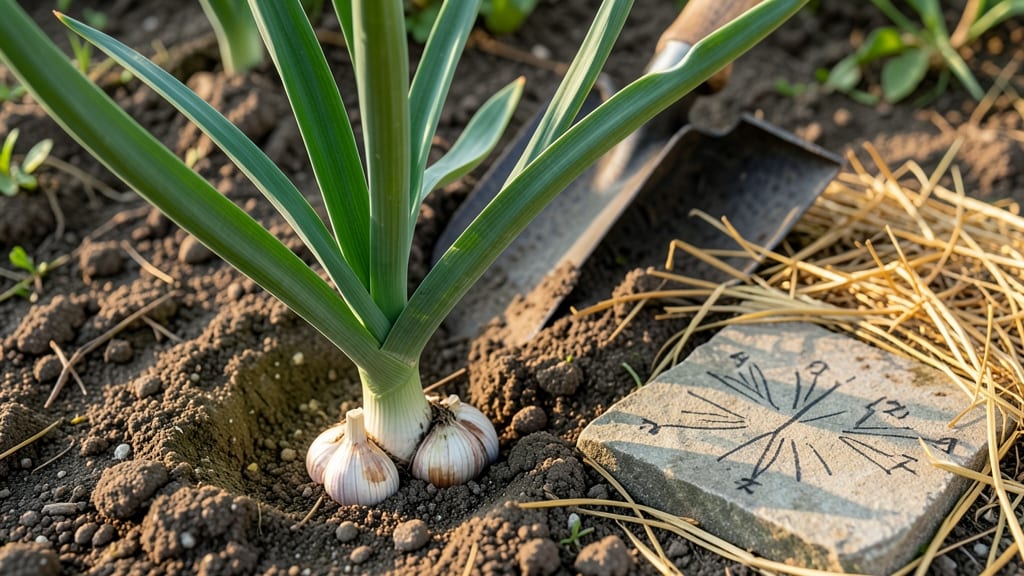
If you’ve ever wondered when to plant garlic in VA, the answer might be simpler than you think: Virginia’s climate demands precise timing. Planting too early risks frost damage, while waiting too late can stunt growth before winter sets in.
For gardeners in zones 7a-8a, mastering the October-November window is the key to plump, flavorful harvests by next summer.
Here’s the catch: Virginia’s varied microclimates—from the cooler highlands to the milder coastal areas—mean what works in one region might fail just 50 miles away.
I’ll break down exactly how to adjust your planting schedule based on your specific corner of the state, so you can avoid common mistakes and maximize your yield.
Beyond just dates, we’ll cover how to prep your soil, select the right cloves, and protect your crop from Virginia’s unpredictable weather. Whether you’re a seasoned gardener or just starting, these insights will help you double your harvest without the guesswork.
Ready to grow garlic that rivals the best at farmers' markets? Let’s dive into the science—and secrets—behind Virginia’s perfect planting timeline.
Best planting months for garlic in Virginia’s climate zones
Virginia’s USDA zones 5b-8a create a unique challenge for garlic growers—get the timing wrong, and you’ll either lose your crop to early frost or end up with small, underdeveloped bulbs.
The ideal planting window is October through November, but the exact timing depends on your specific zone and whether you’re growing hardneck or softneck varieties.
Hardneck garlic, prized for its flavorful cloves and scape production, thrives in Virginia’s cooler zones (5b-7a). Softneck varieties, which store longer but have milder flavor, do better in warmer zones (7b-8a). Both need 4-6 weeks before the ground freezes to establish roots properly.
Here’s how Virginia’s zones break down for garlic planting:
In highland Virginia (zones 5b-6a), like the Shenandoah Valley, aim to plant by mid-October—any later, and winter’s harsh frosts will damage emerging cloves. Meanwhile, coastal Virginia (zones 7b-8a) gardeners can push planting to early November, as milder winters delay frost.
Pro tip: Use a soil thermometer to confirm temperatures are consistently below 50°F (10°C) before planting. This ensures roots establish before winter dormancy sets in.
For hardneck varieties, which produce scape shoots in spring, planting earlier (October) gives them more time to develop robust bulbs. Softneck varieties, like those used for braiding, prefer slightly later planting (November) to avoid winter stress.
Remember, Virginia’s first hard frost typically arrives in mid-November, but microclimates—like urban heat islands or sheltered garden beds—can delay frost by 1-2 weeks. Use this to your advantage by adjusting planting dates accordingly.
If you’re unsure about your exact zone, check the Virginia Cooperative Extension maps or use the USDA Plant Hardiness Zone Map to pinpoint your location. This small step can save you from a failed garlic harvest!
Once you’ve nailed the timing, focus on soil prep—garlic loves well-draining, slightly acidic soil (pH 6.0-7.0). Work in compost or aged manure before planting to give those bulbs the nutrients they need for a bumper crop.
🌱
Best planting months for garlic in Virginia’s climate zones
Virginia’s USDA zones 5b-8a create a nuanced timeline for planting garlic, but the golden window is October through mid-November. This aligns with soil temperatures dropping to 50-60°F, signaling garlic cloves to root before winter dormancy.
In cooler highland regions (like the Blue Ridge Mountains), aim for early October—soil freezes faster, leaving little room for error.
Warmer coastal areas (e.g., Hampton Roads) can stretch planting until late November, but never after the first hard frost. Softneck varieties tolerate slightly later planting, while hardneck garlic—Virginia’s favorite for scapes—demands precision. My rule? Plant 4-6 weeks before the ground freezes to ensure roots establish before winter.
| Virginia Region | USDA Zone | Best Planting Window | Soil Temp Threshold | Key Variety |
|---|---|---|---|---|
| Highland (Blue Ridge) | 5b-6a | Early October | 50-55°F | Hardneck (e.g., 'Music') |
| Piedmont (Richmond) | 7a-7b | Mid-October to Nov 1 | 55-60°F | Hardneck or Softneck |
| Coastal (Norfolk) | 8a | Late October to Nov 15 | 60-65°F | Softneck (e.g., 'Silverskin') |
| Valley (Roanoke) | 6b-7a | Mid-October to Nov 10 | 52-58°F | Hardneck (e.g., 'German Red') |
Pro tip: Use a soil thermometer to confirm temps. If your garden’s soil stays above 60°F into November, opt for softneck varieties—they handle warmer soils better. For hardnecks, cooler soils (50-55°F) trigger the scape formation that makes them prized in kitchens.
Missed the window? Don’t panic. While fall planting is ideal, you can still try December in milder zones (8a), but bulbs may be smaller. The key is ensuring 60+ days of cold dormancy before harvest—Virginia’s climate delivers this naturally if planted before the first hard frost.
For maximum bulb size, pair correct timing with well-draining soil and a sunny spot. I’ve found that adding compost in early fall gives garlic the nutrients it craves for spring growth. Mulch with straw after planting to insulate roots through winter—this is non-negotiable in Virginia’s frost-prone zones.
Remember: Garlic planted in Virginia’s fall grows through winter, emerges in spring, and matures by summer. The earlier you plant in the ideal window, the larger your bulbs will be by harvest. Don’t wait until soil temps drop below 50°F—that’s when garlic roots struggle to establish.