
Plants
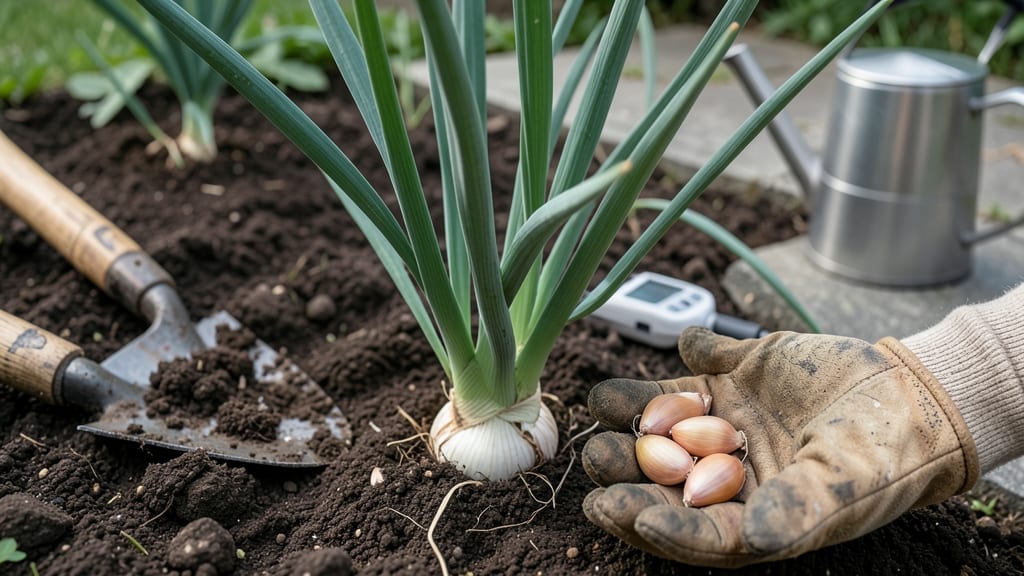
Knowing when to plant garlic in Zone 8a can mean the difference between a thriving harvest and a disappointing one—especially when mild winters make timing tricky. The 🧄 thrives here, but planting too early risks bolting, while waiting too long weakens bulb development.
In Zone 8a, your best window is October through November, giving cloves time to root before winter sets in. This schedule aligns with the region’s 210 frost-free days, ensuring strong growth without heat stress. Let’s break down the exact steps to time it perfectly.
Why does this matter? Because garlic planted in the wrong window may produce small, pungent bulbs—or worse, bolt prematurely. By mastering the timing, you’ll unlock larger, milder harvests that store beautifully. Here’s how to get it right.
We’ll cover soil prep, spacing, and variety selection tailored to Zone 8a’s climate. Whether you’re a first-timer or a seasoned gardener, these insights will help you plant with confidence and harvest like a pro.
Optimal planting windows for Zone 8a garlic: month-by-month breakdown
Zone 8a’s mild winters and long growing season create a perfect environment for garlic—but timing remains critical. Unlike colder zones, you’ll avoid premature bolting (flowering) by planting in late fall, not early autumn.
The goal? Establish roots before soil temperatures drop below 50°F, which triggers dormancy and ensures robust bulb development by summer.
For most of Zone 8a, the ideal planting window spans October 15 to November 15. This schedule aligns with the 6-8 week window needed for roots to anchor before winter.
However, your exact dates depend on microclimate variations—coastal areas may push planting to November 1-15, while inland regions can start as early as mid-October.
Why this timing? Garlic requires vernalization (cold exposure) to form bulbs, but Zone 8a’s winters rarely drop below 25°F. Planting too early (e.g., September) risks heat stress and bolting, while late planting (December+) may result in small, weak bulbs due to insufficient root growth before spring.
Here’s how to align your planting with Zone 8a’s climate quirks:
Notice the hardneck vs. softneck distinction? Hardneck varieties (e.g., ‘Music,’ ‘German Red’) thrive in Zone 8a’s cooler winters and produce scape shoots (useful for pesto!). Softneck types (e.g., ‘Silverskin,’ ‘Artichoke’) tolerate warmer winters but need earlier planting to compensate for slower bulb development.
Always plant individual cloves, pointed end up, 2" deep in well-draining soil.
Pro tip: Use a soil thermometer to confirm temperatures. Aim for 50–60°F at planting—any warmer, and roots struggle to establish before heat returns. In coastal Zone 8a (e.g., Southern California), delay until November 1 to avoid winter rains that can rot cloves.
After planting, mulch heavily (4–6" of straw or leaves) to insulate bulbs from temperature swings. Zone 8a’s winters can fluctuate between 30°F and 70°F—consistent cold triggers bulb formation, while warmth accelerates growth. Remove mulch in early spring (March) to prevent disease from excess moisture.
Your garlic will emerge in late winter, but don’t rush to fertilize. Wait until green shoots reach 4–6" (typically February–March) before applying a balanced 5-10-10 fertilizer. Over-fertilizing early leads to leafy growth at the expense of bulbs.
Zone 8a’s long harvest window (June–July) rewards precise timing—plant now, and you’ll enjoy bold, flavorful bulbs by midsummer.
🌱
Optimal planting windows for Zone 8a garlic: month-by-month breakdown
In Zone 8a, your garlic planting window is narrow but critical—aim for October through November to avoid common pitfalls like bolting or weak bulb development.
The key is planting 4-6 weeks before the first hard frost (typically around December 15 in Zone 8a), giving cloves time to establish roots before winter dormancy.
This timing aligns with Zone 8a’s 210 frost-free days, ensuring garlic gets enough cold exposure to form bulbs without overheating. Early planting (September) risks bolting, while late planting (December) may result in smaller harvests. Let’s break down the best months and what to do each step of the way.
📅 Zone 8a Garlic Planting Calendar
| Month | Hardneck Varieties | Softneck Varieties | Soil Prep |
|---|---|---|---|
| September | ⚠️ Risk of bolting | ⚠️ Risk of bolting | Test soil pH (6.0-7.0) |
| October | ✅ Ideal window | ✅ Ideal window | Add compost (2-3 inches) |
| November | ✅ Last chance | ✅ Last chance | Mulch with straw |
| December | ❌ Too late | ❌ Too late | Cover with frost cloth |
💡 Pro Tip: Hardneck varieties (e.g., 'Music') need more cold exposure, while softnecks (e.g., 'Silverskin') tolerate milder winters.
For hardneck garlic, prioritize October planting to ensure adequate cold vernalization (typically 40-60°F for 6-8 weeks). Softneck varieties are more forgiving but still benefit from early fall planting. If your Zone 8a winters are unusually mild, consider cold-hardy varieties like 'German White' or 'Creole' for better bulb formation.
Soil preparation is non-negotiable. Work in 2-3 inches of compost and adjust pH to 6.0-7.0 before planting. Zone 8a’s well-draining soils often need amendments like aged manure or peat moss to retain moisture during winter. After planting, apply 3-4 inches of straw mulch to insulate cloves and prevent temperature fluctuations.
Spacing matters too: Plant cloves 2 inches deep, 4-6 inches apart in rows spaced 12 inches apart. This gives bulbs room to expand without competing for nutrients. In Zone 8a, where winters can be unpredictable, planting in raised beds with extra mulch offers better insulation and drainage.
Finally, resist the urge to fertilize after planting—garlic needs minimal nitrogen during dormancy. Wait until spring growth resumes (around March) to apply a balanced 5-10-10 fertilizer. This timing prevents overstimulating cloves before they’re ready to grow.
By following this schedule, you’ll harvest plump, flavorful bulbs in June or July—just in time for summer cooking and storage. The secret? Precision timing and Zone 8a-specific adjustments make all the difference. 🌱