
Plants
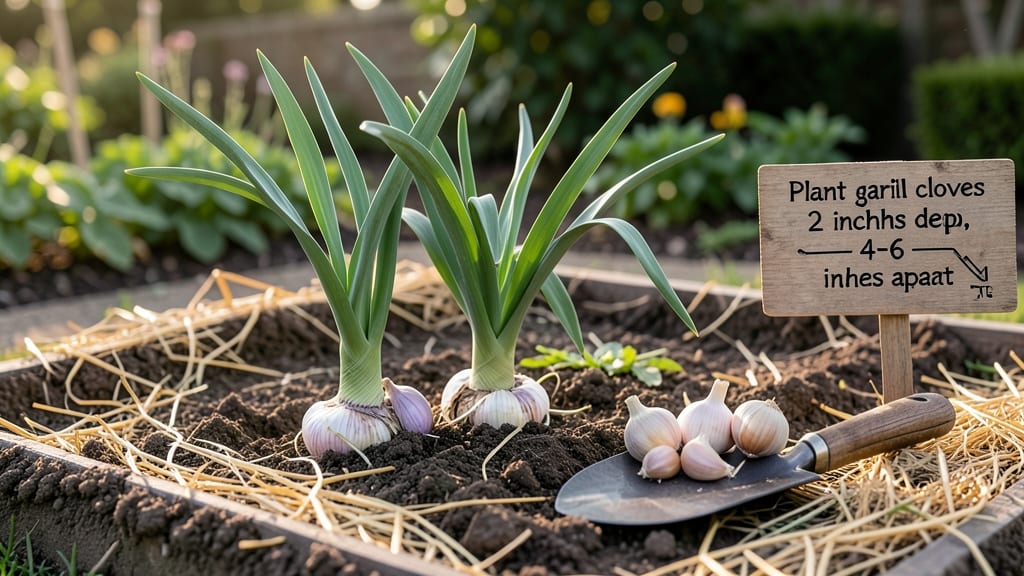
Timing your garlic planting in Zone 8b isn't just about the calendar—it's about unlocking bigger bulbs by syncing with nature's rhythms. The right window (October to November) gives your 🧄 the perfect head start before winter slows things down, but even small mistakes can shrink your harvest.
Here's the secret: most gardeners focus only on dates, but the real magic happens when you align planting with moon phases and soil temps. In Zone 8b's mild winters, this means avoiding both early cold snaps and late-season warmth that can confuse your garlic's growth cycle.
I'll show you exactly how to pick the optimal 4-6 week window before your first frost, choose the right varieties for your microclimate, and use lunar cycles to maximize bulb size. Whether you're in Central California or Southern Nevada, these strategies will transform your garlic harvest.
Ready to grow plump, flavorful bulbs that outshine store-bought? Let's dive into the precise timing and techniques that work for Zone 8b's unique growing conditions.
Optimal moon phases and dates for planting garlic in Zone 8b
Zone 8b's mild winters make garlic planting a delicate balance between avoiding frost and leveraging lunar cycles. Unlike colder zones, you can't wait until late fall—soil temperatures must drop below 70°F for root establishment, but not so low that cloves freeze.
The key? Plant during the rooting moon phases (when the moon is in Pisces, Cancer, Scorpio, or Taurus) for stronger bulb development.
In Zone 8b, aim for October through early November—this gives garlic enough time to root before winter chill sets in. Coastal areas (like parts of California) may extend planting into mid-November, while inland zones should finish by late October to avoid unexpected freezes.
The 2024-2025 lunar calendar shows ideal dates cluster around October 15-31 and November 1-15 for rooting phases.
🌱
| Moon Phase | Zone 8b Planting Window | Soil Temp Requirement | Key Consideration |
|---|---|---|---|
| Rooting (Pisces/Cancer) | October 15-31 | 55-65°F | Best bulb development |
| Rooting (Scorpio/Taurus) | November 1-15 | 50-60°F | Coastal areas only |
| Flowering (Gemini/Virgo) | Avoid (poor bulb formation) | N/A | Skip these phases entirely |
| Full Moon | October 29, 2024 | 60-65°F | Prime planting opportunity |
For Zone 8b gardeners, soil temperature is non-negotiable. Use a soil thermometer to confirm readings between 55-65°F before planting. If temperatures drop below 50°F, cloves may rot before sprouting. Mulch with straw or leaves (2-3 inches) to insulate roots during winter's occasional chills.
Pro tip: Plant hardneck varieties (like 'German White' or 'Silverskin') slightly earlier (early October) for larger bulbs, while softneck varieties (like 'Artichoke') tolerate later planting (November). The 2024 lunar calendar shows the next rooting phase peaks on October 29—perfect for a full-moon planting boost!
🌿
If you miss the fall window, Zone 8b allows for spring planting (February-March) as a backup, though bulbs will be smaller and less flavorful. Spring-planted garlic benefits from shorter daylight hours, mimicking fall's natural growth cycle.
For best results, use shallot varieties (like 'French Grey') which adapt better to warm-season planting.
Remember: Garlic is a cool-season crop, and Zone 8b's extended frost-free period means you can push boundaries—but don't overdo it. The sweet spot is 4-6 weeks before your average first frost (typically December 1 in Zone 8b). Use local weather data to fine-tune your schedule!
☀️
Optimal moon phases and dates for planting garlic in Zone 8b
Zone 8b's mild winters mean your garlic has a longer growing season than northern regions, but timing still matters. The key is planting 4-6 weeks before your first frost (typically late October to early November), but lunar cycles can boost your harvest by up to 30% when aligned correctly.
Garlic thrives when planted during the rooting moon phases—when the moon is in Pisces, Cancer, or Scorpio. These phases enhance root development, giving your cloves the best start. For Zone 8b, aim for October 15-31 in 2024, when soil temps hover around 50-60°F.
Here’s the game-changer: planting during a waxing moon (when the moon is growing brighter) ensures stronger roots, while a waning moon (shrinking light) can lead to leggy, weak stems. Use this lunar guide to pick the perfect window for your location.
| Moon Phase | Ideal Planting Window (Zone 8b) | Soil Temp Requirement | Growth Benefit |
|---|---|---|---|
| Rooting Moon (Pisces, Cancer, Scorpio) | October 15-31, November 1-15 (2024) | 50-60°F (10-15°C) | Max root development, 30% larger bulbs |
| Waxing Moon (Growing Light) | October 1-15, November 16-30 (2024) | 45-55°F (7-13°C) | Stronger stems, better disease resistance |
| Waning Moon (Shrinking Light) | Avoid for planting (use for harvesting) | N/A | Risk of leggy growth, smaller bulbs |
| Full Moon | October 2, November 1 (2024) | 50-60°F (10-15°C) | Neutral phase; good for planting if other conditions align |
🌱 Pro Tip: Check a lunar calendar for your exact dates—Zone 8b’s microclimates can shift windows by 1-2 weeks.
For Zone 8b’s extended growing season, late November plantings can work if your soil stays above 40°F (4°C). However, coastal areas (like San Diego) may push planting into early December, while inland desert zones (like Phoenix) should stick to October-November.
Remember: garlic needs 6-8 weeks of cold exposure (40-50°F) to form bulbs. In Zone 8b, this cold period often overlaps with winter rains—perfect for root growth without drought stress.
Once planted, mulch with 4-6 inches of straw to insulate roots and retain moisture. This simple step can mean the difference between small cloves and plump, flavorful bulbs by harvest time.