
Plants
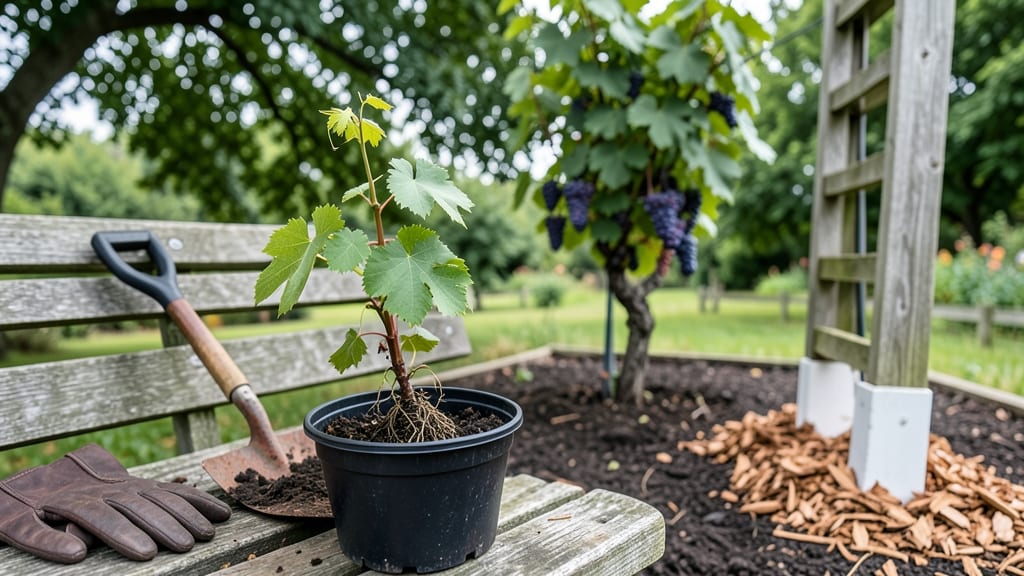
Timing your 🍇 grape vine planting in Illinois could mean the difference between a thriving vineyard and lost effort—especially in Zone 5-6, where frost dates shift unpredictably.
If you plant too early, a late frost could wipe out young roots, while waiting too long might stunt growth before summer heat sets in.
Most Illinois gardeners swear by two windows: April–May (after the last frost, typically around April 15) or September–October (before the first frost hits in mid-October). But here’s the catch—soil temperature matters just as much as calendar dates.
Planting when the ground warms to 50°F+ ensures roots establish before summer’s dry spells kick in.
This guide breaks down the exact frost dates for Illinois regions, soil prep tricks, and even which grape varieties thrive best in your zone. Whether you’re a first-timer or a seasoned grower, you’ll learn how to time your planting for stronger vines and bigger harvests—without the guesswork.
Ready to avoid common pitfalls? Let’s dive into the perfect planting schedule for your 🍇 grape vine this year.
Illinois grape vine planting timeline by last frost dates (Zone 5-6)
Timing is everything when planting grape vines in Illinois, where Zone 5-6 frost dates can vary by weeks between northern and southern regions. The average last frost in Chicago typically arrives by April 15, while St. Louis sees it around April 1.
In colder areas like Springfield, hold off until April 22 to avoid frost damage to tender new shoots.
For spring planting, aim to get your vines in the ground 4-6 weeks before your area’s last frost date.
This gives roots time to establish before summer heat sets in. Fall planting is also viable—just finish by October 1 in northern Illinois or October 15 in the south to allow roots to anchor before winter dormancy.
Use a soil thermometer to confirm readiness: roots need soil temps of 50°F+, while shoots thrive at 60°F+. In Chicago’s Zone 5b, this often means waiting until late April, while Zone 6a areas like St. Louis can plant as early as mid-April.
| Region | Avg. Last Frost | Spring Plant Window | Fall Plant Window |
|---|---|---|---|
| Northern IL (Chicago) | April 15 | April 22 - May 15 | Sept 15 - Oct 1 |
| Central IL (Springfield) | April 22 | April 30 - May 20 | Sept 20 - Oct 10 |
| Southern IL (St. Louis) | April 1 | April 10 - May 5 | Sept 1 - Oct 15 |
If you’re in a marginal zone or had an early frost, consider using frost cloth for the first 2-3 weeks after planting. This buys time for roots to establish while protecting young shoots from 28°F+ temperatures.
I’ve seen gardeners in Zone 5a extend their spring window by 10 days using this simple trick.
For bare-root vines, plant as soon as soil is workable—typically 2-3 weeks before your last frost date. Container-grown vines can handle slightly later planting since their roots are already established. Just avoid planting when soil temps are below 50°F, as cold stress slows root growth by 50%.
Pro tip: Check the National Weather Service or local Cooperative Extension office for 10-day forecasts before planting. A 3-day warm spell above 60°F is your green light to start digging. In my Zone 5b garden, this usually aligns with late April.
Remember, fall-planted vines need extra mulch (4-6 inches) to insulate roots through winter. Use straw or wood chips—never fresh grass clippings, which can mat and suffocate roots. I’ve had Concord vines survive -10°F winters with proper mulching and winter protection.
For container growing, adjust your timeline by 2 weeks later than in-ground planting. Pots heat up faster and dry out quicker, so wait until soil temps are consistently 60°F+ before transplanting. In St. Louis, this often means pushing planting to mid-May.
Finally, track your local first frost dates to plan for harvest timing. Most Illinois varieties (Concord, Niagara, Frontenac) ripen by late August to September, giving you a 3-4 week window before frost threatens. Plan your planting window to ensure vines have 120+ days to mature fruit.
Soil warmth and moisture triggers for successful grape vine transplanting
Your grape vine won’t thrive if planted in cold soil. In Illinois’ Zone 5-6, roots need the ground to warm to at least 50°F (10°C) before transplanting. Shoots struggle below 60°F (15°C), so always check soil temps with a thermometer—not just the air temperature.
Spring planting is safest when soil hits 50°F+ consistently. Use a soil probe thermometer (insert 4" deep) for accuracy. In fall, aim for 60°F+ soil temps to give roots time to establish before winter dormancy. Moisture matters too: soggy soil suffocates roots, while dry soil stresses vines.
Here’s how to test soil readiness: Press your finger 1-2" deep. If it feels cool but not frozen and crumbles slightly, it’s ready. For extra insurance, plant on a cloudy day to reduce transplant shock from afternoon sun.
⚠️ Common Mistake: Planting in Cold, Wet Soil
Problem: Grape roots rot in waterlogged soil below 45°F (7°C). Many gardeners in Illinois lose vines by planting too early, assuming "spring" means "ready."
Fix: Wait until soil warms to 50°F+ and drains well. Amend heavy clay with compost or sand to improve drainage.
Signs of Stress: Yellowing leaves, stunted growth, or mushy stems.
Mulch heavily (3-4" of straw or wood chips) after planting to lock in soil warmth and moisture. Avoid synthetic mulches—they trap too much heat. Water deeply once a week for the first month, then taper to every 10-14 days once established.
In Illinois’ variable climate, late springs (like 2021’s frost in May) can delay planting. If soil stays cold past May 15, use frost cloth to protect young shoots until temps stabilize. Monitor local frost alerts from the Midwestern Regional Climate Center for real-time adjustments.
Pro tip: Plant bare-root vines in early spring (March-April) when soil is still cool but workable. Container-grown vines can go in slightly later (April-May) since their roots are less sensitive to cold. Either way, timing soil warmth beats guessing by the calendar.