
Plants
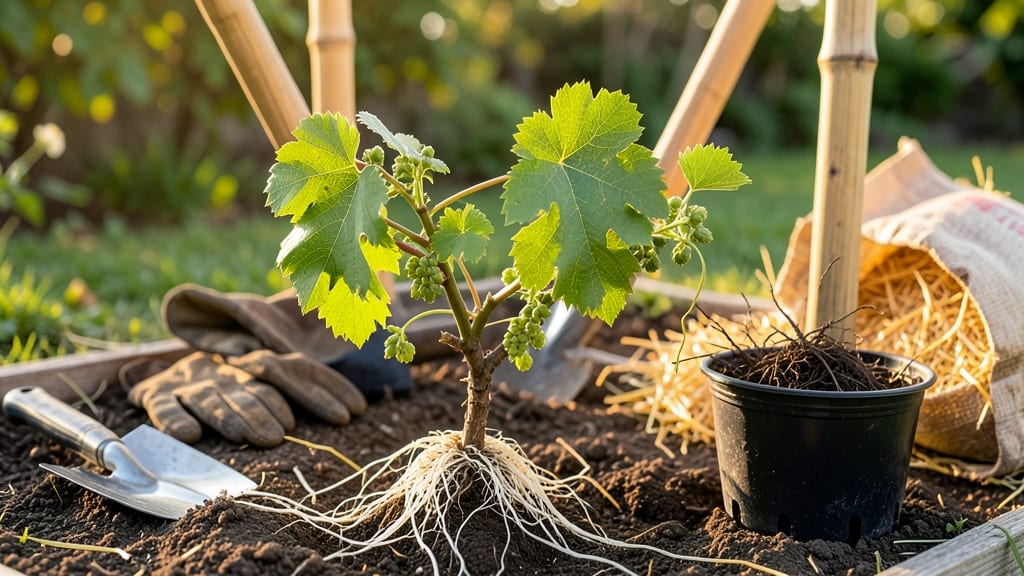
Planting grape vines in Texas at the wrong time can mean the difference between a thriving 🍇 harvest and struggling vines that never take root.
The key isn't just picking a season—it's understanding how Texas' extreme heat and variable frost dates create a narrow window where your vines stand the best chance of survival.
Whether you're in North Texas where frosts linger into March or South Texas where winter barely touches, timing matters more than you might think.
I've seen gardeners rush planting too early, only to watch their young vines wilt under summer's brutal sun, or wait too long, leaving vines vulnerable to winter's unpredictable chill.
In this guide, you'll discover the exact planting months that work best for your specific Texas heat zone, plus the critical prep steps to give your grape vines the fighting chance they need.
We'll cover everything from soil prep to variety selection so you can avoid common mistakes that derail even the most eager gardeners.
Ready to grow grapes that produce reliable harvests year after year? Let's get started with the planting timeline that actually works for Texas conditions.
Texas grape planting zones: best months by heat Zone
Texas’ diverse climate—from the cool Hill Country to the humid Gulf Coast—means grape planting windows vary dramatically. The Texas A&M AgriLife Extension divides the state into 11 heat zones (A1–B12), each with unique frost risks and soil temperatures.
For example, North Texas (Zone 8a) faces late frosts until mid-March, while South Texas (Zone 9a–11) can plant year-round with minimal frost risk.
Your first step is identifying your local heat zone using the Texas Heat Zone Map. This determines whether you’ll plant in fall (ideal for most regions) or early spring (safer for cooler zones).
For instance, Central Texas (Zone 8b) should plant September–October, while East Texas (Zone 8a) waits until March–April to avoid frost damage.
Soil temperature is just as critical as air temperature. Grape roots need soil temps above 50°F (10°C) to thrive. In North Texas, this typically occurs by late March, but in South Texas, it’s safe as early as February.
Use a soil thermometer to confirm—planting too early in cold soil stunts root growth.
Microclimates further complicate timing. A Hill Country vineyard at 2,000 feet may experience 10°F colder nights than a Rio Grande Valley garden just 200 miles away. If you’re near urban heat islands (e.g., Dallas or Houston), expect 2–4°F warmer soil than rural areas, allowing earlier planting.
| Heat Zone | Best Planting Window | Soil Temp Requirement | Frost Risk | Recommended Varieties |
|---|---|---|---|---|
| North Texas (8a) | March–April (spring) or September (fall) | 50°F+ (10°C+) | High (last frost: Feb 15) | Cynthiana, Norton, Black Spanish |
| Central Texas (8b) | February–March or September–October | 50°F+ (10°C+) | Moderate (last frost: Feb 1) | Muscadine, Scuppernong, Red Malaga |
| East Texas (8a) | March–April (spring) or October (fall) | 55°F+ (13°C+) | High (last frost: Feb 20) | Albariño, Tempranillo, Black Monukka |
| South Texas (9a–11) | January–March or September–November | 60°F+ (15°C+) | Low (last frost: Jan 1) | Flame Seedless, Thompson Seedless, Anasazi |
| West Texas (8b–9a) | February–March or October–November | 55°F+ (13°C+) | Moderate (last frost: Feb 10) | Chinsegrape, Muscadine, Black Rose |
Fall planting (September–October) is ideal for most Texas regions because it allows vines to establish roots before winter. In North Texas, this means planting 6–8 weeks before first frost (typically mid-November).
For South Texas, extend the window to November—just avoid planting too late, as new growth won’t harden off before cold snaps.
Spring planting (February–March) is riskier but necessary in Zone 8a. Time it so vines have 8–10 weeks of growth before summer heat peaks. For example, a March 1 planting in Dallas should yield fruit by July–August, avoiding the 100°F+ heat that stresses young vines.
Urban gardeners in Houston or San Antonio often face higher humidity and soil compaction, which delays planting by 1–2 weeks compared to rural areas. Amend urban soil with compost and gypsum to improve drainage and mimic rural conditions.
If your yard has clay-heavy soil, consider raised beds for better control over planting timing.
Pro tip: Use shade cloth (30–50%) for early spring plantings in full sun to reduce transplant shock. This buys vines 2–3 weeks of gradual acclimation to Texas’ intense sunlight. Remove the cloth once leaves harden (4–6 weeks post-planting).
Critical pre-planting steps for Texas grapes: soil, variety, and preparation
Before you even dig the first hole for your grape vines, Texas gardeners need to tackle three critical prep steps: selecting the right grape variety, amending heavy Texas clay soil, and choosing the perfect planting microclimate.
Skipping these can leave your vines struggling from day one, especially in our extreme heat and drought conditions.
Texas' brutal summer heat and unpredictable frost dates mean your grape vines need varieties that can handle both challenges. Muscadine grapes are my top recommendation for most regions—they're heat-tolerant, disease-resistant, and thrive in our heavy soils.
For cooler North Texas areas, Cynthiana (Norton) grapes handle frost better while still producing excellent fruit.
Your soil prep should start 4-6 weeks before planting. Work in 2-3 inches of compost and 1/4 inch of gypsum to break up clay particles. For sandy soils, add organic matter like leaf mold to improve water retention.
Test your soil's pH—grapes prefer 6.0-6.5, and Texas soils often run alkaline.
Location matters just as much as soil prep. While grape vines love full sun (6-8 hours daily), Texas' intense afternoon heat often requires afternoon shade, especially for young vines.
I recommend planting near a trellis with partial shade cloth or positioning vines where they'll benefit from natural shade from nearby structures or trees.
Timing your prep work matters too. For fall planting (September-October), focus on soil amendments and trellis installation before the first frost. Spring planters (February-March) should complete soil prep by January to give roots time to establish before summer heat arrives.
Never plant when soil temperatures exceed 85°F—root growth will stall.
Finally, consider your trellis system before planting. Texas' strong winds and heavy fruit loads require sturdy wrought-iron or wooden trellises with cross-bracing. Install posts at least 18 inches deep and bury them below the frost line for stability. This isn't optional—it's survival equipment for Texas grape growers.