
Plants
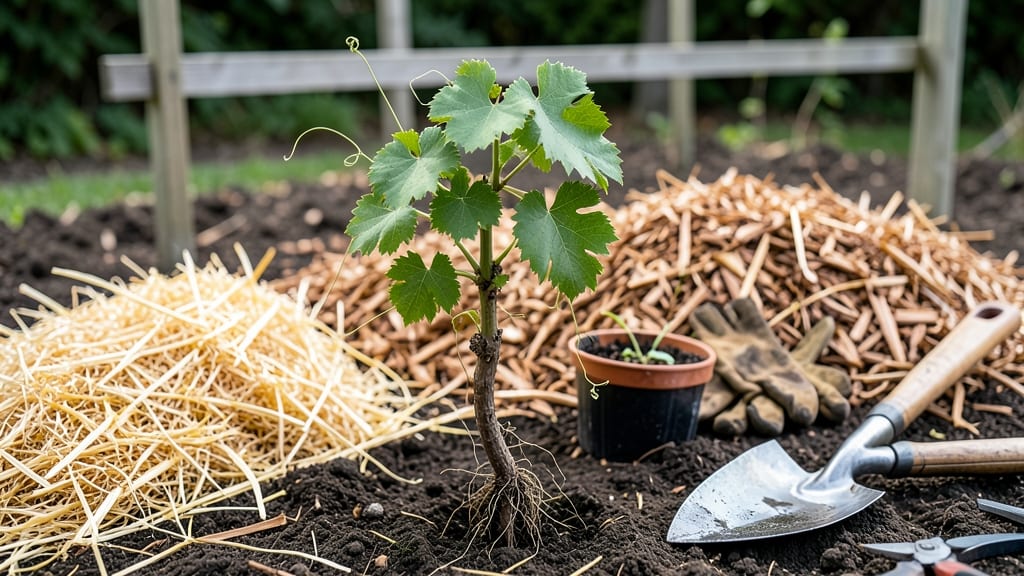
Timing your 🍇 grape planting in Indiana wrong could mean lost vines—or worse, a frost-killed dream before buds even break. With Indiana’s 5b-6b zones swinging from freezing April mornings to scorching July afternoons, getting the window right is the difference between a thriving vineyard and a sad pile of mulch.
Most gardeners know spring is the go-to, but here’s the catch: bare-root grapes need to hit the ground by mid-May to avoid frost shock, while container-grown varieties wait until late May or June when the air stays reliably warm.
And if you’re growing cold-hardy varieties like Concord or Marquette, you’ve got a slightly wider margin—but don’t push it.
I’ve seen firsthand how a single late frost can wipe out a season’s work, so I’ll break down the exact months to plant based on your region, plus pro tips to outsmart Indiana’s unpredictable weather.
Whether you’re a backyard grower or dreaming of a home vineyard, this is your roadmap to success.
From soil prep to frost cloth hacks, you’ll learn how to give your grapes the best shot at survival—and a harvest worthy of your effort. Let’s get those vines in the ground the right way.
Indiana’s frost-free zones and best planting months for grapes
Indiana’s USDA Zones 5b-6b create unique challenges for grape growers, with last frost dates ranging from early April in southern Indiana to late May in the north. The key to success?
Planting bare-root grapes in early spring (March-April) before buds break, or container-grown grapes after May 15 when frost risk drops significantly. Northern Indiana’s shorter growing season (120-140 frost-free days) demands cold-hardy varieties like Marquette, while southern Indiana’s longer season (150+ days) can support heat-tolerant types like Cynthiana.
Timing matters because grapes need 6-8 hours of sunlight daily and 150-180 days to mature. Planting too early risks frost damage to emerging shoots, while late planting may prevent fruit ripening before first frosts in October.
The Indiana State Climate Office tracks frost dates—use their data to adjust your schedule by region. For example, Zone 5b (northern Indiana) should aim for April 15-May 1, while Zone 6a (southern Indiana) can extend to May 15.
🌱 Did You Know? Indiana’s microclimates can shift frost dates by 2-3 weeks—south-facing slopes warm up faster, while low-lying areas stay colder. Always monitor local weather forecasts in the weeks leading up to planting.
| Region | USDA Zone | Last Frost Avg. | Best Planting Window | Frost-Free Days |
|---|---|---|---|---|
| Northern Indiana | 5b | April 15-May 1 | March 20-April 15 (bare-root) | 120-140 |
| Central Indiana | 6a | April 1-May 10 | April 1-May 15 (bare-root) | 140-150 |
| Southern Indiana | 6b | March 25-April 15 | April 1-May 30 (bare-root) | 150-165 |
| All Regions | 5b-6b | N/A | May 15-June 1 (container-grown) | N/A |
*Data sourced from Indiana State Climate Office and Purdue Extension
For bare-root grapes, prioritize early spring planting (March-April) when soil temperatures reach 50°F (10°C). This gives roots 6-8 weeks to establish before summer heat stress.
If you miss this window, fall planting (September-October) is possible but riskier—vines need 4-6 weeks to root before winter dormancy. Container-grown grapes, however, can wait until after May 15 when frost risk is minimal, making them ideal for beginners or urban gardeners with limited space.
Soil preparation is equally critical. Indiana’s clay-heavy soils drain poorly, so amend with compost and sand to improve aeration. Test your soil’s pH (6.0-7.0) and add lime if needed. A south-facing slope or raised bed can also extend your growing season by 2-3 weeks in cooler zones.
I once planted Concord grapes in a low-lying area of Zone 5b, and they struggled until I moved them to a sunny, elevated spot—the difference was night and day!
Pro tip: Use frost cloth for the first 2-3 weeks after planting to protect young vines from late spring frosts. This extra layer of insulation can mean the difference between surviving and thriving.
Pair it with a drip irrigation system to maintain consistent moisture—grapes hate fluctuating water levels, which can stress roots and reduce fruit set.
If you’re unsure about your local frost dates, check the National Oceanic and Atmospheric Administration (NOAA) or your county extension office. For example, Lafayette (Tippecanoe County) averages its last frost on April 10, while Gary (Porter County) can see frost as late as May 5.
These microclimate differences explain why Marquette grapes (cold-hardy) thrive in northern Indiana, while Niagara grapes (heat-loving) do better in the south.
Remember: Patience is key. Grapes planted in late May or June may not produce fruit their first year but will catch up in subsequent seasons. The trade-off?
You avoid frost damage and root stress from early planting. For container grapes, this window also allows you to adjust placement based on summer heat patterns—critical in Indiana’s hum
Indiana’s frost-free zones and best planting months for grapes
Indiana’s USDA zones 5b-6b create a tricky timeline for grape planting, where a late frost can turn your hard work into mulch overnight. The key is planting when soil temperatures hit 50°F (10°C)—usually mid-April to early May for bare-root vines, but late May to June for container-grown varieties.
Northern Indiana (Zone 5b) has a longer frost risk than southern counties (Zone 6a), so adjust accordingly.
Most Indiana gardeners swear by spring planting because it gives vines time to establish roots before summer heat. However, some cold-hardy varieties like Marquette can handle early spring’s chill, while heat-lovers like Cynthiana need warmer soil.
The Indiana State Climate Office tracks frost dates—bookmark their frost risk calculator to avoid surprises.
Here’s the breakdown by region and grape type to nail your planting window:
| Region | USDA Zone | Last Frost Avg. | Best Planting Window | Recommended Varieties |
|---|---|---|---|---|
| Northern Indiana | 5b | April 25 | May 1-15 (bare-root only) | Concord, Marquette, Frontenac |
| Central Indiana | 6a | April 15 | April 20-May 10 (bare-root) or May 20-June 1 (containers) | Niagara, Cynthiana, Valvin Muscat |
| Southern Indiana | 6b | April 5 | April 10-May 15 (all types) | Chambourcin, Traminette, Norton |
For bare-root grapes, soak roots overnight before planting to kickstart growth. If you’re using container-grown vines, wait until soil is warm enough to prevent root shock—test with a soil thermometer (aim for 60°F/15°C).
Southern Indiana’s earlier last frost lets you plant 2-3 weeks earlier than northern areas, so don’t rush!
Pro tip: If you miss spring, fall planting is possible in Zone 6b—but only if vines establish roots before first frost (Oct 15). Use black plastic mulch to warm soil faster in cooler zones. I’ve seen Concord vines thrive when planted in early fall with this trick!
Now that you’ve got the timing down, your next move is choosing the right grape variety for your microclimate. Each type has its own ideal window—and some need extra care to beat Indiana’s weather quirks. Let’s dive into the best options for your backyard vineyard.