
Plants
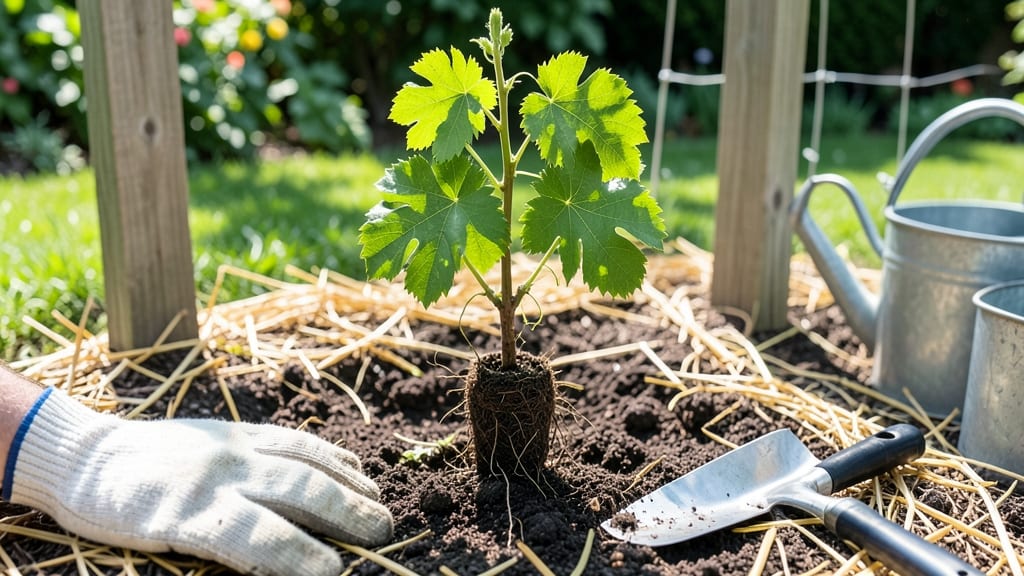
Planting grapes in Missouri at the wrong time can mean the difference between a thriving vineyard and a sad pile of frost-bitten vines. With USDA zones 5b-6b and microclimates ranging from humid river valleys to dry western plains, timing is everything for 🍇 success.
The key window is late winter to early spring—think February through April—when the soil warms enough for roots to take hold before summer’s heat arrives. But here’s the catch: Missouri’s unpredictable frost dates (especially that sneaky last frost around March 15) mean you’ve got to play it smart.
Whether you’re planting bare-root vines or potted plants, I’ll break down exactly when to dig in for your specific region—from the Ozarks to the Bootheel—so your grapes get the strong start they need. No more guessing games, just data-backed timing for stronger roots and bigger harvests.
Ready to set your vines up for success? Let’s get into the microclimate-specific planting schedule that’ll have your grapes thriving come harvest season.
Missouri’s best planting months by microclimate zone
Missouri’s grape-growing regions vary dramatically—from the humid Bootheel to the dry Ozarks—so planting times must match local frost patterns and soil conditions. The last spring frost typically arrives between March 15 (northern regions) and April 15 (southern areas), but microclimates can shift this by weeks.
Planting too early risks frost damage, while late planting delays root establishment.
For bare-root vines, aim to plant 2-3 weeks before your region’s last frost date. Potted vines offer flexibility but still need soil temperatures above 50°F.
Missouri’s USDA zones 5b-6b accommodate both cold-hardy varieties (like Norton) and tender types (such as Cabernet Sauvignon), but timing is critical for success.
Here’s how to align your planting schedule with Missouri’s five key grape-growing regions:
In the Ozarks, where late frosts are common, delay planting until after April 1 to avoid root damage. The Bootheel’s warmer climate allows early planting as early as February, but tender varieties like Cabernet Sauvignon still need protection from unexpected cold snaps.
For container growing, extend your window by planting potted vines 4-6 weeks earlier and hardening them off gradually.
Missouri’s clay-heavy soils can delay warming, so use a soil thermometer to confirm temperatures meet the 50°F threshold. Amend heavy soils with compost or sand to improve drainage and speed up warming.
If planting in May or later, choose late-maturing varieties like Concord to ensure fruit ripens before frost.
Pro tip: Mulch heavily after planting to maintain consistent soil temperatures and reduce moisture loss. Use straw or wood chips (3-4 inches deep) to protect young roots during Missouri’s unpredictable spring weather swings.
For bare-root vines, soak roots in water for 2-4 hours before planting to rehydrate them. Dig holes twice as wide as the root ball and mix in compost or well-rotted manure to boost fertility. Plant at the same depth as the vine’s graft union to prevent rot or stress.
Missouri’s humidity levels can promote fungal diseases like powdery mildew, so avoid planting in waterlogged soils or areas with poor airflow. If your region has high humidity (like the Bootheel), choose resistant varieties or use fungicide sprays preventatively.
🍇
Critical soil and weather conditions for grapes in Missouri
Before you even think about planting grapes in Missouri, you’ve got to check your soil and weather conditions. Grapes are finicky about their environment—get it wrong, and you’ll end up with stressed vines that struggle to produce fruit.
The two biggest factors here are soil pH and drainage, both of which can make or break your grapevine’s success.
Missouri’s soils are often clay-heavy, especially in the northern and central regions, which can lead to waterlogging if not amended properly. Grapes hate soggy roots—poor drainage is a one-way ticket to root rot.
Test your soil’s drainage by digging a hole, filling it with water, and timing how long it takes to drain. If it’s still wet after 6 hours, you’ve got work to do.
Now, let’s talk soil pH. Grapes thrive in slightly acidic to neutral soil, with a target pH of 5.5 to 6.5. Missouri’s native soils often lean toward alkaline, so you may need to lower the pH with sulfur or peat moss.
Grab a soil test kit from your local extension office—it’s the only way to know for sure what adjustments you need to make.
⚠️ Warning: Don’t Plant in These Conditions!
Planting grapes in Missouri when these red flags are present will set you up for failure. Watch for these warning signs before digging in:
- 🌡️ Soil temp below 50°F – Roots won’t establish properly in cold soil.
- 🌧️ Late frost threat – Planting too early risks frost damage to new growth.
- 💦 Waterlogged soil – Grapes hate soggy roots; amend clay soil with compost.
- 🌬️ High humidity without airflow – Fungal diseases thrive in stagnant, humid conditions.
- 🌱 pH outside 5.5-6.5 – Adjust soil chemistry before planting to avoid nutrient deficiencies.
Pro Tip: If you’re planting in May or later, opt for cold-hardy varieties like Norton or Concord to minimize frost risk.
Don’t overlook moisture levels either. While grapes need consistent water, they can’t handle drought stress or excess moisture. Aim for moderate moisture retention—think of it like a well-watered sponge, not a swamp or a desert.
In Missouri’s humid climate, mulching with wood chips or straw helps regulate soil moisture and keeps roots cool during summer heat.
Finally, keep an eye on the weather forecast in the weeks leading up to planting. If a late frost is predicted within 2-3 weeks of your planned planting date, delay until conditions stabilize.
Use a frost blanket or row cover if you’re in a hurry, but remember—root establishment is your top priority, not rushing the process.
When in doubt, wait until after the last frost date (typically around March 15 in most of Missouri) and ensure soil temperatures are consistently above 50°F. Your grapes will thank you with stronger roots and a better harvest come fall.