
Plants
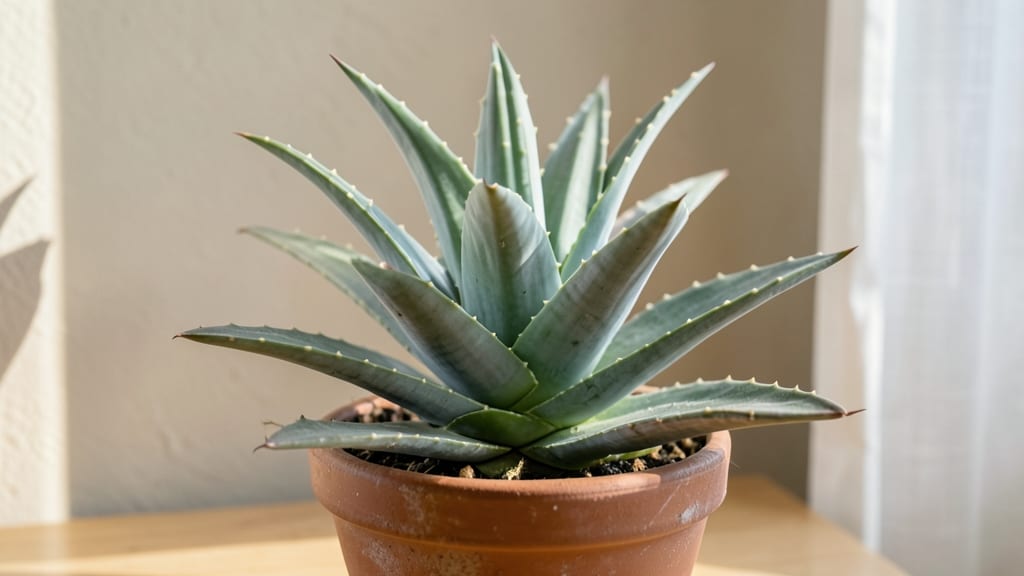
If your 🌵 aloe plant is looking sad—stretched, pale, or crispy—you’re probably not quite nailing how much light an aloe plant needs. Aloe thrives in bright spots but despises harsh midday sun or dim corners, and most people guess wrong about how much it truly needs.
Here’s the secret: your aloe craves 6+ hours of bright, indirect light daily, whether from a south-facing window or a sunny patio. Too little, and it stretches toward the light like a sleepy cat; too much, and those gorgeous leaves turn brown at the edges.
Let’s fix that with simple adjustments.
Whether you’re growing your aloe indoors or outdoors in USDA Zone 6a, I’ll show you exactly where to place it—plus how to spot the signs when it’s begging for more (or less) sunshine. No more guesswork, just happy, plump leaves.
Ready to give your aloe the perfect light balance? Let’s dive into the ideal setup and common mistakes to avoid so your plant stays lush and healthy year-round.

Ideal sunlight requirements for aloe vera growth (with visual cues)
Aloe vera thrives in bright, indirect to direct sunlight, needing 6 to 8 hours of light daily for optimal growth. Native to arid climates, it craves intensity but can’t handle harsh midday sun without acclimation.
Think of it like a desert plant—it wants plenty of light but not scorching rays.
Outdoors, place your aloe in a spot with morning sun and afternoon shade to avoid leaf burn. If you're growing it in a container, rotate the pot every few weeks so all sides get even light exposure. This prevents lopsided growth and ensures your plant stays compact and healthy.
Indoors, the best window for aloe is south-facing, where light is brightest. East or west windows work too, but you may need to supplement with a grow light during shorter winter days. Avoid north-facing windows—they’re too dim for aloe’s needs.
Light intensity matters more than duration for aloe. Even 4 hours of strong light is better than 8 hours of weak, diffused light. If your aloe starts stretching toward the light or developing pale, leggy leaves, it’s begging for more brightness.
| Light Condition | Daily Hours Needed | Ideal Placement | Visual Cues |
|---|---|---|---|
| Full Sun | 6-8 hours | Outdoor garden beds, south-facing windows | Dark green, thick leaves; upright growth |
| Bright Indirect | 4-6 hours | East/west windows, under grow lights | Medium green leaves; slightly elongated |
| Low Light | <2 hours | North windows, dim corners | Pale, stretched leaves; weak stems |
| Direct Midday Sun | Unlimited (with caution) | Outdoor containers (acclimated) | Brown/white patches; crispy edges |
Seasonal adjustments are key for outdoor aloe. In summer’s peak heat, provide afternoon shade to prevent leaf scorch. Move potted aloe to a shaded patio or use a sheer curtain to filter harsh rays.
During winter months, aloe can handle more direct light since days are shorter and sun is less intense.
For indoor growers, grow lights are a game-changer in low-light spaces. Use a full-spectrum LED bulb placed 6-12 inches above the plant for 12-14 hours daily. Fluorescent bulbs work too but may require closer placement. Test your light setup by monitoring leaf color—healthy aloe should stay a vibrant green.
Pro tip: If your aloe develops red or purple hues, it’s a sign of too much direct sun. Move it to a brighter but indirect spot and watch the color return to normal within a few weeks.
This pigment shift is your plant’s way of protecting itself from UV damage.
Remember, aloe is drought-tolerant but not heat-tolerant. While it loves light, extreme heat without proper hydration can stress the plant. Water deeply but infrequently, allowing the soil to dry completely between waterings. This balance of light and moisture keeps your aloe thriving year-round.
Ideal sunlight requirements for aloe vera growth (with visual cues)
Aloe plants are sun worshippers, but they’re picky about the type of light they get. In their natural habitat, they bask in bright, indirect sunlight with occasional direct rays—think dappled shade under trees.
Indoors, this translates to 6+ hours of bright, filtered light daily, like a south-facing window with sheer curtains to diffuse harsh rays.
Outdoors, your aloe can handle full sun exposure (6+ hours), but only if you’re in a USDA Zone 6a or warmer. In cooler climates, afternoon shade protects leaves from scorching.
The key is balance: too little light makes aloes leggy and weak, while too much causes brown, crispy edges. Let’s break down the perfect light setup for your aloe’s needs.
| Light Condition | Daily Exposure | Ideal Location | Leaf Health |
|---|---|---|---|
| Bright Indirect Light | 6+ hours | South-facing window with sheer curtain | Thick, vibrant green leaves |
| Direct Morning Sun | 3-4 hours | East-facing window or patio | Healthy growth, minimal stress |
| Full Sun (Outdoors) | 6-8 hours (with afternoon shade) | South or west-facing garden bed | Strong, upright leaves |
| Low Light (Indoors) | <2 hours | North-facing window or room corner | Pale, stretched leaves (etiolation) |
| Harsh Midday Sun | Unfiltered (12 PM - 3 PM) | South-facing window without shade | Brown, crispy leaf edges (sunburn) |
Seasonal adjustments are crucial. In summer, move your aloe slightly away from the window to avoid intense afternoon sun, while in winter, supplement with a grow light if natural light drops below 4 hours daily.
Aloe plants are forgiving, but they’ll reward you with plump, gel-rich leaves when you nail the light balance.
Pro tip: Rotate your aloe quarterly so all sides get even light exposure. This prevents lopsided growth and ensures your plant stays compact and symmetrical. Think of it like giving your aloe a mini vacation to soak up sunshine from all angles!
If you’re still unsure whether your aloe’s light setup is perfect, watch for these visual cues: healthy aloes have upright, thick leaves with a slight red tint on the edges—signs of ideal light conditions. Let’s explore what happens when the light is off in the next section.