
Plants
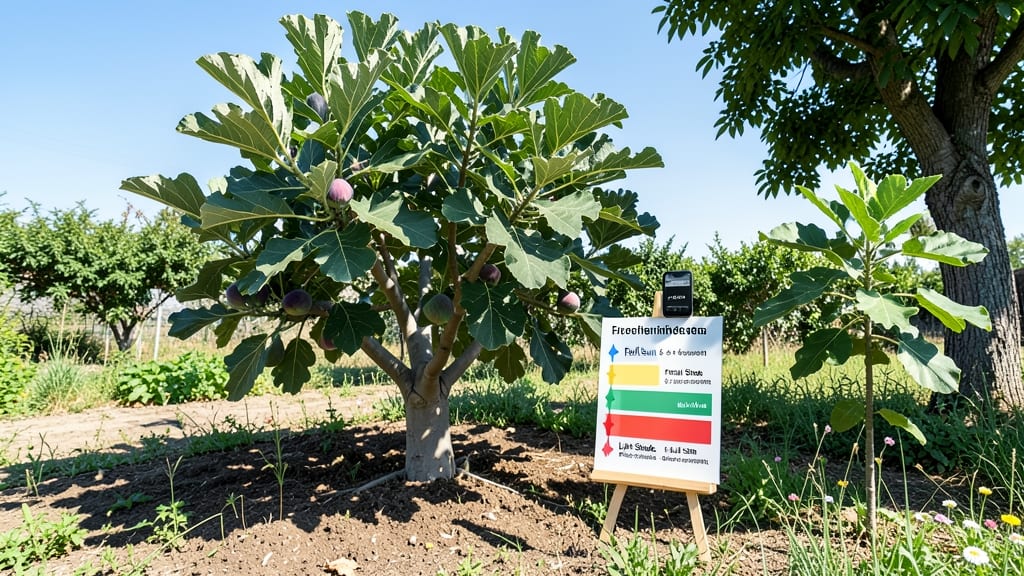
If your 🍈 fig plant looks sad—droopy leaves, sparse growth, or no fruit—how much light does a fig plant need might be the missing piece of the puzzle. Figs are sun-worshippers, but getting the balance right can feel like solving a riddle.
Too little light and they’ll struggle; too much, and you’ll end up with crispy leaves instead of luscious figs.
I’ve watched my own fig trees transform from struggling underplants to thriving powerhouses once I cracked the light code. The secret isn’t just throwing them into the brightest spot—it’s understanding how much light they really need, whether you’re growing them indoors by a window or outdoors in your backyard.
Let’s break down the golden rule: 6-8 hours of direct sunlight is the sweet spot for most varieties, but there’s more to it than just hours.
Outdoor figs in USDA Zone 6a love basking in full sun, but indoor plants need strategic placement—think south-facing windows or grow lights. And here’s the kicker: some fig varieties, like the hardy Chicago Hardy, can handle a little shade, while others, like tropical types, demand constant brightness.
We’ll cover how to spot the signs of light stress and adjust before it’s too late.
Ready to turn your fig plant from struggling to thriving? Stick around—I’ll show you exactly how to give your plant the perfect light prescription, no guesswork involved.

Ideal sunlight requirements for fig plants: full sun vs partial shade
Fig plants are sun lovers, but finding the perfect balance is key to their success. In their natural Mediterranean habitats, figs bask in full sun for most of the day. Here in the U.S., this translates to 6-8+ hours of direct sunlight daily for optimal growth and fruiting.
Without enough light, your fig will struggle to produce those sweet, juicy fruits you crave.
However, not all fig varieties are created equal when it comes to sunlight tolerance. Common figs (Ficus carica) like 'Brown Turkey' or 'Celeste' thrive in full sun, while some cold-hardy varieties can tolerate slightly more shade.
The trick is understanding your specific variety's needs and adjusting accordingly. Too little light leads to leggy growth and poor fruit set, while too much can cause leaf scorch in hot climates.
Let's break down the sunlight spectrum for figs to help you create the perfect growing conditions. Whether you're growing in a sunny backyard, a greenhouse, or a bright indoor space, this guide will help you avoid common light-related pitfalls that can stunt your fig's growth or even kill it.
🌱
For outdoor figs in temperate climates (USDA Zones 7-9), aim for a south-facing location where your plant can soak up morning sun and gentle afternoon shade during peak summer heat.
In hot desert climates (Zones 9-11), provide afternoon shade to prevent leaf burn, while cooler maritime climates (Zones 6-7) can handle more direct sun year-round.
Seasonal adjustments are crucial too. In spring and fall, figs love full sun, but during summer's intense heat, they may appreciate 30-50% afternoon shade, especially in containers. Watch for signs like crispy leaf edges or wilting—these indicate your fig is getting too much sun.
Conversely, if leaves turn pale yellow or stems stretch excessively toward light, it's time to move your plant to a sunnier spot.
Indoor figs present unique challenges. A south-facing window is ideal, but even there, your plant may need supplemental grow lights during winter months when daylight is scarce. Place your fig within 1-2 feet of the window to maximize light exposure.
If you notice new growth slowing or leaves losing their vibrant green color, it's a clear sign your indoor fig needs more light.
🌿
One common mistake gardeners make is assuming all figs have the same light needs. Tropical fig varieties like 'Mexican White' can tolerate more shade than their Mediterranean cousins, but they'll still produce better fruit with plenty of light.
Always check your specific variety's requirements before planting. For container-grown figs, rotate the pot every few weeks to ensure even light exposure on all sides, preventing lopsided growth.
Remember, figs are remarkably adaptable once established, but they'll always perform best with maximum possible sunlight. The more light your fig receives, the more vigorous its growth and the more bountiful your harvest will be.
Start with these guidelines, then fine-tune based on your plant's specific responses throughout the growing season.
☀️
How to adjust light for indoor vs outdoor fig plants
Fig plants are sun-lovers, but their light needs shift dramatically between indoor and outdoor environments. If your fig plant is indoors, you’re likely dealing with limited natural light, while outdoor plants bask in full sun—sometimes too much.
I’ve learned the hard way that indoor figs need a south-facing window or grow lights, while outdoor figs might need afternoon shade in scorching climates. Let’s tackle the specifics so you can optimize your plant’s light exposure.
For indoor fig plants, aim for a spot near a south-facing window where they can get 6-8 hours of direct sunlight. If your home lacks natural light, supplement with a grow light for 12-16 hours daily.
I use a full-spectrum LED light for my indoor fig, and it’s made all the difference in fruit production. Without enough light, your plant will stretch toward the window—a condition called etiolation—leaving it weak and leggy.
Outdoor figs, on the other hand, thrive in full sun (6+ hours daily), but they can suffer in extreme heat. If you’re in a hot, dry climate, provide afternoon shade to prevent leaf scorch.
I’ve seen figs in my backyard wilt under the midday sun, but a simple shade cloth or strategic placement near a wall can save them. The key is balance: enough light for growth, but protection from scorching.
🌱
⚠️ Watch for These Light-Related Red Flags
Yellowing leaves or stunted growth? Your fig isn’t getting enough light. Brown, crispy edges? It’s getting too much. Leggy stems or few flowers? Adjust its position or add grow lights immediately. Ignoring these signs can lead to irreversible damage, so act fast!
If your fig is indoors, rotate it quarter-turns weekly to ensure even growth. Outdoor plants should be planted where they get morning sun and afternoon shade, especially in USDA Zone 6a or hotter. I’ve found that mulching around the base helps regulate soil temperature, keeping roots cool during peak heat.
For container-grown figs, move them outdoors during the day and bring them back inside at night if temperatures drop below 50°F (10°C).
Pro tip: Use a light meter or observe your plant’s leaves. If they’re a deep, vibrant green, you’re on the right track. Pale or yellow leaves? It’s time to adjust. I’ve also noticed that fig varieties like Celeste tolerate partial shade better than Brown Turkey, which demands full sun.
Tailor your approach to your specific variety for the best results.
Remember, figs are resilient once you get their light needs right. Start with small adjustments—move the pot closer to the window or add a shade cloth outdoors—and monitor your plant’s response. With the right light, your fig will reward you with lush foliage and sweet, homegrown fruit.