
Plants
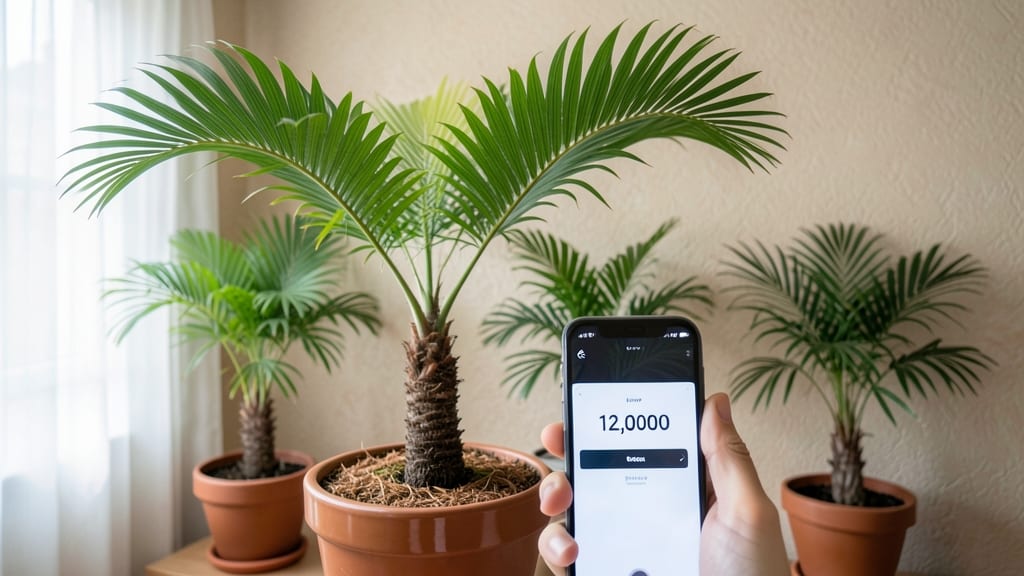
If your 🌴 palm plant looks more like a sad, droopy friend than a thriving tropical star, you’re probably missing the key detail: how much light does a palm plant need? Too little, and it stretches awkwardly toward the window; too much, and those beautiful fronds crisp up like toast.
The secret to keeping your palm lush and vibrant lies in understanding its light needs—and it’s not as complicated as you might think.
Most palms crave bright, indirect sunlight, but not all species are created equal. Some, like the hardy Areca or the elegant Kentia, can handle lower light conditions indoors, while others, such as the dramatic Majesty Palm, demand more intensity.
The good news? With a few simple adjustments—like rotating your plant or choosing the right spot—you can create the perfect lighting conditions, whether you’re working with a sun-drenched patio or a cozy living room.
In this guide, I’ll break down exactly how much light your palm needs, from indoor varieties that thrive near north-facing windows to outdoor palms basking in filtered sunshine.
You’ll learn how to spot the telltale signs of light stress (those yellow fronds are screaming for help!) and how to tweak your setup for year-round success. Let’s get your palm back to its glory days—no guesswork required.
Ready to transform your palm from struggling survivor to showstopper? The first step is simple: find the right light balance, and your plant will thank you with faster growth, richer colors, and a whole lot more personality. Let’s dive in.

Ideal light requirements for different palm plant species
Palm plants thrive under bright, indirect sunlight, but their needs vary dramatically by species. Some, like the Majesty Palm, crave full sun, while others, such as the Kentia Palm, prefer filtered light.
Understanding these differences is key to preventing yellow fronds or brown tips—common signs of light stress. Let’s break down the ideal light conditions for popular palms to help you choose the perfect spot for your plant.
Most palms fall into three light categories: low light, medium light, and bright light. Low-light palms, like the Parlor Palm, tolerate dim corners, while bright-light varieties, such as the Pygmy Date Palm, need at least 6 hours of direct sun daily.
Misjudging light exposure can stunt growth or even kill your palm, so let’s dive into the specifics for each type.
| Palm Species | Light Needs | Signs of Stress | Best Placement |
|---|---|---|---|
| Areca Palm | Bright, indirect light (50-70% shade) | Yellow fronds, slow growth | East or west-facing window |
| Kentia Palm | Low to medium light (20-50% shade) | Brown leaf tips, drooping fronds | North-facing window or filtered light |
| Majesty Palm | Full sun to partial shade (6+ hours) | Bleached fronds, crispy edges | South or west-facing patio |
| Parlor Palm | Low light (10-30% shade) | Stunted growth, pale fronds | Dim corner or artificial grow light |
| Pygmy Date Palm | Full sun (8+ hours) | Yellowing leaves, weak stems | Outdoor in full sunlight |
The Areca Palm and Kentia Palm are two of the most popular indoor palms, but they have opposite light preferences. My Areca Palm thrives near my east-facing window, where it gets morning sunlight without harsh afternoon rays.
Meanwhile, my Kentia Palm sits in a north-facing corner, where the light is softer. If you notice yellowing fronds on your Areca, it might need more light, while a Kentia with brown tips could be getting too much direct sun.
Outdoor palms, like the Majesty Palm or Pygmy Date Palm, need full sun exposure to reach their full potential. These varieties can handle 6+ hours of direct sunlight daily, making them perfect for south-facing patios or sunny garden beds.
However, even outdoor palms can suffer from too much midday sun, especially in hot climates. Providing afternoon shade with a sheer curtain or tree canopy can prevent leaf scorch.
Watch for visual cues that indicate your palm isn’t getting the right light. Slow growth or stunted fronds often mean it’s not getting enough light, while crispy edges or bleached patches signal too much direct sun.
Rotate your palm quarter-turns every few weeks to ensure even growth, especially if it’s placed near a window. This simple step helps prevent lopsided development and keeps your palm looking lush and balanced.
If you’re unsure whether your palm is getting enough light, try the shadow test. Place a piece of paper near your palm during peak sunlight hours. If the shadow is smaller than the fronds, it’s likely getting too much direct sun.
If the shadow is larger than the fronds, it might need a brighter spot. Adjusting your palm’s location based on this test can make a world of difference in its health.
For indoor palms, grow lights can be a game-changer during winter months when natural light is scarce. A full-spectrum LED grow light placed 12-18 inches above your palm for 12-14 hours daily mimics natural sunlight and keeps your plant thriving.
I use a 15-watt grow bulb for my Kentia Palm in winter, and it’s made all the difference in preventing frond drop.
Remember, light needs change with seasons. In summer, your palm might need more shade to avoid heat stress, while winter may require supplemental lighting. Pay attention to how your palm responds to its environment, and don’t hesitate to adjust its placement as needed.
With the right light, your palm will reward you with vibrant fronds and healthy growth for years to come.
🌴
How to adjust your home’s lighting for palm plant success
Positioning your palm plant correctly in your home can make all the difference between a thriving tropical beauty and a struggling survivor. Most palms thrive with bright, indirect light, but not all homes provide this naturally.
Start by placing your palm near a south-facing window, where it can receive gentle morning sunlight and softer afternoon light.
If your home lacks natural light, especially in north-facing rooms, consider supplementing with grow lights. LED grow lights designed for indoor plants can mimic natural sunlight, providing the 6-8 hours of light most palms need daily.
Place the light 12-18 inches above the plant and keep it on for 12-14 hours a day during winter months when daylight is scarce.
Avoid placing your palm in direct midday sun, especially through west-facing windows. The intense rays can scorch fronds, causing brown, crispy tips. Instead, use sheer curtains to diffuse harsh light while still allowing plenty of brightness.
For outdoor palms, provide dappled shade during peak sun hours (10 AM–2 PM) by positioning under trees or using shade cloth with a 30-50% coverage.
Rotate your palm plant every 4-6 weeks to ensure even growth. Palms naturally grow toward light, so one side can become leggy or uneven if left in the same spot. A quick quarter-turn keeps fronds symmetrical and encourages balanced development.
Watch for signs of light stress like yellowing fronds or slow growth, which may indicate insufficient light. Conversely, brown patches or bleached tips signal too much direct sun. Adjust placement gradually—move plants incrementally rather than suddenly—to avoid shocking their delicate fronds.
In low-light rooms, opt for low-light tolerant palms like the Parlor Palm or Kentia Palm. These varieties adapt better to 2000-5000 lux of light, making them ideal for offices or dimly lit hallways. Pair them with a small grow light for extra support during winter.
Remember, every home’s lighting is unique. Experiment with different placements and observe your palm’s response. With the right balance, your palm will reward you with lush, vibrant growth for years to come. 🌿