
Plants
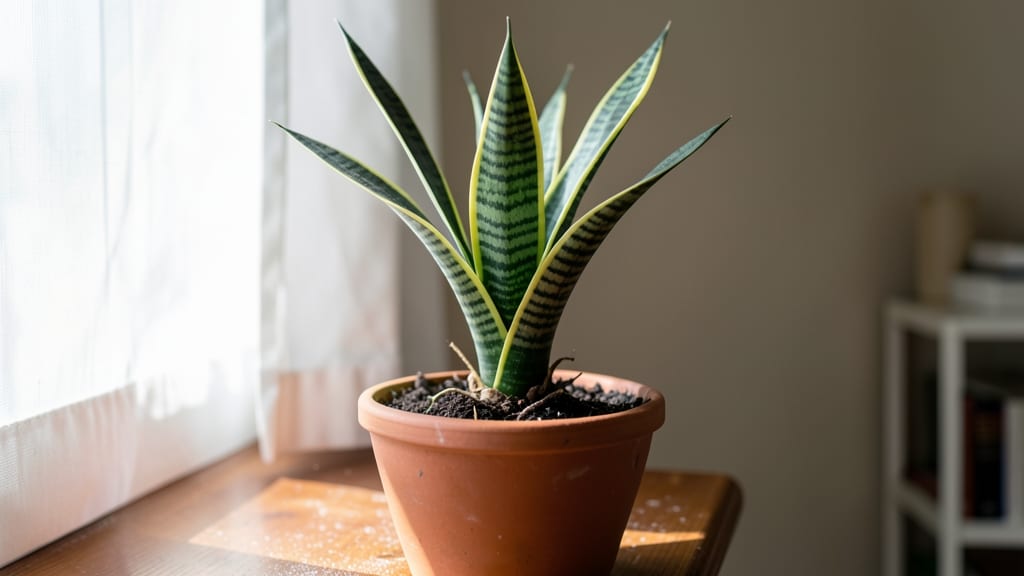
If you're wondering how much light does a rattlesnake plant need, the answer isn't as simple as "more is better"—this tropical beauty thrives on a delicate balance that keeps its stunning patterns vibrant. 🌿 The rattlesnake plant (Calathea orbifolia) hates harsh sunlight, but too little light can make its leaves dull and lifeless, robbing you of the drama it's famous for.
Picture this: your rattlesnake plant sitting in a bright corner where sunlight filters through sheer curtains, never touching its leaves directly. That's the sweet spot—bright indirect light is its secret to success. Too much direct sun? Watch as those gorgeous patterns fade to a sad, washed-out version of themselves.
But here's the kicker: every home's light is different, and your rattlesnake plant's needs might change with the seasons.
I'll show you exactly how to spot when it's getting just right (or when you've gone too far), plus some clever tricks to give it the perfect growing conditions—even if your space isn't naturally bright.
Whether you're dealing with a south-facing window that's too intense or a north-facing one that feels too dim, we'll cover it all. Let's get your rattlesnake plant looking its absolute best with the right light strategy.

Ideal light requirements for rattlesnake plant growth and leaf patterns
The rattlesnake plant (Calathea orbifolia) thrives in bright indirect light, mimicking its native tropical understory habitat. Unlike sun-loving plants, direct sunlight can scorch its delicate leaves, causing brown patches or crispy edges.
This plant’s stunning patterned foliage relies on consistent, diffused light to maintain its vibrant colors and intricate designs.
Think of it like a shady forest floor—your rattlesnake plant needs enough light to photosynthesize but not the harsh midday sun. A north-facing window or filtered light from an east-facing window is ideal.
If you notice fading patterns or dull green leaves, it’s likely not getting enough light, while yellowing or brown tips signal too much direct exposure.
Seasonal adjustments are key. During winter months, when natural light dims, supplement with a grow light (12 hours/day) to prevent legginess or pale leaves. In summer, move it away from south-facing windows to avoid overheating. The goal? Keep those leaves lush, upright, and full of contrast.
Here’s how to spot the perfect balance:
| Light Condition | Leaf Appearance | Action Needed |
|---|---|---|
| Bright Indirect Light (4-6 hrs) | Vibrant patterns, upright leaves | Perfect! Keep current placement. |
| Low Light (<4 hrs) | Dull green, leggy growth | Move closer to a window or add a grow light. |
| Direct Sunlight | Brown patches, crispy edges | Relocate to indirect light immediately. |
Pro tip: Rotate your plant quarter-turns every 2 weeks to ensure even growth. Uneven light exposure can cause leaves to tilt toward the source, disrupting their symmetrical beauty. Pair this with high humidity (50-70%) and consistent moisture to create the perfect tropical microclimate.
If your rattlesnake plant’s leaves start curling or developing white spots, it might be reacting to sudden light changes. Gradually acclimate it to brighter spots over 1-2 weeks to avoid shock. The key is patience—this plant rewards careful light management with show-stopping foliage.
Remember, less is often more with rattlesnake plants. They’re masters of thriving in low-to-medium light, but their patterns will always be most striking with the right balance. Experiment with placement, and don’t hesitate to use sheer curtains to diffuse harsh light.
🌿
How to adjust your home’s lighting for a thriving rattlesnake plant
Adjusting your home’s lighting for a rattlesnake plant isn’t just about finding the right window—it’s about creating the perfect microclimate that mimics its tropical home. Start by evaluating your space: east-facing windows provide gentle morning light, while west-facing windows can get too intense in the afternoon.
If your rattlesnake plant is near a south-facing window, place it at least 3 feet away to prevent leaf scorch.
For rooms with low natural light, like north-facing spaces, consider a grow light with a full-spectrum LED bulb (6400K color temperature). Position it 12-18 inches above the plant and keep it on for 12-14 hours daily.
Avoid cheap fluorescent bulbs—they emit too much heat and the wrong light spectrum, stressing your plant.
🌿
Even a few hours of direct midday sun can turn your rattlesnake plant’s leaves into crispy, brown messes. If you notice yellowing edges or white spots, move it immediately to a shadier spot. Sheer curtains or a light filter can help diffuse harsh rays.
If your rattlesnake plant develops leggy growth or pale leaves, it’s begging for more light. Try rotating it 90 degrees weekly to ensure even exposure. For extra security, place a humidity tray nearby—these plants thrive in 50-70% humidity, and dry air from heating/AC can stress them further.
Pro tip: Use a light meter app to check brightness levels. Aim for 1,000-2,000 foot-candles of indirect light. If your space falls short, supplement with a smart grow light on a timer. Consistency is key—rattlesnake plants hate sudden light changes, so transition them gradually over 1-2 weeks if moving locations.
For renters or small spaces, a north-facing window with a sheer curtain often works best. If that’s not an option, a west-facing window with afternoon shade is your next best bet.
Avoid placing your rattlesnake plant near air conditioning vents or heating ducts, as temperature fluctuations can cause stress.
Remember, the goal isn’t just survival—it’s show-stopping foliage. With the right lighting tweaks, your rattlesnake plant will reward you with bold patterns and upright, healthy leaves year-round.
Keep experimenting with placement, and don’t be afraid to get creative with reflective surfaces (like mirrors) to bounce light gently onto its leaves.
🪴