
Plants
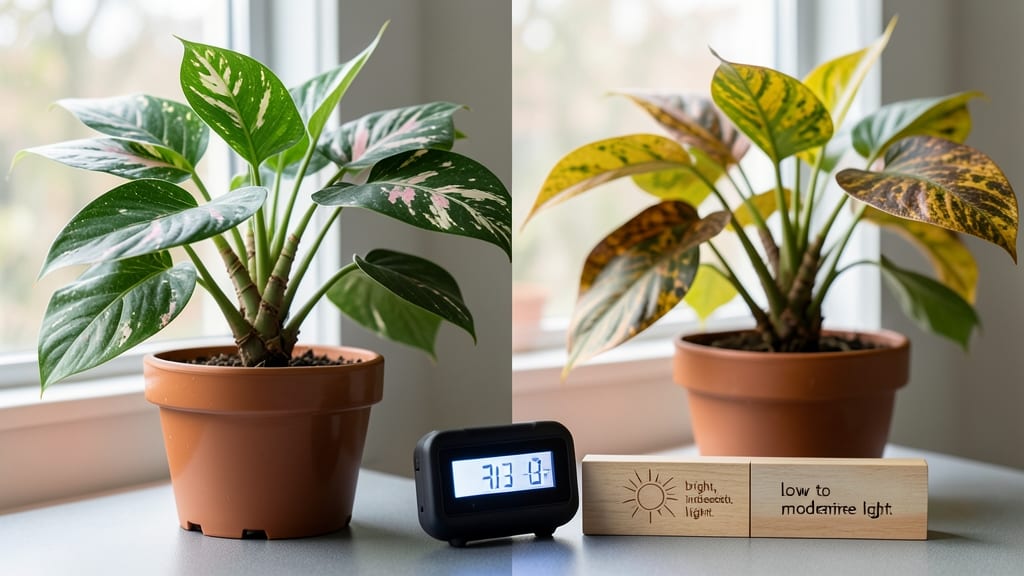
If you're wondering how much light does an arrowhead plant need, you’re probably noticing its sad state—yellowing leaves or stretched-out stems—and suspecting the wrong lighting is to blame.
The key to keeping this stunning foliage plant thriving lies in understanding exactly how much light it needs—and where to place it for that perfect balance.
Arrowhead Plants love bright, indirect light, but too much direct sun can scorch their delicate leaves, while too little leaves them weak and leggy. I’ll show you how to spot the ideal lighting conditions in your home, whether you’re dealing with a dim corner or a sunlit window.
You’ll discover the best window spots (like east or north-facing ones), how to adjust artificial lighting for low-light areas, and what to watch for when your plant starts sending signals—like crispy edges or pale leaves—that it’s struggling.
Let’s fix those light issues once and for all so your Arrowhead Plant stays lush, vibrant, and full of life year-round.

Ideal light requirements for arrowhead plants: bright indirect light explained
Your arrowhead plant (Syngonium podophyllum) thrives in bright indirect light, but too much sun or too little can spell disaster. Think of it like Goldilocks—you want conditions that are "just right" to keep those arrow-shaped leaves vibrant and healthy.
Direct sunlight can cause leaf burn, while low light leads to leggy, weak growth.
Most gardeners find success placing their arrowhead plant near a north or east-facing window, where it receives 4-6 hours of filtered light daily. This mimics the dappled sunlight found under a forest canopy, which is perfect for this tropical beauty.
If your home lacks natural light, don’t worry—grow lights can be a game-changer for keeping your plant happy.
Here’s the key: bright indirect light means your plant should be close enough to a window to cast a soft shadow but not so close that its leaves touch the glass. If you notice brown crispy edges on the leaves, it’s a sign of too much direct sun.
On the flip side, if the leaves are small, pale, and spaced far apart, your plant needs more light.
Arrowhead plants are adaptable, but they’re not in the dark—low light tolerance doesn’t mean they’ll thrive in dim corners. While they can survive in moderate to low light for short periods, prolonged exposure will stunt their growth.
If your plant starts looking stretched out or sparse, it’s time to move it closer to a brighter spot or supplement with artificial light.
For those with south-facing windows, use a sheer curtain to diffuse the harsh afternoon sun. This prevents sunburn while still providing enough light for your plant to photosynthesize efficiently.
If you’re unsure about your home’s lighting, observe your plant’s leaves for clues—healthy foliage should be deep green and glossy.
🌿
| Light Condition | Ideal Placement | Signs of Stress | Solution |
|---|---|---|---|
| Bright Indirect Light | 1-3 ft from east/north window | Healthy, glossy leaves | Perfect! No changes needed. |
| Direct Sunlight | South/west window without filter | Brown crispy edges, yellowing | Move to indirect light or use sheer curtain. |
| Low Light | North corner or dim room | Leggy growth, pale leaves | Rotate plant or add grow light (6-8 hrs/day). |
| Artificial Light | Fluorescent/LED 6-12 inches away | Slow growth if too weak | Use full-spectrum bulb; 12-14 hrs/day. |
If you’re using artificial lighting, opt for a full-spectrum LED or fluorescent bulb placed about 6-12 inches away from the plant. These lights mimic natural sunlight and are perfect for supplementing low-light conditions.
Keep the light on for 12-14 hours daily to mimic a full day cycle, and adjust the height based on your plant’s response—too close can cause leaf burn, while too far may not provide enough energy.
Another pro tip: Rotate your arrowhead plant every 2-4 weeks to ensure even growth. Plants naturally lean toward light sources, so turning them helps maintain a balanced shape and prevents lopsided foliage. This is especially important if your plant is near a single window or light source.
Seasonal changes can also affect your arrowhead’s light needs. During winter months, when daylight hours are shorter, you might need to supplement with grow lights or move the plant to a brighter spot.
Conversely, in summer, when the sun is intense, use curtains or blinds to filter harsh afternoon rays and protect your plant from heat stress.
Remember, the goal is to mimic the plant’s natural habitat—a humid, shaded understory in tropical forests. With the right light balance, your arrowhead plant will reward you with lush, vibrant growth and even produce white or pink flowers under ideal conditions.
🪴
How to adjust light for arrowhead plants in different rooms (with visual clues)
Not all rooms in your home offer the same lighting conditions, and your arrowhead plant (Syngonium podophyllum) will react differently depending on where you place it. For example, a south-facing window might provide too much harsh sunlight, while a north-facing window offers gentler, ideal light.
Understanding how to assess and adjust light in different spaces is key to keeping your plant thriving.
Start by evaluating your home’s natural light sources. East-facing windows provide morning sun—perfect for arrowhead plants—while west-facing windows can deliver intense afternoon light that may scorch leaves.
If your plant is in a room with no windows, like an office or bathroom, you’ll need to supplement with grow lights or move it closer to a brighter area.
Here’s a quick tip: If your arrowhead plant is growing toward the light source (a condition called etiolation), it’s stretching out because it’s not getting enough light. Rotate the pot quarter-turn every week to ensure even growth, especially if it’s near a single window.
For low-light areas, like basements or rooms with only artificial lighting, consider using a full-spectrum LED grow light for 12-14 hours a day. Place the light 6-12 inches above the plant and adjust based on leaf color—pale or yellowing leaves mean it needs more light.
If your plant is in a brightly lit room but still looks stressed, check for direct sunlight hitting the leaves. Arrowhead plants prefer filtered light, so use a sheer curtain to diffuse harsh rays while still allowing plenty of brightness to reach the foliage.
Seasonal changes also affect light exposure. In winter, when natural light is weaker, move your plant closer to a window or supplement with artificial light.
Conversely, in summer, watch for signs of leaf burn (brown, crispy edges) and adjust by moving the plant a few feet back from the window.
🌿
- Brown, crispy edges = Too much direct sun
- Pale, yellow leaves = Not enough light
- Leggy, stretched stems = Light is too weak
Pro tip: If you’re unsure about your room’s light levels, use a light meter app (available for free on smartphones) to measure the lux levels. Aim for 1,000-2,000 lux for optimal arrowhead plant growth—this mimics the bright, indirect light they love in their natural tropical habitat.
With these adjustments, your arrowhead plant will thrive in any room, whether it’s a sun-drenched kitchen or a dimly lit office corner. Keep an eye on its leaves, and don’t hesitate to tweak its location as needed!
☀️