
How To
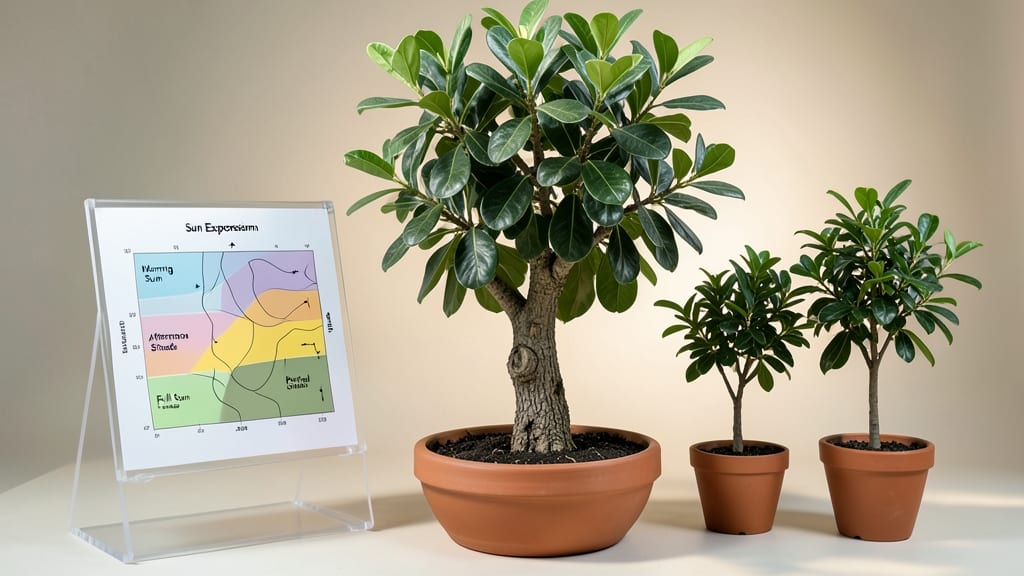
If your 🥑 avocado plant is struggling to thrive, you’re probably asking yourself: how much light does an avocado plant actually need? The answer might surprise you—because most people either overestimate or underestimate its sunlight requirements, leading to weak growth or even death.
Avocados are sun-lovers, but they’re not as forgiving as you’d think. Too little light, and your plant will stretch toward the window with sad, pale leaves. Too much direct sun, and those beautiful green leaves can scorch in a matter of days.
The sweet spot is 6–8 hours of bright, indirect sunlight daily, but how you achieve that depends on where you live and whether your plant is indoors or outside.
Whether you’re growing a seedling on your kitchen counter or nurturing a mature tree in your backyard, getting the lighting right is the key to healthy growth. I’ll break down exactly what your avocado needs at every stage—plus how to fix common mistakes before they become permanent problems.
Let’s dive into the lighting secrets that’ll transform your struggling avocado into a lush, leafy powerhouse.
You’ll learn how to spot the signs of over- or under-lighting, the best windows (or grow lights) to use, and how to adjust for your climate—so you can finally enjoy that homegrown avocado you’ve been dreaming of.

Avocado plant light requirements by growth stage: seedlings vs mature trees
If you've ever watched your avocado plant leaves turn yellow or droop despite your best efforts, you're likely dealing with a lighting issue. Avocados are sun-worshippers, and their needs change dramatically from seedling to mature tree.
Understanding these stages is key to keeping your plant thriving—whether it's growing in a sunny kitchen window or a backyard garden.
The minimum sunlight requirement for avocados is 6 hours of direct light daily, but most gardeners oversimplify this. Seedlings need gentle, indirect light to avoid scorching, while mature trees crave full sun exposure for fruit production.
Getting this balance wrong can mean the difference between a healthy, fruit-bearing tree and a struggling houseplant.
Here’s how to match your avocado’s light needs to its growth stage, complete with practical adjustments for indoor vs. outdoor cultivation:
| Growth Stage | Sunlight Needs | Indoor Adjustments | Outdoor Adjustments |
|---|---|---|---|
| Seedling (0-6 months) | 4-6 hours of bright, indirect light | South-facing window with sheer curtain; rotate weekly for even growth | Dappled shade (e.g., under tall trees); avoid harsh midday sun |
| Juvenile (6-24 months) | 6-8 hours of direct sunlight | Move to south or west window; supplement with grow lights 12-14 hrs/day | Full sun (6+ hours); prune nearby trees for unobstructed light |
| Mature (2+ years) | 8+ hours of full sun for fruiting | Not recommended long-term; transition outdoors if possible | South-facing location; mulch to retain moisture in hot climates |
For indoor avocado plants, the biggest mistake is assuming a sunny window is enough. Many home windows—even south-facing ones—provide only 2-4 hours of direct light on cloudy days.
I’ve seen seedlings stretch toward the light (a condition called etiolation) or develop weak stems because they weren’t getting enough intensity. The fix? Rotate your plant quarter-turns weekly and use a reflective surface (like a white wall or foil-covered box) to bounce extra light onto the leaves.
Outdoor avocados, on the other hand, need protection from extreme heat in desert climates. In USDA Zones 9-11, afternoon shade can prevent leaf scorch, while Zone 7 gardeners should wait until late spring to plant outdoors.
The key is monitoring your tree’s leaf color: dark green means it’s happy, but pale or yellowing leaves signal it’s time to adjust the light.
One pro tip I’ve learned from tropical gardeners: Avocados love humidity, so if you’re growing indoors, place a tray of water near the plant or use a pebble tray to increase moisture in the air. This mimics their native rainforest conditions and helps them handle bright light better.
If you’re growing from a seed, the first 3 months are critical. Place your seedling under a grow light on a timer (12 hours on, 12 hours off) to simulate natural daylight cycles. This prevents the leggy growth that occurs when seedlings don’t get enough light consistently.
For mature trees, prune lower branches to ensure the canopy gets even light exposure—this boosts fruit production by up to 30%.
Remember, light needs change with seasons. In winter, indoor avocados may need supplemental lighting, while outdoor trees in Zone 8 might benefit from a lightweight shade cloth during summer afternoons.
Pay attention to your plant’s cues, and don’t hesitate to move it closer to a window or adjust your grow lights as needed.
🌱
Signs your avocado plant isn't getting enough (or too much) light
Your avocado plant speaks volumes through its leaves—if you know what to listen for. Yellowing leaves are the most common red flag, but they’re just the beginning. When your plant isn’t getting enough light, you’ll notice pale, stretched-out stems (a condition called etiolation) as it desperately reaches for sunlight.
These stems grow weak and leggy, making your plant look like a sad, skinny sapling instead of a sturdy tree.
On the flip side, too much direct sunlight causes brown or crispy leaf edges, a clear sign of sunburn. You might also spot white or yellow patches on leaves, especially on the side facing the sun.
Both extremes stress your plant, stunting growth and even killing it if left unchecked. The key is finding that goldilocks balance—just enough light to keep leaves vibrant but not so intense it scorches them.
Here’s the tricky part: signs vary by growth stage. A seedling will show stress faster than a mature tree, but both react to light deprivation with slow growth and small, sparse leaves.
If your avocado’s leaves are dark green and glossy but growing slowly, it’s likely light-starved. If they’re dull and brittle with crispy edges, it’s getting too much harsh sunlight.
🚨 Warning: Don’t Ignore These Signs!
Under-lighting: Leaves turn yellow or pale, stems stretch weak and leggy, and new growth is slow or nonexistent. Your plant may also drop leaves suddenly.
Over-lighting: Leaves develop brown or white patches, edges crisp up, and the plant may wilt even with enough water. Severe cases lead to leaf drop.
If you spot these issues, act fast! Move your plant to a brighter spot (like a south-facing window) or provide artificial grow lights for 6–8 hours daily. For sunburned leaves, trim the damaged parts with clean pruning shears to encourage new, healthy growth.
Remember, avocados are sun-worshippers, but they need gentle, consistent light—not harsh midday rays.
Pro tip: Rotate your plant every few days if it’s indoors. This ensures all sides get even light exposure, preventing lopsided growth. A simple 180-degree turn weekly keeps your avocado balanced and thriving. Pay attention to how your plant reacts—its leaves will tell you exactly what it needs!
Now that you know the warning signs, you can adjust lighting before your avocado plant throws in the towel. Next, we’ll explore the best lighting solutions—whether you’re relying on natural sunlight or artificial grow lights—to keep your tree happy year-round. 🌿