
Plants
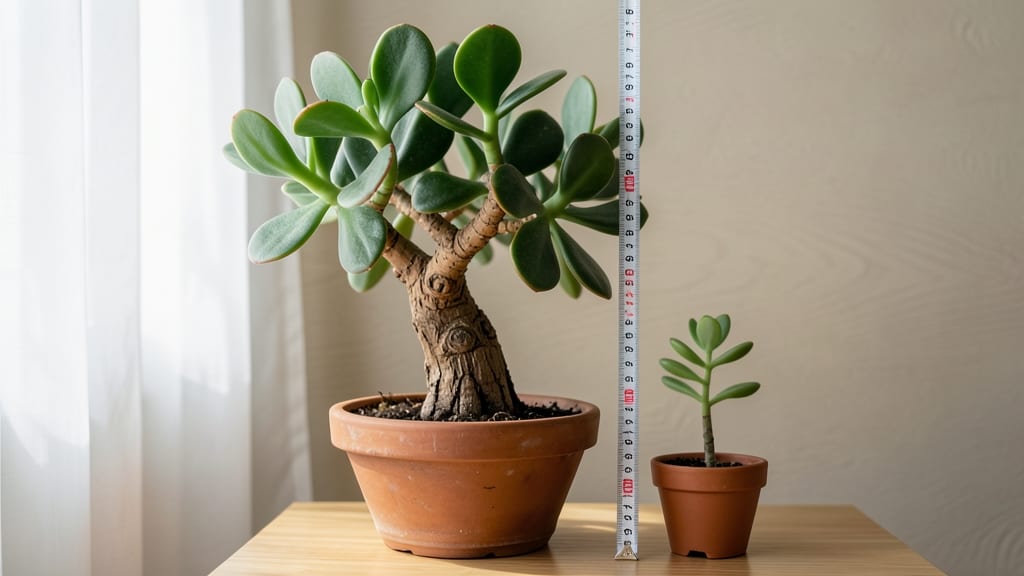
Ever wondered how tall a jade plant can grow before it starts dominating your space—or stays delightfully petite? The truth is, its height swings wildly between 2 feet indoors and 10 feet outdoors, depending on care choices you might not realize you’re making.
If you’ve ever pruned back overgrowth or moved your plant to a sunnier spot, you’ve already influenced its future size. But what if you want to control it—whether that means keeping it small for a tiny apartment or letting it stretch toward the sky in a sunny backyard?
The key lies in understanding how light, pot size, and even your pruning habits shape its growth trajectory.
Let’s break down exactly how tall your Jade Plant can grow under different conditions—and how to shape it to your space.
You’ll discover the surprising factors that determine whether your plant stays a 3-foot tabletop buddy or becomes a 6-foot statement piece, plus easy tricks to adjust its height on demand.
Whether you’re a first-time plant parent or a seasoned succulent grower, these insights will help you master your Jade Plant’s growth—so you’re never caught off guard by a sudden vertical spurt (or disappointed by stunted growth). Ready to take control?


Jade plant height limits: indoor growth factors that control its size
Your jade plant (Crassula ovata) can reach 2-4 feet tall indoors with proper care, but its growth depends heavily on light exposure, pot size, and pruning habits. Unlike its outdoor counterparts, indoor jade plants grow slower due to limited sunlight and controlled environments.
Understanding these factors helps you manage its height—whether you want a compact tabletop plant or a small tree.
One of the biggest influences on indoor height is light availability. Jade plants thrive in bright, direct sunlight, ideally 6+ hours daily. A south-facing window provides the best conditions, while north-facing windows may stunt growth to just 1-2 feet.
Without enough light, your plant will stretch unnaturally—a condition called etiolation—leading to weak stems and leggy growth.
Pot size also plays a critical role. Jade plants grow until their roots fill the container. A 5-inch pot limits height to 1-2 feet, while a 12-inch pot can encourage growth up to 4 feet.
Overpotting, however, can cause root rot due to excess moisture retention. Choose a pot with drainage holes and upgrade sizes gradually—only when roots circle the container.
| Factor | Indoor Height Impact | Actionable Tip |
|---|---|---|
| Light Exposure | 6+ hours sunlight → 3-4 ft 4 hours sunlight → 1-2 ft |
Rotate plant weekly for even growth; use grow lights if natural light is insufficient. |
| Pot Size | 5" pot → 1-2 ft 12" pot → 3-4 ft |
Repot every 2-3 years; choose terracotta for breathability. |
| Pruning Frequency | Monthly pruning → Compact shape No pruning → Leggy growth |
Trim leggy stems above leaf nodes; propagate cuttings for new plants. |
| Fertilizer Use | Balanced NPK → 20% faster growth No fertilizer → Slower growth |
Use 5-5-5 fertilizer every 6-8 weeks in spring/summer only. |
Pruning is another powerful tool to control height. Regularly trimming your jade plant’s leggy stems encourages bushier growth and prevents it from becoming top-heavy. Always cut just above a leaf node—the small bump where leaves grow—to promote new branches.
For a tree-like shape, let one central stem grow taller while pruning side branches. This technique can keep your plant at a manageable 2-3 feet while adding visual interest.
Temperature and humidity also affect growth. Jade plants prefer 65-75°F and struggle in humid conditions, which can lead to fungal issues and stunted growth. Keep your plant in a dry, warm environment—like a sunny windowsill—and avoid placing it near air vents or drafty areas.
In winter, growth slows naturally, so reduce watering and fertilizing until spring.
If you’re growing your jade plant in a small apartment, consider using grow lights to supplement natural light. LED grow lights placed 6-12 inches above the plant can provide the 6+ hours of light needed for healthy growth.
This setup allows you to maintain a 3-foot-tall plant even without a south-facing window, though it requires daily monitoring to prevent overheating.
For those with limited space, dwarf varieties like 'Hummel’s Sunset' stay between 1-2 feet tall and are perfect for shelves or desks. These varieties grow slower naturally but still require the same care as standard jade plants.
Always check the variety’s specific growth habits before purchasing to match your space and aesthetic goals.
Monitor your jade plant’s growth monthly by measuring its height and noting any changes in stem thickness. A healthy plant should grow 2-4 inches per year indoors. If growth stalls, reassess light, water, and pot conditions—often, a simple adjustment like moving to a brighter spot or repotting can reignite growth.
With the right care, your jade plant will thrive at a height that fits your home beautifully.
Remember, patience is key. Jade plants grow slowly but can live for decades with proper care. Whether you aim for a compact tabletop plant or a small indoor tree, understanding these growth factors gives you full control over its size and shape. 🌱
Outdoor jade plant growth: how sun, soil, and climate can double its height
When your jade plant escapes indoors and thrives outdoors, its growth potential skyrockets. While indoor plants typically max out at 3-4 feet, outdoor jade plants can stretch to 5-10 feet—or even taller in ideal conditions.
The difference? Sunlight, soil quality, and climate play starring roles in determining whether your plant becomes a compact shrub or a towering succulent tree.
In Mediterranean climates like Southern California or Spain, jade plants grow aggressively, reaching 8-10 feet with thick, woody stems and lush foliage. Meanwhile, in desert regions like Arizona, they may grow taller but with thinner stems due to intense sun exposure.
The key factor? Consistent sunlight—outdoor jade plants need 6+ hours of direct sun daily to reach their full height potential.
Soil type also makes a surprising difference. Jade plants thrive in well-draining, sandy soil mixed with perlite or grit. Heavy clay soils stunt growth by trapping moisture, while loamy, mineral-rich soil encourages rapid vertical expansion.
If you’re planting outdoors, amend native soil with 50% cactus/succulent mix to replicate their natural habitat in South Africa.
Outdoor Jade Plant Growth Comparison
| Condition | Mediterranean Climate | Desert Climate | Tropical Climate |
|---|---|---|---|
| Sunlight | Full sun (8+ hrs) | Intense sun (10+ hrs) | Partial sun (5-6 hrs) |
| Mature Height | 8-10 feet | 6-8 feet (thinner stems) | 5-7 feet (broader growth) |
| Growth Rate | Moderate (1-2 ft/year) | Fast (2-3 ft/year) | Slow (6-12 in/year) |
| Pruning Needs | Regular (2x/year) | Frequent (3x/year) | Minimal (annual) |
🌡️ Pro Tip: In hotter climates, mulch with gravel to prevent root rot while encouraging upward growth.
Seasonal growth patterns also influence height. Jade plants experience dormancy in winter, halting growth until spring. In USDA Zones 9-11, they grow year-round, adding 1-2 feet annually.
To maximize height, plant in spring (April-May) when soil temperatures exceed 60°F, giving roots time to establish before summer heat.
One common misconception is that outdoor jade plants always grow taller. In reality, overwatering or poor drainage can stunt growth or cause rot. Always plant on a slope or raised bed to prevent water pooling.
For container-grown outdoor plants, use pots with drainage holes and elevate them to mimic desert conditions.
If you’re aiming for a taller jade plant, focus on these three factors: full sun exposure, well-draining soil, and minimal pruning. With the right conditions, your outdoor jade plant could become a stunning vertical feature in your garden—far surpassing its indoor counterparts.
Just be prepared for the trade-off: taller plants require more structural support (like stakes) to avoid toppling in windy conditions.