
How To
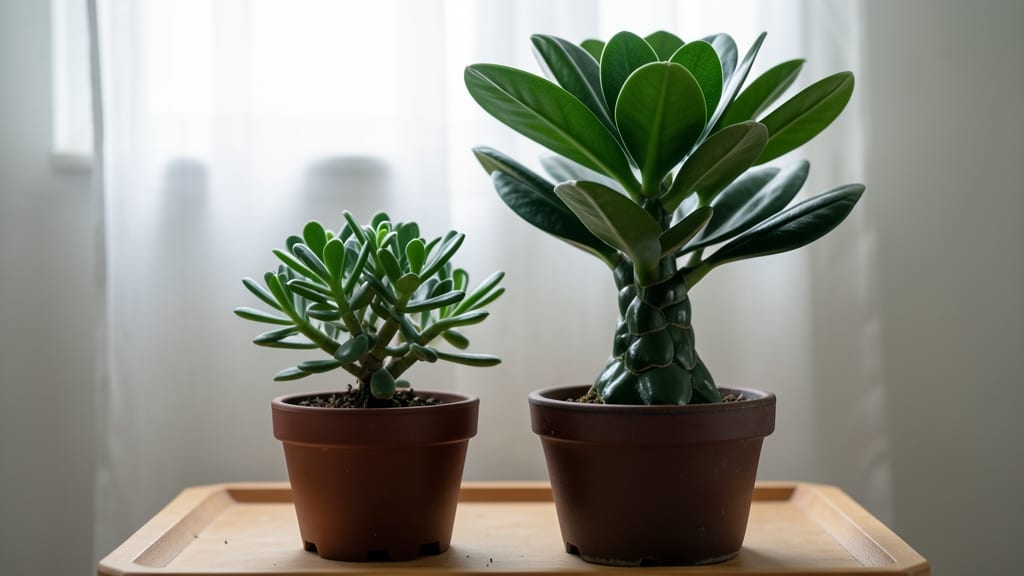
Wondering how tall can ZZ plant grow before it turns your living room into a jungle? This resilient houseplant might surprise you—indoors, it typically stays between 2 and 3 feet, but with the right care, it can stretch even taller.
The key lies in light exposure, pot size, and pruning habits that most plant owners overlook.
Outdoors in warmer climates, ZZ plants (Zamioculcas zamiifolia) can reach up to 6 feet, but your indoor 🌱 friend will rarely hit those heights unless you're intentionally cultivating a statement piece.
Most people prefer keeping them compact for shelves or desks, but that doesn't mean you can't encourage vertical growth if you're aiming for a dramatic centerpiece.
What many don't realize is that ZZ plants grow at their own pace—slowly but steadily—making them perfect for beginners or those who want low-maintenance greenery.
With just a few adjustments to your care routine, you can influence whether your plant stays at 1 foot or climbs toward 3 feet or more. Let's break down the factors that determine its height and how to control it.
Whether you're dealing with a tiny starter plant or a mature ZZ that's outgrown its spot, understanding these growth patterns will help you create the perfect environment. From pruning techniques to choosing the right container, these insights will keep your ZZ plant thriving—exactly the size you want, without the guesswork.


ZZ plant maximum height: natural growth vs. indoor limitations
If you’ve ever wondered, "How tall can my ZZ plant grow?" the answer depends entirely on its environment. In their native tropical habitats, ZZ plants (Zamioculcas zamiifolia) can reach stunning heights of up to 12 feet outdoors with ideal conditions.
However, indoors, their growth is typically much more modest—usually between 2 to 3 feet tall—due to limited space, light, and container size.
Understanding these differences is key to managing your plant’s height. Whether you’re aiming for a floor-filling statement piece or a compact tabletop plant, knowing how to control growth will help you avoid ceiling collisions or disappointment.
Let’s break down the factors that influence ZZ plant height and how to work with them.
🌱 Quick Sprout: ZZ plants grow slowly—expect only 6 to 12 inches of new growth per year under average indoor conditions. This makes them perfect for small spaces but requires patience for dramatic height gains.
| Factor | Indoor Growth | Outdoor Growth |
|---|---|---|
| Light Exposure | 2-3 ft (bright indirect light) | Up to 12 ft (full sun) |
| Container Size | Limited by pot (root-bound = stunted growth) | Unrestricted (sprawling roots) |
| Water Needs | Every 2-3 weeks (drought-tolerant) | More frequent (soil stays moist) |
| Growth Rate | Slow (6-12 inches/year) | Faster (1-2 ft/year) |
| Pruning Impact | Encourages bushiness (controls height) | Less common (natural shape) |
One of the biggest myths about ZZ plants is that they’ll grow uncontrollably indoors. While they can reach 3 feet tall with proper care, their growth is heavily influenced by light levels and container size.
For example, a ZZ plant in a small 6-inch pot will struggle to grow taller than 18 inches, while one in a large 12-inch pot with bright indirect light can easily hit 3 feet within 3-4 years.
If you’re dealing with low-light conditions, like a north-facing window or a dim corner, your ZZ plant will likely max out at 1.5 to 2 feet tall.
This is because ZZ plants are light-sensitive—they stretch toward light sources, a phenomenon called etiolation, which weakens stems and reduces overall health. To prevent this, place your plant near a bright, indirect light source (like a south- or west-facing window with a sheer curtain).
Another critical factor is root restriction. ZZ plants are root-bound sensitive—when their roots fill their container, they signal the plant to stop growing upward. This is why repotting every 2-3 years into a slightly larger pot (just 1-2 inches wider) can encourage taller, fuller growth.
However, if you’re aiming for a shorter, bushier plant, keeping it in the same pot will promote horizontal growth instead.
For those wondering about outdoor growth, ZZ plants can indeed become small trees in tropical climates, but they’re not cold-hardy. If you live in USDA Zones 9-11, you can grow them outdoors in partial shade, where they may reach 4 to 6 feet tall.
In cooler climates, treat them as seasonal outdoor plants or keep them indoors year-round.
Pro tip: If your ZZ plant starts to lean or stretch, it’s a sign it needs more light. Rotate the pot quarter-turns every 2 weeks to ensure even growth. This simple habit prevents lopsided growth and keeps your plant compact and symmetrical.
💡 Key Takeaway: Your ZZ plant’s height is 100% controllable with the right care. Whether you want a tall floor plant or a small desk companion, adjusting light, pot size, and pruning will help you achieve your desired look without surprises.
ZZ plant maximum height: natural growth vs. indoor limitations
The ZZ plant (Zamioculcas zamiifolia) is famous for its resilience, but its maximum height surprises many. In outdoor tropical settings, this plant can reach an impressive 10–12 feet tall—think small tree height!
However, indoors, its growth is dramatically limited by container size and light availability. Most houseplant ZZs stay between 2–3 feet tall unless you provide ideal conditions and space.
Your indoor ZZ plant’s height depends on three key factors: container size, light exposure, and pruning habits. A small pot restricts root growth, while bright indirect light encourages taller stems.
Without intervention, your ZZ could stretch toward a ceiling-safe 4–5 feet in rare cases, but this requires careful management. Let’s break down what’s realistic for your space.
| Growth Factor | Indoor Height Range | Outdoor Height Range |
|---|---|---|
| Standard Pot (10–12") | 2–3 ft | N/A |
| Large Container (16"+) | 3–5 ft | N/A |
| Bright Indirect Light | 3–4 ft | 10–12 ft |
| Low Light Conditions | 1–2 ft | N/A |
| No Pruning | Up to 5 ft (rare) | 10–12 ft |
| Regular Pruning | 1–3 ft (compact) | N/A |
If you’ve ever wondered why your ZZ plant’s growth slows after the first year, it’s likely due to root-bound conditions or limited light. Unlike outdoor tropical environments where ZZs grow tall and bushy, indoor ZZs often stretch toward light sources (a sign of etiolation).
To prevent leggy growth, I recommend rotating your plant every few weeks and providing well-draining soil to encourage healthy root development.
For those with high ceilings, a ZZ plant can become a stunning vertical feature—just be prepared for regular pruning to maintain its shape. Without pruning, a 5-foot-tall ZZ is possible, but it may lose its compact, bushy form.
If you prefer a tabletop or floor plant, pruning stems back by 1/3 encourages fuller growth and keeps heights manageable.
One common misconception is that ZZ plants grow quickly. In reality, they’re slow growers, adding only 6–12 inches per year under optimal conditions. Patience is key—rushing growth with over-fertilizing can lead to root burn or leaf drop.
Instead, focus on consistent light and proper watering (every 2–3 weeks) to support steady, healthy growth.
Whether you’re aiming for a miniature ZZ or a statement indoor tree, understanding these growth limits helps you plan. Next, we’ll explore pruning techniques and repotting strategies to shape your ZZ plant exactly how you want it—without it taking over your space! 🌿