
How To
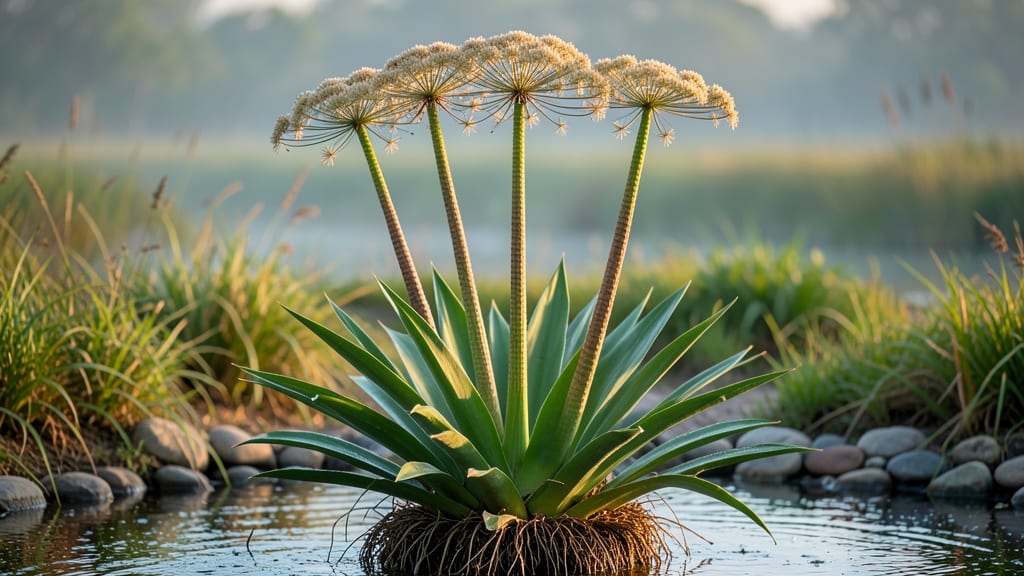
If you're wondering how tall does papyrus plant grow, you're not alone—this ancient-looking beauty can reach surprising heights, but its size depends entirely on where you grow it.
Native to swamps and wetlands, papyrus (🌿 Cyperus papyrus) can tower over 12 feet in its natural habitat, making it a statement piece for outdoor spaces.
For gardeners in USDA Zone 6, outdoor papyrus thrives with plenty of moisture and sun, often hitting its mature height of 10-15 feet over just a few years. But if you're dreaming of bringing this striking plant indoors, you'll need to adjust your expectations—and your care routine.
Indoor papyrus stays much more manageable, typically reaching 3-6 feet when grown in containers with proper light and pruning. The key to controlling its height lies in understanding its needs, whether you're working with a standard variety or a rare dwarf type.
In this guide, I’ll break down everything you need to know—from natural growth habits to container care—so you can decide if papyrus is the right fit for your space. Let’s dive in!


Papyrus plant height guide: outdoor growth limits and natural habitat
When you imagine a papyrus plant, towering reeds along ancient Egyptian waterways likely come to mind—and for good reason! In its natural habitat, Cyperus papyrus can reach 10 to 20 feet tall, creating dramatic, cathedral-like structures along riverbanks.
This tropical grass thrives in USDA Zones 6-11, where warm climates and abundant moisture fuel its rapid growth.
The plant’s height is directly tied to its water-dependent roots and sunlight exposure. In ideal conditions—like the Nile River Delta—papyrus can grow up to 15 feet in a single season.
However, cooler climates or partial shade will stunt its growth, often keeping it between 6 to 10 feet tall. Understanding these factors helps you set realistic expectations for your outdoor garden.
Historically, papyrus was used for paper-making, boats, and even food in ancient civilizations. Today, it’s prized as an ornamental plant that adds textural drama to water gardens, ponds, or marshy areas.
If you’re planting outdoors, ensure your space can accommodate its mature height—or risk trimming it back frequently to control its size.
🌿
| Growth Factor | Outdoor Height Range | Ideal Conditions |
|---|---|---|
| Natural Habitat | 10–20 feet | Full sun, swampy soil, warm climate |
| Cooler Climates | 6–10 feet | Partial shade, shorter growing season |
| First Year Growth | 2–4 feet | Establishing roots, slower growth |
| Mature Height (Years 2–3) | 10–15 feet | Full sun, consistent moisture |
If you’re planting papyrus outdoors in a USDA Zone 6 or higher, aim for a location with at least 6 hours of sunlight daily and moist, well-draining soil.
The plant’s roots need to stay partially submerged in water, which is why it’s often found in pond edges or marshy areas. Without these conditions, its growth will be significantly slower, and it may never reach its full potential height.
For those in cooler regions, consider planting papyrus in large containers that you can move indoors during winter. This protects it from frost damage while still allowing it to grow 6 to 8 feet tall in a single season.
Just be prepared for seasonal height fluctuations—papyrus can shrink back in winter but will bounce back with warmth.
One of the most exciting aspects of growing papyrus is watching its plume-like flowers emerge in late summer. These feathery tops can add another 1–2 feet to its height, making it a showstopper in any landscape.
To encourage this, ensure your plant has plenty of space to spread its roots—at least 3 feet in diameter for each mature plant.
🌳
If you’re unsure whether your climate supports papyrus, start with a smaller variety or plant it in a controlled water feature. Over time, you can experiment with pruning techniques to manage its height, such as cutting back overgrown stems in early spring.
This not only keeps it neat and tidy but also encourages denser, bushier growth.
For maximum height, pair your papyrus with companion plants like cattails or water lilies to create a natural wetland ecosystem. Together, they’ll thrive in the same moist conditions while adding layers of textural interest to your garden.
Just remember: papyrus is a fast grower, so plan for its space needs before planting!
Indoor papyrus growth: managing height in containers and small spaces
Growing papyrus indoors is possible, but controlling its height requires intentional care. Unlike its towering outdoor cousins, indoor papyrus typically maxes out at 3-6 feet—a manageable size for most homes. The key lies in selecting the right container size and providing optimal light conditions to prevent rapid vertical growth.
When choosing a container, opt for a wide, shallow pot with drainage holes to mimic its natural swampy habitat. A 12-18 inch diameter pot gives roots room to spread while limiting upward growth. Smaller pots restrict root expansion, which naturally slows height increases.
Light is another critical factor—indoor papyrus needs 6+ hours of direct sunlight daily. Place your pot near a south-facing window or supplement with a grow light to prevent leggy, stretched growth. Without enough light, your papyrus may grow tall and weak, struggling to support its own weight.
⚠️ Warning: Overwatering Can Stunt Growth
While papyrus loves moisture, soggy soil leads to root rot and stunted growth. Always use a pot with drainage holes and let the top inch of soil dry slightly between waterings. In winter, reduce watering to every 7-10 days as growth slows.
Pruning is essential for maintaining a compact shape. Trim back leggy stems in early spring to encourage bushier growth. Use clean, sharp scissors to cut just above a leaf node. Regular pruning not only controls height but also removes dead or yellowing foliage, keeping your plant healthy.
For best results, fertilize lightly every 4-6 weeks during spring and summer using a balanced 5-10-10 fertilizer. Avoid heavy feeding, which can cause rapid (and unwanted) height spikes. In fall and winter, skip fertilizing entirely to let your plant rest.
With these care tips, you can enjoy a lush, manageable indoor papyrus that adds tropical drama without overwhelming your space. Just remember: light control and regular pruning are your best tools for keeping this ancient plant at a civilized height!