
Watering
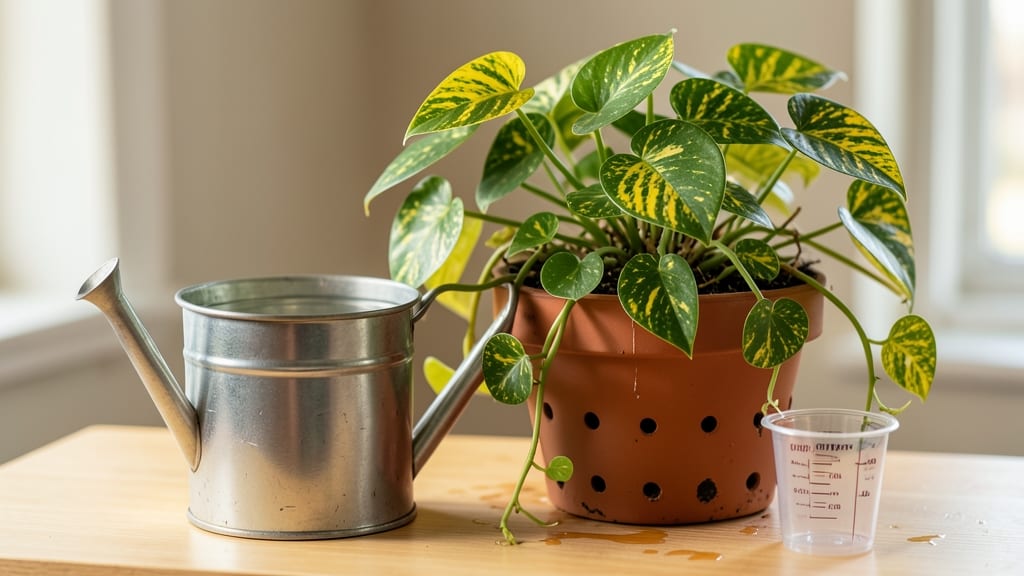
Figuring out how much water your money plant 💵 needs can feel like a guessing game—water it too much, and you’ll end up with sad, droopy leaves or worse, root rot.
But get it just right, and you’ll reward yourself with lush, vibrant growth that’s the envy of any indoor jungle.
Here’s the truth: money plants thrive when their soil stays slightly moist but never soggy. Most gardeners overdo it, thinking these tropical plants crave constant hydration, but in reality, they’re more forgiving than you’d expect.
The key is checking the soil before watering—stick your finger an inch deep, and if it’s dry, it’s time to water.
In this guide, I’ll break down the exact watering schedule you need, from seasonal adjustments to pot size tips, so you can keep your money plant happy without the guesswork.
Whether you’re a beginner or just looking to refine your routine, these steps will help you avoid the most common mistakes.
Ready to master the art of watering? Let’s dive into the simple habits that’ll keep your money plant flourishing year-round—no green thumb required.

Money plant watering schedule: how often to water by season and pot size
Your money plant thrives on a consistent watering routine that balances its tropical roots with indoor dryness. Unlike drought-tolerant succulents, it prefers slightly moist soil but despises soggy conditions that lead to root rot.
The key? Water when the top 1-2 inches of soil feel dry to the touch—this mimics its natural humidity without overdoing it.
Seasonal changes dramatically alter your watering needs. During spring and fall, when your plant is actively growing, you’ll water every 7-10 days. But in summer’s heat, evaporation speeds up, so check soil moisture every 5-7 days.
Winter slows growth, so reduce to monthly watering unless your home stays very dry.
Pot size plays a critical role too. A small 6-inch pot dries out faster than a large 12-inch container. In tiny pots, water every 5-7 days regardless of season, while larger pots may only need watering every 2-3 weeks. Always use pots with drainage holes to prevent waterlogging.
Visual cues save time: Wilted leaves or drooping vines signal thirst, while yellowing leaves or mushy stems mean you’ve overwatered. Stick your finger 1-2 inches deep into the soil—if it’s dry, it’s time to water. If damp, wait another day or two.
Morning watering is ideal—it gives roots time to absorb moisture before evening humidity sets in. Use room-temperature water (never cold) to prevent shocking the roots. For terracotta pots, water more frequently since they dry out faster than plastic.
If your home has low humidity, mist the leaves occasionally to mimic tropical conditions.
Pro tip: Group your money plants together on a drip tray to create a microclimate. The collective humidity from multiple plants reduces how often you need to water each one. Just ensure the tray has drainage to avoid water pooling at the roots.
Watch for seasonal light changes too. More sunlight in summer means faster evaporation, so adjust your watering schedule accordingly. In winter, reduce watering even if your plant stays in the same spot—lower light levels slow moisture loss.
Remember, underwatering causes crispy leaf edges and slow growth, while overwatering leads to yellow leaves and root rot. The 1-2 inch soil check is your best friend—trust it over a rigid schedule. Every money plant is unique, so adjust based on your home’s specific conditions.
Start with this schedule, then fine-tune based on your plant’s response. Within a month, you’ll have a thriving money plant that rewards your attention with lush, vibrant growth. 🌿
Signs your money plant is thirsty vs. drowning (and how to fix it)
Money plants are tough survivors, but they send clear signals when their watering routine is off. Underwatering causes crispy leaf edges and slow growth, while overwatering leads to yellow leaves and mushy stems. The key is learning to read your plant’s cues before damage becomes permanent.
Start by checking the soil moisture with your finger. Stick it about an inch deep—if it feels dry, your plant needs water. If it’s still damp, hold off for another day. This simple test saves money plants from both extremes every time.
Visual cues are your next clue. Healthy money plant leaves are thick, glossy, and vibrant green. Brown, crispy edges mean the plant is thirsty, while yellowing leaves that droop or feel soft signal overwatering. Don’t ignore these warnings—they’re your plant’s SOS.
🌿
If you spot root rot, act fast. Remove the plant from its pot and inspect the roots—healthy roots are firm and white, while rotten roots are brown and mushy. Trim away any damaged roots with clean scissors, then repot in fresh, well-draining soil.
For underwatered plants, give them a deep drink by watering until it runs out the drainage holes. Place the pot on a saucer filled with water for 10 minutes to revive the roots. After recovery, adjust your watering schedule to keep the soil consistently moist but never soggy.
Pro tip: Group your money plants together to create a microclimate with higher humidity. This reduces the frequency of watering while keeping leaves lush and happy. A simple pebble tray with water beneath the pots works wonders in dry indoor environments.
💧