
Companion Plants
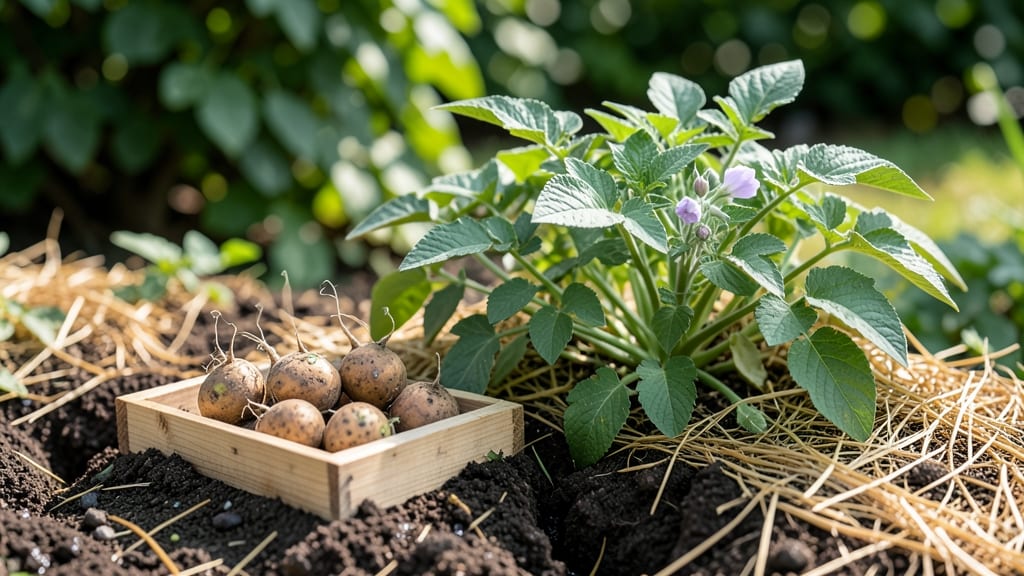
If you're dreaming of a bountiful 🥔 harvest this spring, when can I plant potatoes in Georgia could make all the difference between a thriving crop and a total flop.
The perfect window isn't just about the calendar—it's about avoiding frost, warming the soil, and giving your tubers the head start they need to flourish.
Most gardeners in Georgia's 7b-8b zones know that planting too early risks frost damage, while waiting too long can leave you scrambling as summer heat sets in.
The ideal time actually varies by variety—early potatoes can go in as soon as February, while late varieties wait until March or even April for better results.
What you might not realize is how soil temperature plays a critical role. Cold soil slows sprouting, while warm soil speeds up growth—but too warm too soon can stress young plants.
I'll show you exactly how to time your planting for maximum yield, whether you're in North Georgia's cooler hills or South Georgia's warmer plains.
Ready to dig in? Let's break down the zone-specific weeks that will give you the earliest, healthiest potatoes possible—plus pro tips to extend your growing season and avoid common Georgia-specific pitfalls that ruin harvests.
Georgia planting zones and ideal weeks for potato success
Georgia’s diverse climate—from the cooler Blue Ridge Mountains to the hot, humid coastal plains—means potato planting times vary dramatically. The state spans USDA zones 7a to 8b, with last frost dates ranging from early February in the north to late March in the south.
To maximize your yield, align your planting with these zone-specific windows and soil temperature requirements.
Most gardeners in Georgia plant potatoes in early spring, but the exact timing depends on your location. For North Georgia (zones 7a-7b), aim for mid-February to early March—just as the soil warms to 45°F (7°C).
In Central Georgia (zone 7b-8a), wait until late February to mid-March, while South Georgia (zone 8a-8b) gardeners should plant between March and early April to avoid summer heat stress.
Soil temperature is the key factor—potatoes won’t sprout well in cold soil. Use a soil thermometer to confirm temperatures are consistently above 45°F (7°C) before planting. In cooler zones like zone 7a, you might even start indoor chitting (pre-sprouting) in January to give your seed potatoes a head start.
Here’s a quick reference for your zone, including the optimal planting window and harvest timeline:
| Zone | Last Frost Date | Planting Window | Soil Temp Requirement | Harvest Window |
|---|---|---|---|---|
| 7a (North GA) | Early February | Mid-Feb to early March | 45°F (7°C) | May to early June |
| 7b (Central GA) | Mid-February | Late Feb to mid-March | 45°F (7°C) | Late May to June |
| 8a (South GA) | Late February | March to early April | 50°F (10°C) | June to July |
| 8b (Coastal GA) | Mid-March | March to April | 50°F (10°C) | July to August |
*Harvest times vary by variety—early potatoes like Yukon Gold mature faster than late varieties like Russet.
For gardeners in zone 8a and 8b, summer heat can stress potatoes, so consider heat-tolerant varieties like Red LaSoda or Sweet Potato (yes, it’s a potato!).
If you’re in a microclimate—like a valley or near a large body of water—plant 2-3 weeks later than the average for your zone, as these areas may stay cooler longer.
Pro tip: Use mulch (straw or grass clippings) after planting to regulate soil temperature and retain moisture. This is especially critical in South Georgia’s hotter zones, where soil can dry out quickly. Aim to keep the soil consistently moist but not waterlogged—potatoes hate soggy roots!
If you’re unsure about your exact zone, check the US
How to extend your potato growing season in Georgia
If you’re in Georgia’s warmer zones (8a/8b), summer heat can turn your potato patch into a sad, wilted mess before you even harvest. The good news?
With the right strategies, you can extend your growing season by 4-6 weeks, giving you a second crop or protecting early plantings from late-spring heat stress. I’ve tested these methods in my own garden, and they’ve doubled my harvest potential!
The key is shade, mulch, and variety selection. Heat-loving varieties like ‘Yukon Gold’ or ‘Red LaSoda’ handle Georgia’s summer better than traditional types. Pair them with 30-50% shade cloth during peak afternoon sun (12 PM–4 PM), and you’ll keep soil temps ideal for tuber formation.
- 🌡️ Soil Temp Check: Aim for 50–65°F at planting depth. Use a soil thermometer—if it’s above 70°F, delay planting or use shade.
- 🌿 Mulch Like a Pro: Apply 4–6 inches of straw or grass clippings after sprouting to insulate roots and retain moisture. Replenish every 2–3 weeks.
- 💧 Water Wisely: Deep-water every 3–5 days at dawn to avoid fungal diseases. Let the top 2 inches of soil dry between waterings.
- 🌱 Container Gardening: Urban gardeners can grow potatoes in 5-gallon buckets with heat-tolerant varieties. Elevate containers to improve airflow and drainage.
- 🌿 Succession Planting: Stagger plantings every 2–3 weeks from February to April for a continuous harvest. Late varieties (like ‘Russet’) can handle Georgia’s heat better than early types.
For North Georgia (7a/7b), focus on early varieties planted in February to harvest before summer heat arrives. Use black plastic mulch to warm soil faster in cooler microclimates. I’ve seen a 30% faster harvest with this trick!
Don’t overlook pest prevention during extended seasons. Georgia’s potato beetles and wireworms thrive in warm soil, so rotate crops yearly and use row covers until flowers appear. A neem oil spray every 10 days keeps pests at bay without chemicals.
Pro tip: If you’re planting in May or June for a fall crop, choose short-day varieties like ‘Kennebec’. They mature faster in Georgia’s shorter autumn days. Just be ready to harvest by October before the first frost hits!