
Plants
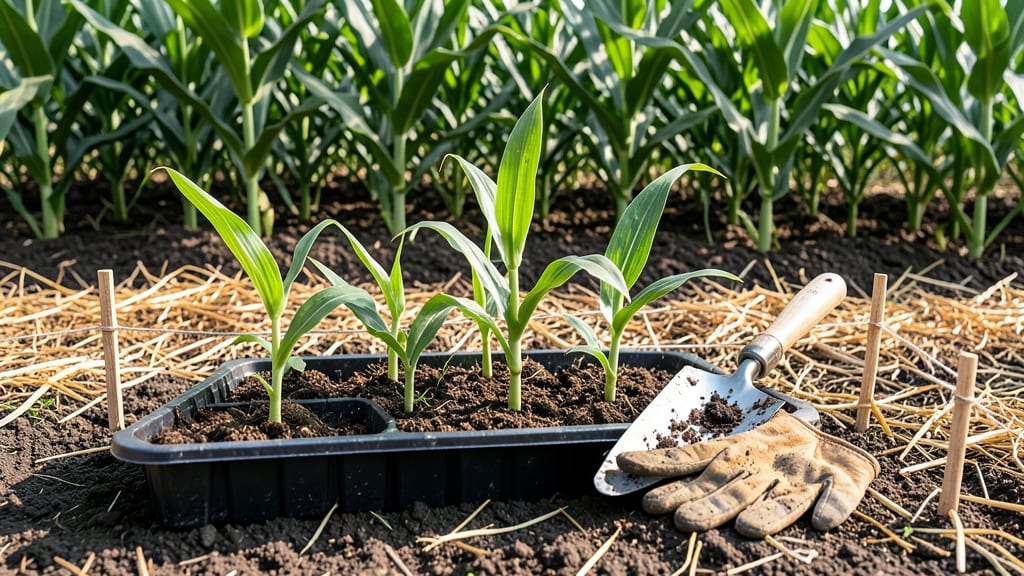
Timing your 🌽 corn planting in Oklahoma isn’t just about following a calendar—it’s about outsmarting the state’s unpredictable weather to guarantee a bountiful harvest.
With USDA zones ranging from 6b to 8a, getting the timing right means avoiding frost damage while maximizing those 180-220 frost-free days that make Oklahoma a corn lover’s paradise.
Most gardeners swear by planting between April 15 and June 1, but the exact window depends on your region’s microclimate and soil temperature. Too early? Your seeds might rot in cold soil. Too late? You risk stunted growth before Oklahoma’s summer heat sets in.
I’ll break down the week-by-week timeline that works for each corner of the state—so you can plant with confidence, whether you’re in the Panhandle or the Southeastern hills.
Here’s the game-changer: soil temperature matters more than dates. Corn needs 60°F+ soil to germinate, and waiting for that threshold (not just the last frost) can mean the difference between a thriving crop and a failed one.
Plus, I’ll share how to adjust for drought risks and companion planting tricks that Oklahoma gardeners swear by to boost yields.
Ready to turn your corn patch into a goldmine? Let’s dive into the exact planting schedule, variety recommendations, and pro tips that’ll have your 🌽 corn towering over your neighbors’ by summer. Your harvest starts with the right timing—and this is how you nail it.
Oklahoma corn planting calendar by region: exact weeks for optimal germination
Timing your corn planting in Oklahoma depends heavily on your USDA zone and microclimate. The state spans zones 6b to 8a, meaning frost dates vary wildly—from late March in the Panhandle to early November in the Southeastern hills.
To avoid frost damage, wait until soil warms to 50°F+ and use these region-specific windows.
For urban gardeners, city heat islands may push your last frost date 1-2 weeks earlier than rural areas. Always check the Oklahoma Mesonet for real-time soil temps before planting. Corn seeds need 60°F+ soil to germinate reliably—cold soil delays sprouting and invites rot.
Here’s your week-by-week planting guide for Oklahoma’s 5 key regions, based on average last frost dates and variety maturity. Adjust for early or late springs using the backup dates in the table below.
| Region | USDA Zone | Last Frost Date | Optimal Planting Window | Backup Window | Soil Temp Threshold |
|---|---|---|---|---|---|
| Panhandle (Amarillo, Guymon) | 7a-8a | March 20 - April 5 | April 15 - May 10 | May 15 (late spring) | 60°F+ |
| Western (Oklahoma City, Lawton) | 7a-7b | March 25 - April 10 | April 20 - May 15 | May 20 (late spring) | 55°F+ |
| Central (Stillwater, Norman) | 7a-7b | March 30 - April 15 | April 25 - May 20 | May 25 (late spring) | 55°F+ |
| Eastern (Tulsa, Muskogee) | 7a-7b | April 5 - April 20 | May 1 - May 25 | June 1 (early summer) | 50°F+ |
| Southeastern (McAlester, Idabel) | 7b-8a | April 10 - April 25 | May 5 - June 1 | June 10 (early summer) | 50°F+ |
🌱 Pro Tip: Use black plastic mulch to warm soil 5-10°F faster in cooler zones.
If you’re in Zone 6b (Central OK), aim for mid-April planting for short-season varieties like ‘Golden Bantam’ (85 days). For long-season hybrids (120+ days), start by late April to ensure ears mature before first frost.
In Zone 8a (Southeast), you can stretch planting into early June for fall harvests.
For urban gardeners, container-grown corn needs 2-3 weeks earlier planting to compensate for slower soil warming. Use 5-gallon pots with high-nitrogen starter fertilizer to boost early growth. Monitor potting mix temps with a soil thermometer—corn seeds won’t germinate below 55°F in containers.
In drought-prone areas (Panhandle, Western OK), prioritize drought-resistant varieties like ‘Pioneer 39T21’ and plant 1-2 weeks later than the table suggests. Delayed planting reduces water needs during critical pollination stages (tasseling to silking). Always pair with deep mulching to retain moisture.
Test your soil pH (6.0-7.0 ideal) before planting—Oklahoma’s clay-heavy soils often need lime amendments for optimal corn growth. Add compost or aged manure 2 weeks before planting to improve water retention and nutrient availability. This step is non-negotiable in Zone 7b+ where soils drain poorly.
To maximize yields, stagger plantings every 2 weeks for a continuous harvest. For example, in Central OK
How to adjust your corn planting timeline for Oklahoma’s unpredictable weather
Oklahoma’s weather can swing from freezing nights to 100°F heatwaves faster than you can say "silk browning." That’s why rigid planting dates won’t cut it—you need a flexible strategy.
The key is tracking soil temperature (not just air temperature) and using tools like the Oklahoma Mesonet to monitor local frost risks in real time.
For example, if your last frost date shifts later than average (like in Zone 7a areas), don’t panic—just adjust your short-season varieties to compensate.
I’ve planted Silver Queen corn as late as May 10 in the Panhandle and still gotten a harvest, thanks to a black plastic mulch trick I’ll share below.
Here’s the non-negotiable rule: Wait until soil hits 60°F+ at 4 inches deep. Cold soil = rotten seeds. Use a soil thermometer (they’re cheap!) to check daily if needed.
Pro tip: Black plastic mulch can warm soil by 10°F+ in just days, buying you extra planting time in cooler zones.
🌡️ Late Frost Warning
If frost threatens after planting, cover seedlings with frost blankets or row covers. But here’s the catch: corn hates cold feet. Even a light frost after germination can stunt roots permanently. Monitor the Oklahoma Mesonet for 32°F alerts—it’s your early warning system.
Drought is another Oklahoma wildcard. If your area faces back-to-back dry spells, consider drip irrigation or planting near a water source. I once lost an entire row of Peaches & Cream corn to drought stress—until I switched to clay pots with buried saucers to retain moisture.
For large gardens, soaker hoses are a game-changer.
Heatwaves? No problem. Shade cloth (30-50%) during tasseling stage prevents pollen from drying out. And if you’re in Zone 8a, you can even try a fall planting of short-season varieties like Bodacious—just get seeds in by August 15 for a late harvest.
Organic vs. conventional seeds also play a role. Organic seeds often germinate slower (10-14 days vs. 7-10), so plant them 2 weeks earlier to sync with conventional timelines. And if you’re using companion plants like beans or squash, time their planting to match your corn’s 4-6 week growth window.
Your backup plan? Succession planting. In Oklahoma’s short season, stagger 3-4 plantings (every 2 weeks) to extend your harvest.
For example: - Early May: Silver Queen (85 days) - Late May: Peaches & Cream (95 days) - Early June: Bodacious (100 days) This ensures you’re eating fresh corn from July through September.