
Plants
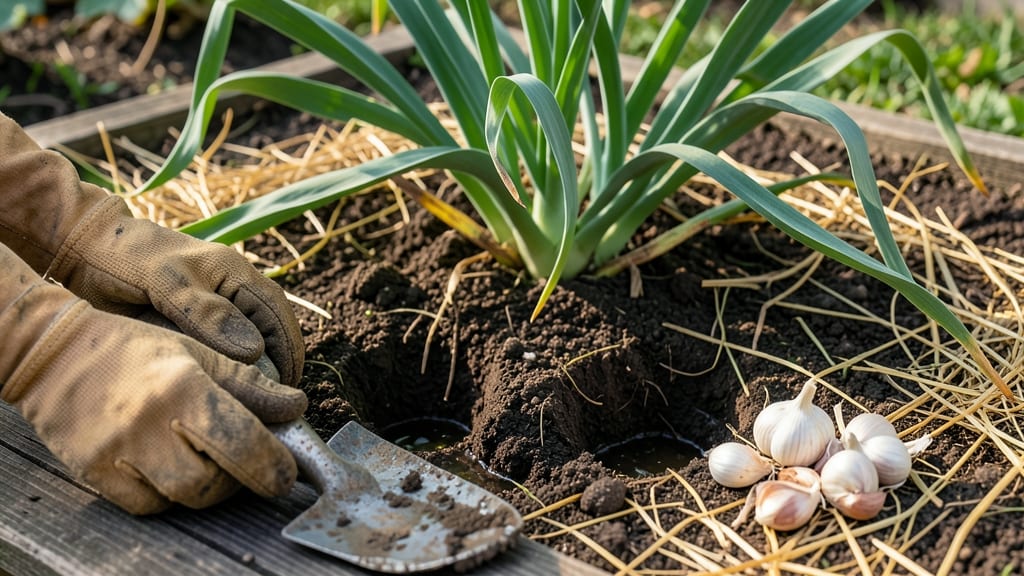
Timing your garlic planting in Wisconsin isn’t just about the calendar—it’s about matching your variety to Wisconsin’s chill-hour zones and unpredictable fall weather. One wrong move, and you’ll either get a crop that bolts too early or one that struggles to mature before summer heat sets in.
Most Wisconsin gardeners know the golden rule: plant 🧄 garlic between mid-October and mid-November, but the real secret lies in your specific USDA zone (4b-5b) and the chill-hour needs of your chosen variety.
Hardneck varieties, like German White or Chesnok Red, need 1,000–1,500+ hours of cold to form bulbs, while softnecks are more forgiving.
Here’s what you’ll discover: how to adjust planting dates based on soil temperature, frost forecasts, and even backup methods if fall weather throws a curveball. We’ll also cover the top Wisconsin-adapted varieties that thrive in your climate—so you can avoid common mistakes and maximize your harvest next summer.
Whether you’re a seasoned gardener or just starting, getting this right means the difference between a bountiful July harvest and a frustrating flop. Let’s break it down step by step.
Wisconsin garlic planting deadlines by variety (chill-hour breakdown)
Wisconsin’s garlic planting window is short but critical—aim for 4-6 weeks before the ground freezes, typically between early October and mid-November. This timing ensures garlic gets the 900–1,500+ chill hours it needs to form bulbs properly.
Northern Wisconsin (USDA zones 3-4) has stricter deadlines, while southern areas (zones 5-6) can plant slightly later.
Hardneck varieties, like ‘German White’ or ‘Chesnok Red’, thrive in Wisconsin’s climate because they require 900–1,200 chill hours. Softnecks, such as ‘Silverskin’, need 1,200–1,500+ hours and are riskier unless you’re in southern Wisconsin. Miss the window, and you’ll either get small bulbs or no harvest at all.
Here’s the breakdown by region and variety—use this as your planting calendar:
| Variety Type | Chill Hours Needed | Planting Window (Wisconsin) | Notes for Wisconsin Gardeners |
|---|---|---|---|
| Hardneck (e.g., ‘German White’) | 900–1,200 hours | Early October–Mid-November | Best for northern WI; produces hardneck bulbs with scapes. |
| Hardneck (e.g., ‘Chesnok Red’) | 1,000–1,300 hours | Mid-October–Early November | Cold-hardy; ideal for central/southern WI. |
| Softneck (e.g., ‘Silverskin’) | 1,200–1,500+ hours | Late September–Early October | Riskier in northern WI; needs longer chill. |
| Artichoke (e.g., ‘Music’) | 1,200–1,400 hours | Mid-October–Mid-November | Great for southern WI; stores well. |
| Creole (e.g., ‘Ajo Rojo’) | 900–1,100 hours | Early October–Late October | Mild flavor; best for early planting. |
For northern Wisconsin (e.g., Green Bay, Eau Claire), plant by October 15 to avoid early freezes. In southern Wisconsin (Madison, Milwaukee), you can stretch planting until November 15. Use a soil thermometer—garlic cloves need soil temps between 40–50°F to root properly.
Pro tip: If your soil is too wet or frozen, hold off until conditions improve. Planting in dry, workable soil prevents rot and ensures healthy roots. Mulch with straw or leaves after planting to insulate cloves through winter.
Spring planting is not recommended in Wisconsin unless you’re growing low-chill varieties (like ‘California Early’) for green garlic. Even then, yields will be 50% smaller than fall-planted garlic.
Track your local frost dates using the Wisconsin State Climatology Office or apps like Old Farmer’s Almanac. Adjust your planting date 2–3 weeks earlier if your area tends to freeze early.
Remember: Garlic planted in fall will grow roots first, then sit dormant through winter, and finally sprout in spring to form bulbs by summer. Patience is key—don’t rush the process!
How to adjust planting dates for Wisconsin’s unpredictable fall weather
Wisconsin’s fall weather is famously fickle—one week can bring early freezes, the next a warm spell that delays frost. If you plant garlic too soon, cloves may sprout prematurely and rot in soggy soil.
Plant too late, and your crop won’t get enough chill hours to form bulbs. The key? Flexibility.
Start by checking your soil temperature—garlic thrives when soil is between 40°F and 50°F. Use a soil thermometer (or dig down 4 inches) to confirm readiness. In northern Wisconsin (USDA Zone 4b), aim for early October planting; in southern Wisconsin (Zone 5b), you’ve got until mid-November.
🌡️ Pro Tip: If temperatures drop below freezing before planting, wait until soil thaws—even if it means pushing into December. Garlic can handle light frost, but frozen soil makes cloves hard to place properly.
If your garden stays waterlogged after planting, garlic cloves can rot. Amend heavy soil with compost or sand before planting, and avoid working wet ground. In clay-heavy areas, consider raised beds for better drainage.
For gardeners facing unseasonably warm falls, delay planting until late October or November.
If you’re worried about missing the window, start high-chill varieties (1,200+ hours) indoors in late summer (August) using a cool stratification method: plant cloves in pots, chill them in the fridge for 4–6 weeks, then transplant outdoors.
Mulching is your best friend in Wisconsin’s freeze-thaw cycles. After planting, cover beds with 4–6 inches of straw or leaves to insulate cloves. Remove mulch in early spring once shoots appear, but leave it in place during winter to protect roots from temperature swings.
Finally, keep an eye on frost forecasts. If a hard freeze (-10°F or lower) is predicted within 2 weeks of planting, delay until conditions stabilize. Remember: garlic grows best with consistent cold exposure, not abrupt temperature drops.
With these adjustments, you’ll beat Wisconsin’s weather—no matter how unpredictable it gets. Next summer, you’ll reap the rewards of a well-timed harvest! 🌱