
Plants
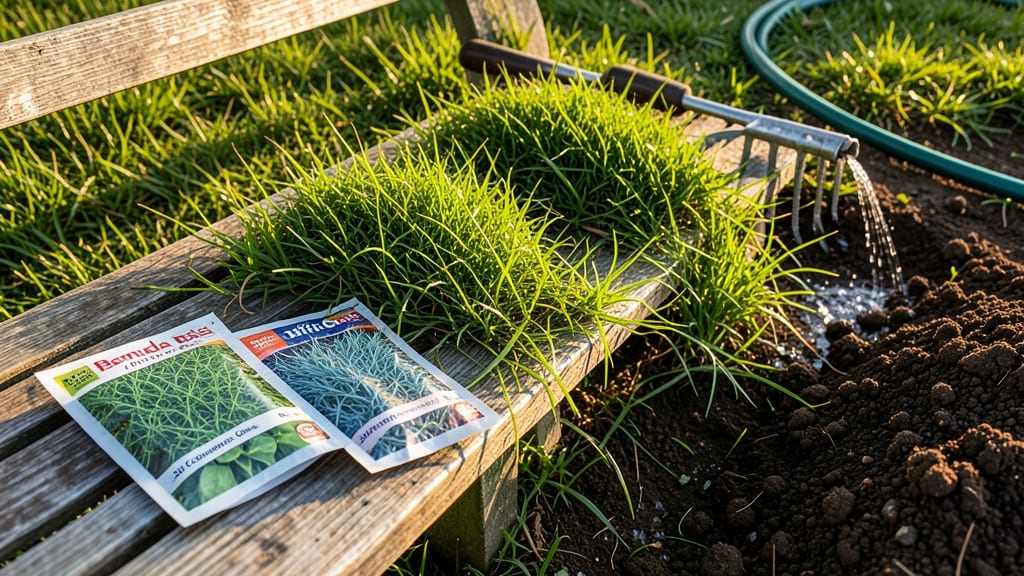
Planting grass seed in Texas at the wrong time can leave you staring at a patchy, struggling lawn—especially when scorching summers turn seed into dust. The best window for success isn’t just about months; it’s about soil temperatures, rainfall, and even whether you’re in North or South Texas.
For most Texas homeowners, late summer to early fall (August through October) is the golden period for cool-season grasses like Bermuda and Zoysia. But if you’re seeding warm-season varieties like St. Augustine, timing shifts to early spring (February-March) before the heat kicks in.
Why does this matter? Because planting too early or late means battling extreme heat, drought, or weeds—all of which can derail your lush, drought-resistant turf before it even starts. I’ll break down the exact windows, soil prep secrets, and care tips to ensure your grass takes root like a pro.
Whether you’re overseeding an existing lawn or starting fresh, getting the timing right is the difference between a thriving green carpet and a frustrating do-over. Let’s make sure your Texas lawn gets off to the right start.
Best times to plant grass seed in Texas: fall vs spring planting windows explained
If you've ever planted grass seed in Texas during the scorching summer months, you've probably watched in frustration as your seeds bake under the relentless sun instead of sprouting into lush turf.
The key to success isn't just choosing the right grass type—it's planting at the optimal window when conditions are perfect for germination. In Texas, that means focusing on two primary seasons: fall and spring.
Fall planting dominates for a reason: cooler temperatures, higher humidity, and consistent rainfall create ideal conditions for grass seeds to establish strong roots before winter. But spring planting can also work if timed correctly.
Let's break down why fall is superior and how to nail the spring planting window before Texas heat sets in.
🌱 Texas Grass Seed Planting Comparison
| Factor | Fall Planting (Aug-Oct) | Spring Planting (Feb-Mar) |
|---|---|---|
| Soil Temperature | 60-75°F (ideal for germination) | 55-65°F (cooler but still workable) |
| Rainfall | Consistent (hurricane season tail) | Variable (spring showers unreliable) |
| Weed Competition | Low (weeds dormant in cooler weather) | High (weeds germinate early spring) |
| Establishment Time | 6-8 weeks before winter | 4-6 weeks before summer heat |
| Best For | Cool-season grasses (Tifway, Bermuda) | Warm-season grasses (St. Augustine, Zoysia) |
| Critical Deadline | October 15 (North Texas) | March 31 (avoid April heat) |
For cool-season grasses like tall fescue and ryegrass, fall planting is non-negotiable. These varieties thrive in cooler weather and can establish deep roots before winter dormancy. Aim to plant between mid-August and mid-October, with September being the sweet spot when soil temperatures hover around 60-75°F and rainfall is reliable.
The fall planting window extends slightly later in South Texas (October) due to milder winters, but don't wait too long—grass needs time to establish before the first frost.
In North Texas, where winters can be harsher, September is your best month to ensure the grass has time to root before temperatures drop.
Spring planting is trickier but can work for warm-season grasses like Bermuda, Zoysia, and St. Augustine. The critical window is February through March, with March 31 as the absolute deadline before Texas heat becomes too intense.
Planting in April means battling 100°F soil temperatures and drought conditions that will stress your young seedlings.
If you're overseeding an existing lawn, fall is still your best bet—especially for cool-season grasses that need to compete with warm-season grasses already established. The overseeding window mirrors the fall planting schedule: August through October, with September being ideal for most of Texas.
One common mistake I see is planting too early in spring (January) or too late in fall (November). Both scenarios leave your grass vulnerable to extreme temperatures and weed competition.
For example, planting in January means your grass will struggle to establish before summer heat arrives, while November planting may not give it enough time to root before winter dormancy.
Pro tip: Use a soil thermometer to check temperatures before planting. Grass seeds need soil temps between 60-75°F to germinate properly. If your soil is too hot or too cold, wait a few days—patience now means a thicker, greener lawn later. ☀️
Texas grass seed planting timeline by region: North Texas vs central vs South Texas
Texas isn't one-size-fits-all when it comes to grass seed planting. The North Texas region (like Dallas-Fort Worth) has cooler winters, while South Texas (Houston, Corpus Christi) stays warmer longer.
Even Central Texas (Austin, San Antonio) has its own microclimate quirks. Understanding these differences helps you pick the perfect planting window for your specific location.
For North Texas, aim for September through October when soil temps drop to 60-75°F. This gives seedlings time to establish before winter. In Central Texas, stretch your window to August through early November—the Hill Country's drier climate means you'll need extra attention to watering.
Meanwhile, South Texas can plant as late as November thanks to milder winters.
Spring planting is trickier in Texas. North Texas can start as early as February, but avoid planting after April 15—summer heat will fry new seedlings. Central Texas should plant by March 15, and South Texas has until April 1 before heat becomes deadly.
Timing is everything to avoid seedling stress and fungal diseases.
| Region | Fall Planting Window | Spring Planting Window | Key Consideration |
|---|---|---|---|
| North Texas | September 15 - October 15 | February 1 - April 15 | Cooler winters, watch for early frosts |
| Central Texas | August 15 - November 1 | February 15 - March 15 | Drier climate, needs extra water |
| South Texas | September 1 - November 15 | February 1 - April 1 | Warmer winters, longer growing season |
Don't let microclimates fool you. A shady spot in South Texas might stay cooler longer, while a sunny hillside in Central Texas can heat up faster. Use a soil thermometer ($10 at garden centers) to check temps—ideal range is 60-75°F for germination.
If temps creep above 80°F, seedlings will struggle, even with perfect watering.
Pro tip: Overseeding in late fall (November) works in South Texas where winters are mild. But in North Texas, wait until March to avoid winter kill. Always test your soil's pH (6.0-7.0 ideal) and organic matter (2-4%)—Texas clay and sandy soils need different prep.
A simple home test kit reveals what amendments you need before planting.
Remember, fall planting gives grass a head start before summer heat arrives. But if you must plant in spring, do it early and keep seedlings well-watered—Texas summers will test their resilience. The right timing turns bare dirt into lush turf in just 4-6 weeks.